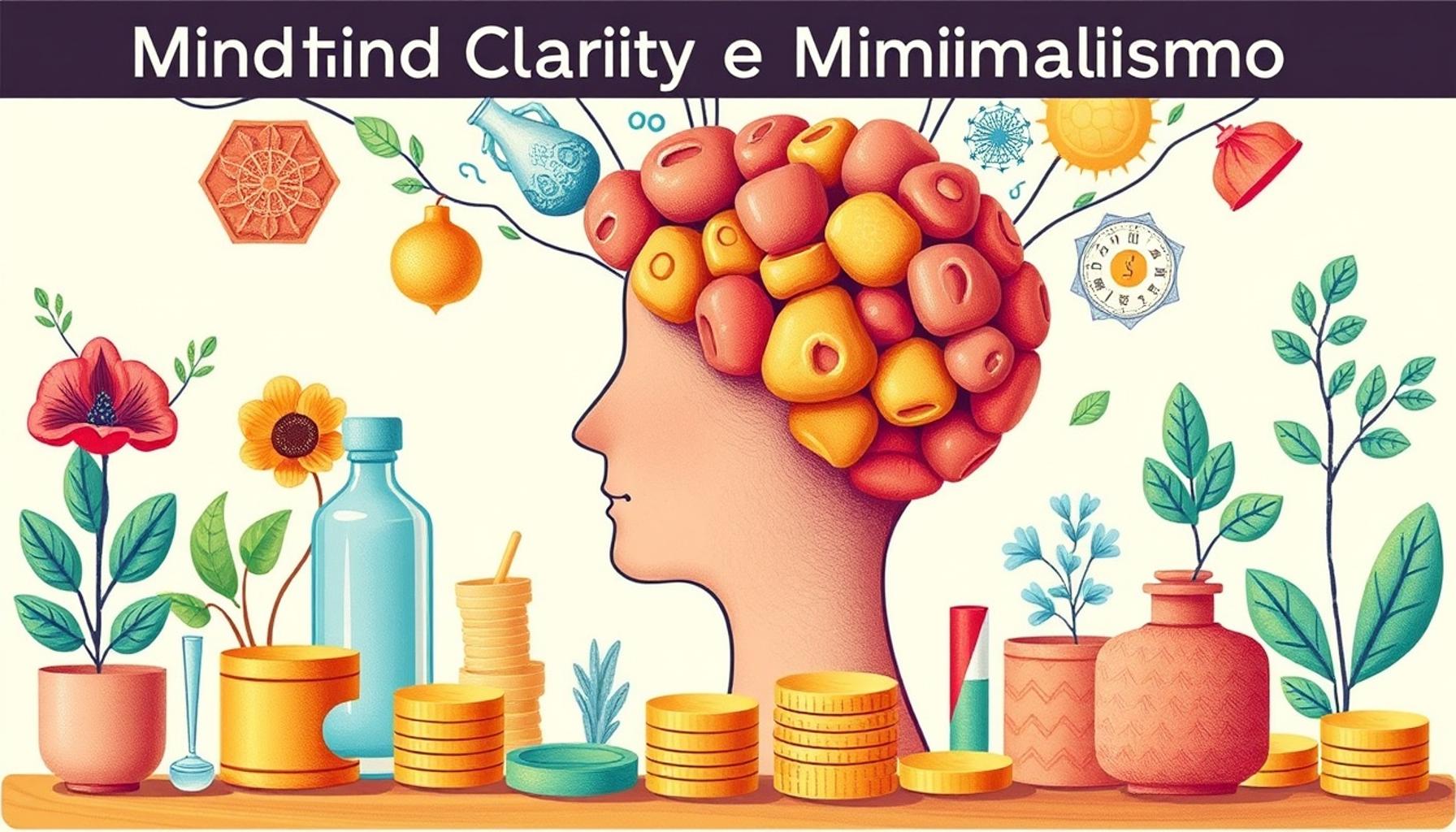
Minimalism and the Practice of Journaling: How Simple Writing Can Enhance Mental Clarity and Self-Understanding

The Benefits of Journaling in a Chaotic World
In a society overloaded with information and distractions, the intersection of minimalism and journaling provides a necessary refuge. By regularly writing down our thoughts, feelings, and daily experiences, we can gain extraordinary insights that lead to improved mental clarity and a deeper understanding of ourselves. But what makes this practice so compelling and effective for so many individuals across the United States?
Focus on the Essential
Minimalism is about eliminating the excess and directing attention toward what genuinely matters. This principle is especially relevant in journaling, where individuals can prioritize their thoughts in an uncluttered format, which naturally leads to more meaningful reflections. By concentrating on core experiences and emotions, journaling becomes a tool not merely for documentation but for realignment with personal values and priorities.
Enhanced Self-Reflection
Journaling acts as a potent mirror, facilitating honest self-exploration and growth. This practice allows people to confront their feelings, analyze their reactions, and understand recurring patterns in their behaviors. For instance, someone might discover through their writing that they frequently struggle with setting boundaries, enabling them to address and improve this aspect of their lives.
Increased Mental Clarity
Clarity is crucial for effective decision-making. The act of writing enables individuals to sort through their thoughts, effectively decluttering their minds. This practice can especially be beneficial during stressful moments or major life changes, as it allows individuals to process complicated emotions and situations. By verbalizing their thoughts, many people report feeling more focused and ready to tackle challenges head-on.
Exploring the Potential Benefits
Numerous individuals who engage in journaling have noted improvements in their mental health and personal development. Some of the key benefits include:
- Reduce Anxiety: Writing about worries and feelings can significantly alleviate stress, providing an emotional release and a newfound perspective on problems.
- Set Goals: Documenting aspirations fosters accountability. When individuals write down their goals, they are more likely to commit to taking steps toward achieving them.
- Track Progress: Journals serve as personal archives. By reviewing past entries, one can observe growth, reflective learning, and accomplishments over time.
As the popularity of journaling continues to rise across the country, many are beginning to recognize its powerful effects. By applying a minimalist lens to personal experiences, individuals can transform their journals into vehicles for clarity, understanding, and lasting change. The question remains: are you ready to embark on a journey of self-discovery through the simple yet profound act of writing?
The Power of a Minimalist Approach to Journaling
The beauty of journaling lies in its capacity to be both straightforward and profound. By adopting a minimalist approach, individuals can streamline their writing practice to focus on essence rather than embellishment. This leads to a more authentic expression of thoughts and emotions, encouraging deeper self-discovery. But how does this minimalism translate into tangible benefits in our daily lives?
Establishing a Routine
A minimalist journaling practice often begins with establishing a simple routine. Dedicating even ten minutes a day to writing can create a powerful habit, yielding insights into personal thoughts and feelings. This consistency fosters a safe environment for reflection, as individuals commit themselves to understanding their inner landscapes. Over time, as they dedicate space for their thoughts, they often experience an untangling of cluttered ideas, leading to a clearer perspective on their lives.
To establish this routine, one might consider journaling at a specific time each day—perhaps in the morning with a cup of coffee or in the evening as a way to unwind. Setting up a cozy corner, free from distractions, can enhance this practice. Whether individuals prefer writing on paper or typing on a digital device, the key lies in making it a stress-free activity that becomes a cherished part of their daily life.
Identifying Core Values
Through intentional use of minimalist journaling, individuals can more easily identify their core values. By asking themselves targeted questions and maintaining a sharp focus on their emotional responses, they can uncover what truly matters to them. For instance, a journal prompt may encourage an individual to list three things that brought them joy in the past week. This simple exercise can lead to profound realizations about valued hobbies, cherished relationships, or long-held aspirations that they may have previously overlooked.
Additionally, by reflecting on negative experiences—whether a difficult conversation or a stressful day—individuals can also identify their boundaries and what they wish to prioritize in their lives. These realizations not only enhance self-awareness but can also guide future decisions, fostering a more authentic life aligned with personal values.
Benefits Beyond Words
The impacts of this practice extend beyond the act of writing itself. Here are some noteworthy benefits of minimalism in journaling:
- Clearer Thought Process: By limiting distractions and focusing on fewer words, individuals can eliminate overwhelm and articulate their thoughts more clearly. This streamlined approach can be especially beneficial in professional settings, where clarity in communication is paramount.
- Emotional Processing: A minimalist journal can serve as a therapeutic outlet. Instead of feeling bogged down by complex feelings, summarizing emotional experiences in a few sentences allows for easier processing, making journaling a form of emotional detox.
- Empowerment through Simplicity: Embracing minimalism can empower individuals to strip away the unnecessary clutter from their lives. When applied to journaling, this principle instills a sense of control over one’s narrative, making it easier to focus on what truly matters.
As individuals adopt this approach, they often find that their journaling becomes a transformative experience. The simplicity of the practice not only encourages authenticity but also results in meaningful insights that can significantly enhance mental clarity and self-understanding. In a time when the world seems overwhelmingly complex, the act of writing simply can provide the anchor many people desperately need to navigate their emotional landscapes.
Ultimately, a minimalist journaling practice offers a pathway to explore one’s inner self without the chaos of overwhelming detail. By focusing on clarity and simplicity, individuals can cultivate a richer understanding of themselves, reduce anxiety, and foster a sense of calm in their increasingly busy lives.
| Advantages | Impacts |
|---|---|
| Clarity of Thoughts | Writing simplifies complex emotions, providing insight. |
| Self-Reflection | Encourages deeper understanding of personal experiences. |
| Stress Reduction | Penning thoughts can ease anxiety and promote mental health. |
| Goal Setting | Helps outline aspirations and track progress over time. |
The practice of minimalism in journaling connects deeply with enhancing mental clarity. By focusing on simple writing, individuals can transform their mental landscapes, making complex emotions more digestible and manageable. This clarity allows for greater self-reflection, encouraging readers to delve into personal experiences and gain profound insights about their passions and fears. Furthermore, writing can be cathartic and serves as a practical tool for stress reduction. The act of putting pen to paper can significantly diminish feelings of anxiety, providing an emotional release and creating a healthier mental environment. Engaging with writing also aids in goal setting, whether personal, professional, or emotional. It enables individuals to articulate their aspirations, track progress towards them, and adjust their paths as needed. Each of these advantages highlights the transformative power of minimalistic journaling, inviting readers to explore further the enriching journey it offers.
Unlocking Creativity Through Simplification
The minimalist approach to journaling does more than enhance self-reflection; it also opens up avenues for creative expression. By removing excess and focusing solely on core ideas, writers often find that the constraints allow for greater innovation and artistic flow. This can lead to unexpected bursts of creativity, revealing profound thoughts that lay beneath the surface.
Igniting the Creative Spark
When individuals minimize their writing tasks, they create space for spontaneity and imagination. For example, instead of attempting to capture an exhaustive account of daily events, a minimalist journal prompts users to jot down a single sentence that encapsulates an experience or feeling. This exercise not only sparks creativity but also encourages individuals to think critically about their experiences and emotions.
Research indicates that this simplicity in practice allows individuals to tap into greater cognitive flexibility. A study published in the “Journal of Experimental Psychology” suggests that constraints can actually enhance creative problem-solving. In the context of journaling, embracing minimalism may lead to unique insights and solutions to personal challenges, as individuals learn to view situations from different perspectives.
Reflection Through Storytelling
One of the remarkable aspects of minimalist journaling is its potential to transform life’s narratives into succinct stories. By focusing on the essence of an experience, individuals can distill their emotions and events into a clear, poignant narrative. This can be achieved through the practice of freewriting, where one writes continuously for a specified time without focusing on grammar or style. Such exercises encourage an authentic flow of thoughts, leading to stories that resonate on a deeper emotional level.
Engaging in storytelling not only fosters creativity but also helps in processing complex emotions. This can be particularly helpful for individuals navigating challenging life events—be it the loss of a loved one, a job change, or relationship struggles. Crafting these experiences into concise narratives allows one to gain clarity, paving the way for emotional healing.
Minimalism and Mindfulness Connection
Another significant benefit of adopting a minimalist approach to journaling is its connection to mindfulness. As individuals focus on the present moment, they engage with their thoughts and feelings without judgment. This level of awareness is essential for improving mental clarity. Simple, mindful writing sessions promote introspection and contemplation, reducing the noise of external distractions.
Practitioners can enhance this mindfulness by incorporating breathing exercises before journaling. Taking a few moments to observe their breath can center individuals and foster a state of calm, preparing them for writing. Research has shown that mindfulness not only reduces stress but also enhances cognitive functioning, ultimately leading to better decision-making.
Guided Minimalism: Prompts for Clarity
To deepen the minimalist journaling experience, individuals often benefit from guided prompts designed to enhance self-understanding. Here are some engaging examples:
- What am I grateful for today? – This prompt can help sharpen one’s focus on positive events, fostering a mindset of appreciation.
- What do I need to let go of? – Writing about what no longer serves a purpose can clarify decisions and emotional burdens.
- How did I feel during a specific moment yesterday? – Reflecting on real-time emotions can deepen self-awareness and improve emotional intelligence.
Such prompts do not require elaborate answers; even a few words can produce significant insights. By utilizing guided minimalism, individuals might discover latent thoughts and motivations that were previously obscured by busyness and chaos.
Embracing minimalism in journaling leads to a holistic approach to self-exploration. By simplifying the way we express ourselves on paper, we create opportunities for richer creativity, deeper storytelling, enhanced mindfulness, and a profound understanding of ourselves. The journey through simplified writing serves not only as a path to clarity but also as a means of emotional and cognitive empowerment in an ever-complicated world.
Conclusion: Embracing Minimalism for a Deeper Connection
In an age characterized by information overload and constant distraction, the necessity for mental clarity and self-understanding has never been more pressing. Minimalist journaling emerges as a powerful tool, enabling individuals to distill their thoughts and emotions into meaningful, concise narratives. By focusing on simplicity, this practice allows for a richer exploration of the self, revealing insights that might otherwise remain hidden beneath layers of complexity.
The connection between minimalism and mindfulness further enhances the journaling experience. As practitioners engage in intentional writing, they cultivate a heightened awareness of their thoughts and feelings, forging a deeper understanding of their emotional landscape. With prompts that encourage reflection and gratitude, individuals can shift their perspectives, ultimately clarifying their values and desires.
A minimalist approach to journaling not only stimulates creativity but also fosters resilience, bridging the gap between expressing complex emotions and achieving emotional wellness. As readers embrace this practice, they take significant steps toward simplifying their lives and enhancing their mental clarity. Moreover, by relying on concise storytelling and guided methodologies, they open up pathways to innovative solutions for personal challenges.
Ultimately, adopting minimalism in journaling is more than just a writing technique; it is a transformative journey toward self-discovery and empowerment. By prioritizing what truly matters on the page, individuals can unlock profound self-awareness and foster a greater appreciation for the simplicity found within their lives. Those ready to embark on this journey might find that the clarity achieved through minimalist journaling not only enriches their writing but also enhances their daily experiences.

Beatriz
Beatriz Johnson is a seasoned minimalist and writer with a passion for simplifying the complexities of personal organization and intentional living. With over a decade of experience in decluttering strategies and mindful consumption, she specializes in topics like space optimization, habit simplification, and sustainable lifestyle choices. Through her work on our website, Beatriz empowers readers to embrace minimalism, reduce mental and physical clutter, and create more meaningful, organized lives in today's fast-paced world.