
Minimalism and the Practice of Meditation: How Spatial Simplicity Can Enhance Mental Clarity
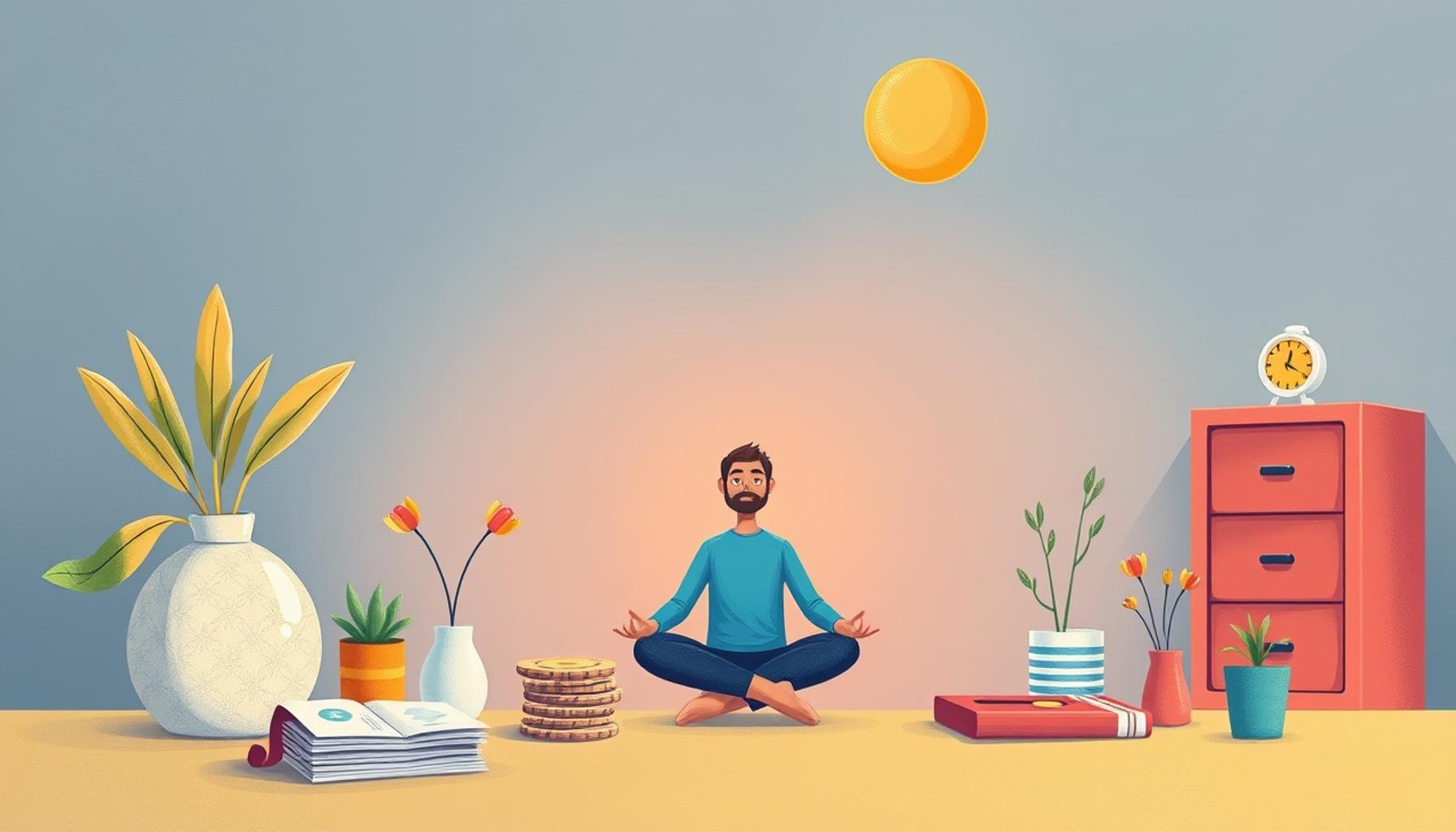
The Power of Minimalism and Meditation for Mental Clarity
In today’s fast-paced society, where the bombardment of information is constant, the quest for mental clarity often feels elusive. Enter the transformative practices of minimalism and meditation, both of which are gaining popularity as effective strategies for improving mental well-being. Essentially, these practices emphasize spatial simplicity and a deliberate approach to living, enabling individuals to access clearer thoughts and sharpened focus.
Imagine walking into a room stripped of unnecessary clutter. In such an environment, your mind has the freedom to breathe. This brings us to the first point:
- Declutter Your Environment: A clean, organized space is not just aesthetically pleasing; it actively reduces visual noise that can be overwhelming. Research has shown that disorganization can lead to increased levels of stress and anxiety. By simplifying your surroundings, you create a sanctuary for peace and contemplation.
- Limit Distractions: The fewer belongings you have, the fewer distractions are vying for your attention. This is particularly important in a world where our smartphones and devices constantly ping for our focus. By adopting minimalism, you cultivate an atmosphere conducive to mindfulness and introspection.
- Enhance Focus: When your physical space embodies simplicity, your mind can more easily concentrate on the present moment. Less clutter translates to less cognitive load, paving the way for enhanced productivity and improved cognitive function.
But how does meditation fit into this minimalistic framework? Incorporating meditation within a minimalist context significantly amplifies its effects:
- Encourage Deep Reflection: Meditating in a tranquil, clutter-free environment fosters an atmosphere conducive to profound introspection and self-awareness. This clarity can lead to valuable insights regarding personal thoughts and behaviors.
- Facilitate Mindfulness: A simplified space makes it easier to stay present and engaged during meditation sessions. This is crucial for developing mindfulness, which can extend beyond your meditation practice and into everyday life.
- Reduce Stress: Peaceful surroundings not only foster a meditative state but can also actively reduce anxiety levels. A growing body of research indicates that environments designed for calmness can significantly enhance meditation experiences and general mental health.
The synergistic relationship between minimalism and meditation can be a game-changer in unlocking new levels of mental clarity. As you delve into these practices, you may discover how harmoniously they enhance each other, transforming not just your mind but also your entire environment. Take the first step today, and explore this lifestyle shift—you may just find that mental clarity is closer than you think.
Simplifying Spaces for Enhanced Mindfulness
The conjunction of minimalism and meditation invites a profound exploration of how our physical surroundings influence our mental state. By stripping away the extraneous, we not only enhance our environments but also create fertile ground for mindfulness. When your space is free of distractions, your mind is afforded the same luxury. Think about it: in a space that is uncluttered and serene, each breath feels more intentional, and each thought can form without the distractions of a chaotic setting.
Let’s examine some critical intersections between minimalism and meditation that reveal how spatial simplicity can lead to enhanced mental clarity:
- Environmental Impact on Mood: Numerous studies underline the connection between our surroundings and emotional health. For example, a study by the University of California, Berkeley found that people who lived in cluttered environments reported higher levels of distress and anxiety. By embracing minimalism, you can actively choose to create an environment that uplifts your mood and equips you for better meditation.
- Cognitive Load Theory: Cognitive load refers to the amount of mental effort being used in the working memory. According to psychologists, environments filled with clutter can increase cognitive load, making it harder to process information and engage in deep thinking. A minimalist space minimizes distractions, allowing for a focused meditation practice that reduces cognitive load and enhances clarity.
- Intentional Living: Minimalism encourages intentionality in your daily life. Every item and space serves a purpose, which resonates deeply with the goals of meditation—awareness and presence. Having fewer physical possessions can motivate you to focus on the significant aspects of life and relationships, leading to a more mindful existence.
Incorporating meditation into a minimalist lifestyle acts as a catalyst for introspection. With fewer distractions, you are better equipped to observe your thoughts and feelings without judgment. Engaging in meditation in a clutter-free environment facilitates a more profound understanding of oneself, paving the way for emotional regulation and clarity.
Furthermore, whilst practicing meditation, it is vital to cultivate an atmosphere that supports tranquility. Consider implementing rituals that enhance your minimalist approach, such as:
- Creating a Dedicated Meditation Space: A specific area in your home designated for meditation—free of clutter and distractions—can create a mental association with relaxation and focus.
- Use of Natural Elements: Incorporating natural elements like plants or soft lighting can enhance your meditation experience, making the space inviting yet simple.
- Regularly Refreshing Your Environment: Using the principles of minimalism, routinely assess your space and remove items that no longer serve you. This practice not only refreshes your physical environment but also cultivates a sense of renewal in your mind.
The systemic application of minimalism through spatial simplicity offers a significant advantage for those who seek mental clarity. By consciously choosing to declutter both mind and space, we open the door to a wealth of insight, self-awareness, and ultimately, peace. As you consider your own living spaces, think of how adopting minimalism may reshape your meditation practice and contribute to a clearer, more focused mind.
Exploring the Connection Between Minimalism and Mental Clarity
An increasingly busy and cluttered world often obscures our ability to focus and think clearly. Here, minimalism emerges not just as an aesthetic choice but as a lifestyle that can profoundly impact your well-being. By embracing spatial simplicity, individuals can create environments that foster tranquility and reflect calmness—important prerequisites for effective meditation. Creating a minimalistic space involves eliminating distractions, which is vital when the aim is to achieve a deeper level of mindfulness during meditation. Research indicates that clean and organized spaces can lead to improved concentration and reduced stress levels. The simplicity of your surroundings directly influences your mental state, allowing for greater mental clarity and focus. Moreover, minimalism encourages intentionality in both objects and practices. By surrounding yourself only with things that promote positivity and purpose, you cultivate an environment conducive to meditation practice. This purposeful curation of space can elevate your meditation experience, as it invites calming energies into your practice. When you step into a minimalistic area, your mind becomes less cluttered, making it easier to enter a meditative state. The reduction of sensory overload leads to more profound insights and personal growth. Thus, the synergy between minimalism and mindfulness creates a pathway to not only enhance your practice but also improve one’s overall quality of life.Further research into the psychological benefits of minimalism reveals that it is not merely about aesthetics; it promotes a culture of less is more, instilling a sense of peace that can be harnessed during meditation sessions. In a world torn by complexity and chaos, pursuing a minimalistic lifestyle can serve as a potent antidote, enhancing your journey towards mental clarity.
| Advantages of Minimalism | Impact on Mental Clarity |
|---|---|
| Reduced Distractions | Clearer thought processes and focused meditation. |
| Enhanced Focus | Inner peace leading to more productive meditation sessions. |
The journey towards embracing minimalism and its intersection with meditation yields numerous benefits, paving the way for profound transformations in how we think and exist within our spaces. Through continual exploration and application, one may discover a deeper connection with both their surroundings and mind.
The Benefits of Mindful Decluttering
Embracing a minimalist mindset not only influences the physical aspects of your environment but also extends into your mental clarity and emotional well-being through the practice of mindful decluttering. This proactive approach to simplifying your space can serve as a meditative practice in itself, allowing for deeper self-reflection and a more profound engagement during meditation sessions.
Mindful decluttering brings forth a unique opportunity to examine what truly matters. As you begin to sift through possessions, you tap into the essentials—this process compels you to ask questions about your belongings: Do I need this? Does this bring me joy? Is this contributing to my current life goals? Addressing these questions catalyzes a thoughtful and intentional process, reducing the likelihood of emotional attachment to unnecessary items. This focus on the essentials echoes the clarity sought in meditation, fostering an atmosphere of vitality and purpose in both your physical surroundings and inner state.
Furthermore, the integration of minimalism in daily practices can significantly enhance the effectiveness of your meditation. By reducing the distractions in your physical space, you are better positioned to engage with your own thoughts and aspirations. Each meditation session becomes an invitation to navigate the depths of your consciousness without the noise of sensory overload. This translates to improved organization of mental processes, allowing for more profound insights and growth.
The combination of meditation and mindful decluttering has practical implications backed by research. A study published in the journal Environmental Psychology highlighted that environments marked by simplicity positively affect an individual’s attention span and ability to retain information. A minimalist physical space supports a tranquil mind, which is crucial for effective meditation. As distractions diminish, you foster an environment conducive to inner peace and clarity.
- Enhanced Creativity: An uncluttered environment has been shown to unleash creativity. With fewer distractions, your mind is freed to explore ideas and seek innovative solutions, which can be vital for both personal growth and problem-solving during meditation.
- Improved Focus: The very act of decluttering sharpens your focus, which can be translated into your meditation practice. Research suggests that people who practice minimalism often report heightened concentrations and abilities to engage more deeply with their thoughts.
- Reduction in Anxiety: A study from Drexel University reveals a strong correlation between clutter in living spaces and the experience of anxiety—less clutter means less anxiety, leading to a more serene atmosphere ideal for meditation.
Another critical aspect of minimalism is the use of minimalist meditation techniques. These techniques emphasize simplicity, with practices such as breath-focused meditation or guided meditations set in natural environments to align with minimalism’s core principles. Engaging in these practices deepens your meditation experience while reinforcing a tranquil, simple lifestyle.
As you explore the relationship between minimalism and meditation, consider how spatial clarity might enrich your journey toward enhanced mental clarity. Engaging with both practices can pave the way for a more deliberate and mindful existence, leading to lasting peace and an elevated state of awareness. The encouragement to remove distractions allows space for clarity, fostering a connection to the self that encourages growth and understanding—vital components of a fulfilling life.
Final Thoughts on Minimalism and Meditation
In our fast-paced world, the intersection of minimalism and meditation offers a sanctuary of mental clarity and emotional grounding. By adopting a minimalist approach, we intentionally streamline our physical spaces, prompting a ripple effect that enhances our mental and emotional well-being. The practice of mindful decluttering not only promotes spatial simplicity but also serves as a catalyst for profound self-reflection and serenity during meditation.
As outlined, the benefits of a minimalist lifestyle extend beyond aesthetic appeal. Creating an environment devoid of unnecessary distractions facilitates deep concentration, allowing for a more enriching meditation experience. Research indicates that as our surroundings become organized and clutter-free, our attention span improves and anxiety levels decrease, making space for heightened creativity and focused thought.
Engaging in minimalist meditation techniques further amplifies these benefits. Through breath-centered practices or nature-inspired guided meditations, we align our inner selves with minimalism’s ethos of simplicity and tranquility. This harmonious relationship cultivates a sense of inner peace essential for personal development and self-awareness.
Ultimately, the synthesis of minimalism and meditation invites us to lead a more deliberate life. By embracing spatial simplicity, we not only clear our physical spaces but also pave the way for greater mental clarity. This journey fosters connection to the self, encouraging an enriched understanding of our goals and desires. As you venture into this harmonious existence, consider the transformative potential waiting at the intersection of minimalism and meditation—a fusion that promises to elevate your overall quality of life.

Beatriz
Beatriz Johnson is a seasoned minimalist and writer with a passion for simplifying the complexities of personal organization and intentional living. With over a decade of experience in decluttering strategies and mindful consumption, she specializes in topics like space optimization, habit simplification, and sustainable lifestyle choices. Through her work on our website, Beatriz empowers readers to embrace minimalism, reduce mental and physical clutter, and create more meaningful, organized lives in today's fast-paced world.