
The Role of Decluttering in Stress Reduction: Creating a Mental Refuge at Home
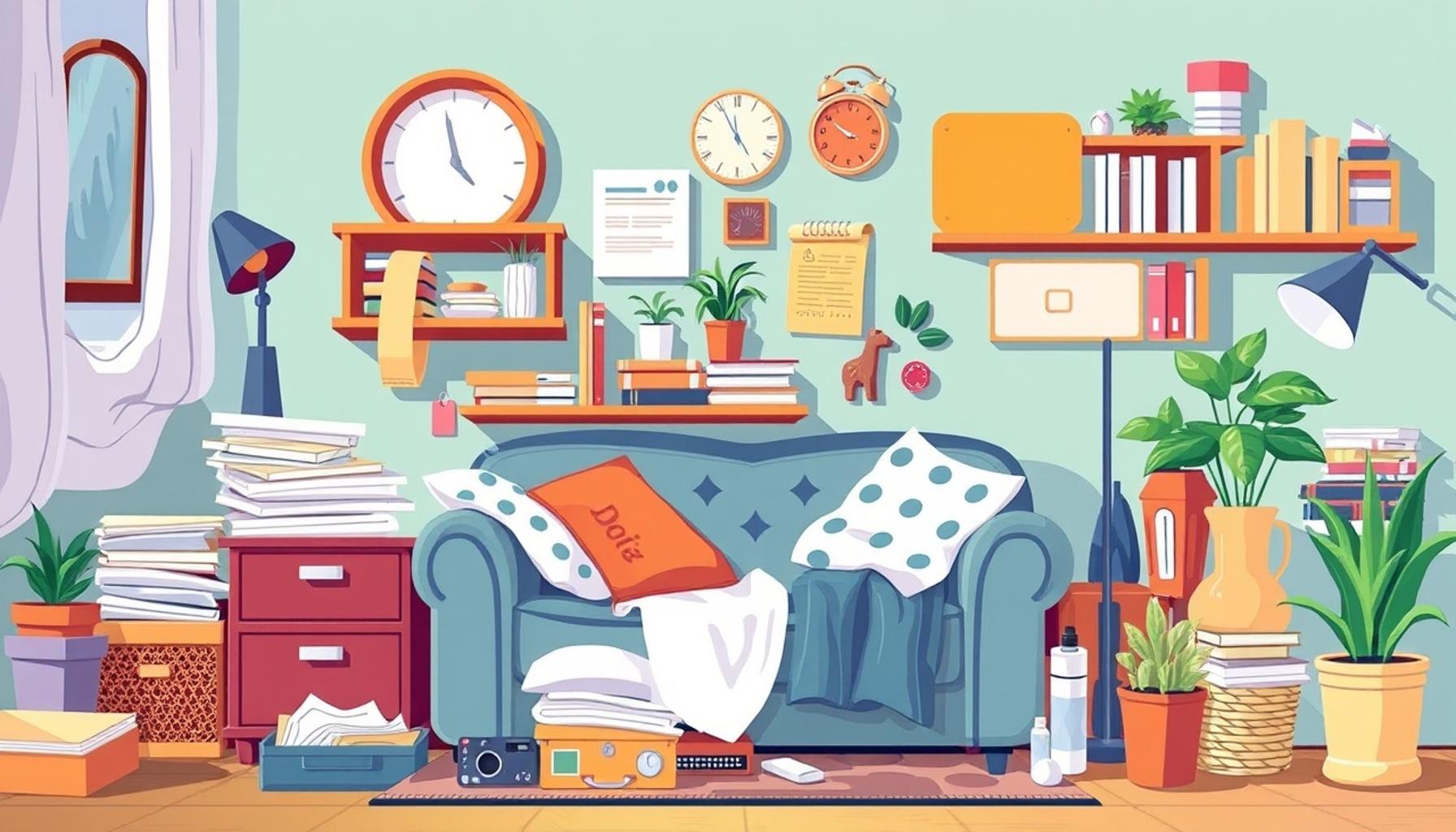
Finding Peace Through Decluttering
In today’s fast-paced world, stress is a common companion for many. One emerging solution to combat this issue is decluttering, a process that not only brings order to physical spaces but also fosters mental clarity. Understanding the profound relationship between our environment and mental health can be a game-changer in how we approach our living spaces.
Research highlights a strong connection between our surroundings and our well-being. Consider these key aspects:
- Visual Clarity: A tidy environment can significantly reduce feelings of overwhelm. A study published in the journal Environment and Behavior found that cluttered homes lead to increased stress levels and decreased overall productivity. By simplifying our surroundings, we can bring a sense of calm and focus into our daily lives.
- Emotional Relief: Letting go of unused items can diminish anxiety associated with clutter. Psychologists suggest that keeping items that no longer serve us can lead to an emotional burden, similar to carrying physical weight. The act of decluttering can feel liberating, akin to shedding a heavy coat.
- Increased Productivity: A clear space promotes focus and creativity. In a research study conducted by the Princeton University Neuroscience Institute, scientists found that clutter can significantly affect our ability to concentrate and process information. Thus, a decluttered workspace could open up channels for creativity to flow freely.
Home is our sanctuary. When it transforms into a chaotic space, it can become a source of stress rather than comfort. Decluttering allows individuals to reclaim their home as a mental refuge, offering a serene atmosphere conducive to relaxation and mindfulness. For example, the practice of minimalism, which involves only keeping items that “spark joy,” as famously coined by Marie Kondo, highlights how intentionality in our possessions can influence our daily happiness.
Moreover, decluttering is not merely about throwing items away; it can also involve donating to local charities or recycling, which provides a sense of community contribution. Many thrift stores in the United States, like Goodwill and Salvation Army, accept donations and even promote initiatives encouraging individuals to declutter for a cause. This dual impact not only purges unnecessary items but also enhances one’s sense of purpose.
As we delve deeper into this topic, you will discover practical tips and impactful strategies for implementing decluttering in your home. Techniques such as the “one in, one out” rule can help maintain a balanced environment. This method encourages individuals to remove an item for every new item they bring into their home, fostering a sustainable approach to managing possessions.
Embrace a journey towards creating a harmonious living space and experience the profound effects on your mental health. The benefits of decluttering extend beyond just physical organization; they include enhanced emotional well-being, improved focus, and a more positive outlook on life. So, gather your belongings, and let the decluttering process lead you to a space where peace reigns supreme.
The Psychological Benefits of a Decluttered Home
Decluttering is more than just a physical act; it is a profound exercise in mental wellness that can dramatically reshape how we experience our living spaces. When our surroundings are laden with clutter, our minds can become equally disordered, leading to feelings of stress and anxiety. By contrast, when we create an environment that is organized and serene, we encourage a sense of peace that can ripple through all aspects of our lives.
Understanding the specific psychological benefits of decluttering can illuminate how meaningful this practice can be. Here are some key components to consider:
- Enhanced Mindfulness: Engaging in the decluttering process requires focused attention and intention. This mindfulness can help ground individuals in the present moment, offering a reprieve from anxiety about the past or future. By being present as we sort through our belongings, we reclaim our agency over the space we inhabit.
- Improved Emotional Health: Clutter can be a constant reminder of unfinished tasks, past decisions, and unachieved aspirations. By eliminating unnecessary items, individuals often report a sense of relief and emotional liberation. This shift can contribute to greater self-esteem and a more positive outlook, allowing individuals to focus on what truly adds value to their lives.
- Creating a Safe Space: A tidy and organized home acts as a sanctuary that provides comfort and security. Many find solace within walls free from chaos, which can foster creativity and relaxation. This atmosphere can be especially vital for remote workers or students, where an organized workspace can enhance focus and productivity.
Amid the hustle of daily life, our homes should reflect a sense of safety and tranquility rather than chaos and disorder. The act of decluttering is a journey towards transforming our emotional state. As we delve into the contents of our homes, we often encounter emotional attachments to items that may no longer serve a purpose. Deciding to let go can be challenging but also immensely rewarding. Studies show that the ability to make decisions about belongings can translate into empowerment in other aspects of life, reinforcing a sense of control and agency.
Many Americans are adopting mindfulness practices rooted in decluttering. Minimalism, a movement that flourished in recent years, emphasizes living with intention and simplicity. Influencers and lifestyle gurus often share inspiring success stories about how paring down possessions has changed not just their homes but their relationships and mental health.
As the impact of decluttering on mental well-being becomes more evident, it’s essential to explore practical methods to initiate this transformation. Options range from straightforward techniques like the “KonMari Method,” which encourages keeping only those items that “spark joy,” to digital decluttering, which can relieve stress caused by a cluttered virtual environment. Such comprehensive approaches can ultimately pave the way for creating a mental refuge within your home.
As we progress further into this topic, we will uncover actionable strategies for integrating decluttering into your daily routine, delving into how each method can lead to a more tranquil living space and a healthier mindset.
| Advantages | Impact on Stress |
|---|---|
| Enhanced Focus | Eliminating clutter allows the mind to concentrate more effectively on tasks without distractions. |
| Improved Mood | A tidy environment can significantly uplift mood and foster a sense of tranquility. |
| Increased Productivity | Organized spaces promote efficiency, allowing individuals to achieve more in less time. |
| Reduced Anxiety | A clutter-free environment contributes to lower anxiety levels, fostering a peaceful mind. |
Decluttering not only transforms physical spaces but also significantly impacts psychological well-being. When clutter accumulates, it can create visual distractions, leading to mental overload. Conversely, creating organized spaces helps establish clarity in thoughts and intentions, enabling individuals to enhance their daily productivity. This is critical as productivity is closely linked to decreased stress levels.Moreover, studies show that a clean environment promotes a positive mood, making it easier to cope with daily challenges. This emotional uplift can serve as a potent stress reduction tool, allowing individuals to experience life with greater enthusiasm and resilience. Additionally, the sense of accomplishment gained from decluttering can itself become a motivating factor for other lifestyle changes aimed at further reducing stress.Furthermore, creating a sanctuary at home where peace is prioritized can be immensely beneficial. Each step taken towards maintaining an organized environment can contribute to a profound sense of control over one’s surroundings, leading to less chaotic mental states.
Practical Strategies for Decluttering and Stress Reduction
While the psychological benefits of a decluttered home are clear, the practical execution of decluttering can seem overwhelming. However, with the right strategies in place, anyone can transform their living space into a sanctuary of calm. Understanding that decluttering is a process and not a single event is vital to this journey. Here are some effective methods to incorporate decluttering into your life:
- The “One In, One Out” Rule: This principle helps manage clutter on a continuous basis. For every new item brought into your home, consider removing an existing one. This method encourages mindful consumption and prevents accumulation, allowing your space to remain manageable and serene.
- Establish Decluttering Zones: Rather than tackling the entire home at once, identify specific areas to declutter—such as a particular room or even a corner of a room. By breaking the task into smaller segments, you can experience quick wins that motivate you to continue.
- Time-Bound Sessions: Set a timer for 15 to 30 minutes and concentrate solely on decluttering during that time. Short, focused sessions can be less intimidating than marathon organizing days, making it easier to integrate the practice into a busy routine.
- Utilize the Four-Box Method: Use four boxes labeled “Keep,” “Donate,” “Sell,” and “Trash.” As you go through your belongings, assign each item to a box. This tactic not only helps clear clutter but also creates a structured decision-making process, making it easier to part with items that no longer serve you.
- Digitize Documents: In today’s digital age, many paper items can be scanned and stored electronically. This not only reduces physical clutter but also simplifies accessing important documents, leading to less stress when searching for important papers.
Implementing these strategies can lead to a significant reduction in stress and an increase in overall well-being. According to a 2021 study by the Journal of Environmental Psychology, individuals who engaged in regular decluttering experienced a notable decrease in daily anxiety levels when compared to those who lived within cluttered environments. The changing landscape of our homes not only has a physical impact but also catalyzes an emotional and psychological shift.
Additionally, the rising trend of minimalism showcases how decluttering extends beyond mere organization—it can reshape lifestyles. People all over the United States are sharing their success stories through social media, revealing how adopting a minimalist approach has shifted their perspectives on happiness and fulfillment. For instance, a minimalist lifestyle often prioritizes experiences over possessions, leading to profound shifts in how individuals prioritize time and resources.
Furthermore, integrating beautiful and functional organizing solutions can enhance the aesthetics of your space while maintaining order. Attractive storage bins, decorative baskets, and shelving can provide both a visual appeal and a spot to store items, effectively reducing visible clutter. This not only supports stress reduction but also serves as a means of individual expression in design and style, further emphasizing that decluttered spaces can be aesthetically pleasing.
Ultimately, the act of decluttering is an opportunity for self-reflection and intentionality. As you sift through your belongings, consider what each item brings to your life. This reflective practice can serve as a catalyst for change, leading to profound insights about your needs, priorities, and values. In this way, decluttering becomes a pathway toward nurturing a mentally rejuvenating refuge in your home, transforming it into a space where tranquility reigns.
Conclusion: Embracing a Calmer Space
In conclusion, the journey of decluttering transcends mere organization—it’s a profound transformation that allows individuals to cultivate a mental refuge within their homes. By implementing practical strategies like the “One In, One Out” rule, establishing zones, and utilizing the Four-Box Method, anyone can effectively combat the stress that arises from a cluttered environment. The direct correlation between decluttered spaces and reduced anxiety is increasingly supported by research, reinforcing the idea that our surroundings significantly influence our mental state.
Moreover, as many people in the United States adopt a minimalist lifestyle, the focus shifts from possession accumulation to savoring experiences. This shift not only fosters a deep sense of fulfillment but also encourages intentional living that prioritizes what truly matters. As your living space becomes more serene, it can lead to clearer thoughts, improved emotional well-being, and a heightened sense of peace—a much-needed reprieve in today’s fast-paced world.
Ultimately, decluttering is not simply about removing items; it’s about making space for joy, clarity, and optimal functionality. By engaging in this reflective practice and determining what enriches your life, you pave the way for a home that symbolizes tranquility and balance, effectively turning it into your personal sanctuary. As you embark on this transformative journey, remember—every little step counts towards creating an environment that not only looks good but feels good too.

Beatriz
Beatriz Johnson is a seasoned minimalist and writer with a passion for simplifying the complexities of personal organization and intentional living. With over a decade of experience in decluttering strategies and mindful consumption, she specializes in topics like space optimization, habit simplification, and sustainable lifestyle choices. Through her work on our website, Beatriz empowers readers to embrace minimalism, reduce mental and physical clutter, and create more meaningful, organized lives in today's fast-paced world.