
The Effects of Decluttering on Self-Esteem: The Relationship between Organized Environments and Personal Perception
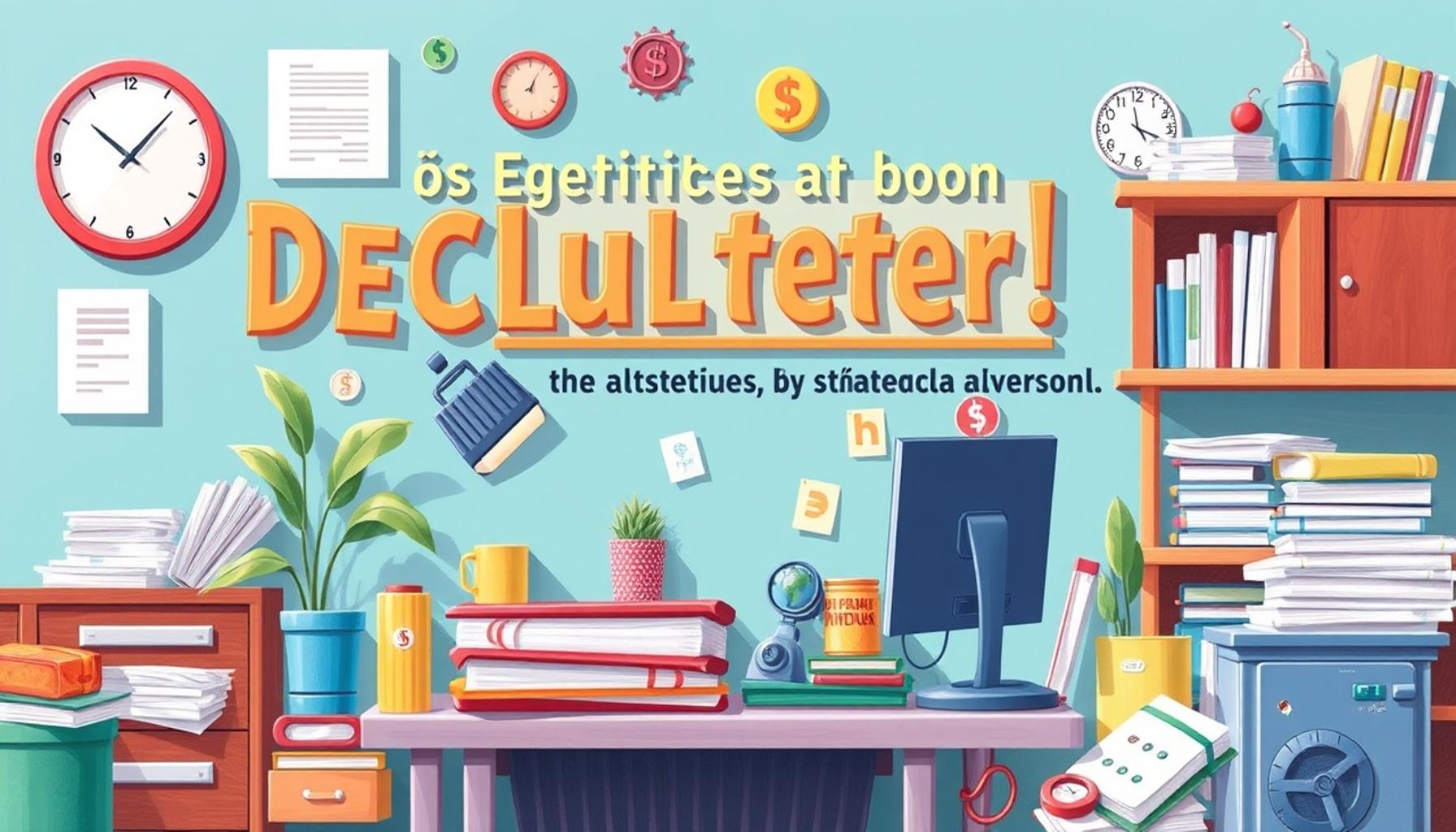
Understanding the Impact of Decluttering on Self-Confidence
Clutter isn’t just a physical burden; it can weigh heavily on our mental well-being as well. The intricate relationship between our environment and our emotions is often underestimated. When our surroundings are chaotic or disorganized, it can lead to a diminished sense of self, ultimately impacting our self-esteem and overall mental health. This phenomenon raises an intriguing question: what happens when we take the plunge and consciously decide to declutter our spaces?
Research offers compelling insights into how maintaining an organized environment can lead to transformative changes in personal perception. For instance, a study from the Princeton University Neuroscience Institute found that clutter can significantly hamper our ability to focus, as the brain struggles to allocate attention effectively amidst distractions. With this in mind, consider these connections:
- Increased Clarity: An organized space promotes mental clarity, allowing for better concentration and heightened productivity. Individuals who work in tidier environments tend to report being able to complete tasks more efficiently.
- Lower Stress Levels: A tidy environment can reduce feelings of anxiety and stress, contributing to improved emotional stability. Research indicates that people who live in cluttered spaces tend to experience higher cortisol levels, a hormone associated with stress. Conversely, organizing one’s surroundings can help create a calming atmosphere.
- Enhanced Self-Image: Decluttering fosters a sense of accomplishment, boosting confidence and self-worth. It’s empowering to take control of one’s space and see tangible results. For many, the act of decluttering can be a catalyst for larger life changes.
The transformation brought about by decluttering can be staggering. It’s not simply about aesthetics; it’s about cultivating a space that reflects the best version of oneself. As we peel back the layers of clutter, we may uncover not only additional physical space but also a profound emotional and psychological growth. For instance, several individuals report that after organizing their homes, they felt more motivated to pursue personal goals and engage in social activities.
Furthermore, engaging in decluttering can also encourage the development of positive habits, akin to a practice of mindfulness. As we become more aware of what we own and why we hold onto certain items, we begin to unearth deeper insights about ourselves. Being intentional about our possessions leads to better emotional health and a more authentic lifestyle.
In exploring this relationship between organized environments and personal perception, the effects of decluttering on self-esteem become more apparent. Readers are encouraged to think critically about their surroundings and consider actionable steps toward enhancing their well-being. From donating unwanted items to creating designated spaces for essentials, the power of decluttering can leave a lasting impact on one’s life.
The Psychological Benefits of an Organized Space
The relationship between our physical environment and our mental state is both profound and complex. When we invest time and energy into decluttering, we are not merely tidying up; we are actively reshaping our emotional landscape. Clutter can create a dissonance that impacts our self-esteem—leading to feelings of overwhelm and inadequacy. By contrast, an organized space fosters a sense of control and accomplishment that can significantly enhance our personal perception.
One way to understand the psychological advantages of decluttering is through the concept of cognitive load. When surrounded by clutter, our brains must expend extra energy to process the chaos. This mental fatigue can hinder decision-making and inhibit creativity. A clean, organized environment alleviates this burden, allowing for improved focus and clarity, which can have a cascading effect on our self-esteem. Here are a few psychological benefits linked to decluttering:
- Sense of Control: Organizing our environment instills a feeling of agency, empowering us to take charge of our surroundings. This newfound control can lead to an elevated self-worth, as individuals see their efforts translate into a more functional space.
- Improved Mental Health: Numerous studies suggest that a tidy space can contribute to lower levels of anxiety and depression. By eliminating physical reminders of tasks undone or chaos unresolved, individuals can experience a sense of peace and stability, directly correlating with enhancements in self-perception.
- Social Perception: A decluttered environment not only affects how we feel about ourselves but also influences how others perceive us. Potentially creating a more inviting atmosphere, organized spaces signal responsibility and competence, qualities that can further boost self-confidence when interacted with peers and community.
Further evidence supporting the psychological benefits of decluttering can be found in numerous testimonials from individuals who have embarked on their decluttering journeys. Many report that the act of organizing is akin to a therapeutic release, leading to increased motivation and a renewed sense of purpose. For many, the feeling of accomplishment associated with decluttering acts as a catalyst for pursuing other personal goals, from fitness to career aspirations.
Interestingly, the process of decluttering can also extend beyond the physical realm. It often encourages individuals to reflect on their values, priorities, and emotional attachments to possessions. This introspection can foster a deeper understanding of oneself, promoting personal growth and a more authentic lifestyle. As one’s living space transforms, so too can one’s mental framework, leading to a more positive self-image.
In summary, the effects of decluttering on self-esteem demonstrate a clear connection between our environments and personal perception. As we navigate the complexities of life, taking the time to create organized spaces can be a powerful means of enhancing both our emotional well-being and self-confidence.
The impact of decluttering on self-esteem extends beyond mere aesthetics; it significantly influences mental health and overall well-being. An organized environment can foster a sense of control, which is crucial for individuals who frequently feel overwhelmed. When spaces are tidy and structured, it creates a mental clarity that can boost focus and productivity. Research consistently shows that a disorganized environment can lead to increased stress and anxiety, making it more challenging to engage in self-care and personal growth. Conversely, when individuals actively engage in decluttering, they often report feelings of accomplishment and enhanced confidence.
Moreover, the relationship between physical space and emotional state is profound. An organized area can serve as a reflection of one’s inner self, positively affecting personal perception. People tend to associate cleanliness and organization with traits such as discipline and professionalism. This self-image can lead to improved interpersonal relationships and greater career success. As studied in various psychological analyses, individuals who maintain orderly environments are more likely to experience positive self-talk and enhanced self-worth. Therefore, taking the time to declutter can yield extensive benefits, positioning individuals on a path toward emotional stability and a healthier self-image.
| Category 1 | Category 2 |
|---|---|
| Emotional Well-Being | Enhanced mental clarity and reduced anxiety levels |
| Positive Self-Perception | Greater confidence and improved interpersonal relationships |
Such a shift in perspective regarding personal spaces exemplifies how decluttering can be a powerful catalyst for personal transformation. By addressing clutter, one is not merely clearing physical space; they are also paving the way for improved emotional stability and enhanced personal growth. As more individuals recognize the critical link between organized environments and self-esteem, the conversation around decluttering continues to gain traction in discussions on mental health and personal development.
The Transformative Impact of Decluttering on Personal Identity
In addition to fostering improved psychological well-being, decluttering also plays a significant role in shaping our personal identity. The act of letting go of unwanted items can serve as a powerful metaphor for emotional release and self-discovery. As we sift through our possessions, we are prompted to evaluate our lives, confronting not only our attachment to physical items but also the memories and associations that come with them. This process can lead to a profound re-evaluation of what we value and, in turn, alter how we perceive ourselves within the world.
The connection between decluttering and personal growth has been explored in various psychological studies. For instance, research published in the journal “Psychological Science” highlights how eliminating physical clutter can enhance clarity in decision-making, allowing individuals to better align their actions with their personal goals and values. When our external environments align with our internal aspirations, we often experience a reaffirmation of self-worth—a critical component of self-esteem.
This transformation often extends into the cognitive realm, where individuals begin viewing themselves through a different lens. As physical clutter diminishes, individuals frequently report a shift in self-narrative—from being overwhelmed and disorganized to becoming more structured and capable. Such changes in identity can encourage individuals to take on new challenges and embrace opportunities they may have previously avoided due to feelings of inadequacy. For example, someone who has struggled with organizing their home may find themselves more willing to take on leadership roles at work or volunteer for community events. The organized environment serves as a bolster for their newly found self-image.
Furthermore, the social impacts of decluttering cannot be underestimated. An organized living space often invites social interactions, as individuals feel more comfortable welcoming others into their homes. This social engagement can lead to a feedback loop; as others witness our organized spaces and compliment our efforts, it further reinforces our feelings of self-worth. Research indicates that the positive feedback from peers can have significant effects on self-esteem, creating a cycle of affirmation that nurtures personal growth.
Decluttering, therefore, can emerge as a stepping stone towards broader transformations in one’s life. For many, the initial act of going through belongings can lead to a broader inquiry into life choices, aspirations, and emotional health. It is a chance to redefine one’s narrative, drawing clear lines between past experiences and future goals. Even the decision to donate or recycle items contributes to a sense of contribution—fostering community spirit and altruism, both of which can enhance personal satisfaction and self-worth.
Moreover, decluttering has seen a rise in popularity through popular culture and media, with numerous television shows and lifestyle influencers promoting the simplicity of a clean space. The emphasis on the minimalist lifestyle echoes the benefits of less being more, urging individuals to consider the qualitative aspects of their environments and their profound effects on self-esteem. As this cultural shift takes root, it’s essential to appreciate how these movements resonate deeply, allowing us to embrace organized lifestyles that not only beautify our environments but also uplift our spirits.
In essence, the effects of decluttering on self-esteem extend far beyond mere aesthetics; they intertwine with our identity, social interactions, and outlook on life, ultimately reinforcing a positive self-image that transcends the physical realm.
Conclusion: Embracing the Benefits of Organization
In summary, the journey of decluttering transcends mere organization and intersects significantly with our self-esteem and personal identity. Through the process of letting go of unnecessary possessions, individuals not only experience a physical transformation in their environments but also embark on a profound emotional journey. This exploration leads to a redefinition of personal values, goals, and aspirations, allowing for a clearer self-perception.
The empirical research linking organized environments with enhanced clarity and decision-making is compelling. As spaces become less cluttered, so too do our minds, enabling us to act with intention and align our actions with our core beliefs. This conscious alignment fosters a robust sense of self-worth, enabling individuals to embrace new challenges and opportunities, which can be life-changing.
Furthermore, the social implications of decluttering bring another layer of significance to the conversation. An organized space not only invites social interaction but also cultivates a supportive feedback loop, reinforcing confidence and positivity through peer acknowledgment. This cycle of affirmation is essential for nurturing self-esteem, illustrating that our environments play an integral role in how we perceive ourselves.
As the cultural trend toward minimalism continues to gain traction, it is vital to recognize the psychological benefits tied to decluttering practices. By choosing to create organized and inviting spaces, we do not just beautify our surroundings; we also take critical steps toward improving our self-image and personal fulfillment. The positive impact of decluttering on self-esteem is a reminder that sometimes, less truly is more—less clutter leading to a more liberated and empowered self.

Beatriz
Beatriz Johnson is a seasoned minimalist and writer with a passion for simplifying the complexities of personal organization and intentional living. With over a decade of experience in decluttering strategies and mindful consumption, she specializes in topics like space optimization, habit simplification, and sustainable lifestyle choices. Through her work on our website, Beatriz empowers readers to embrace minimalism, reduce mental and physical clutter, and create more meaningful, organized lives in today's fast-paced world.