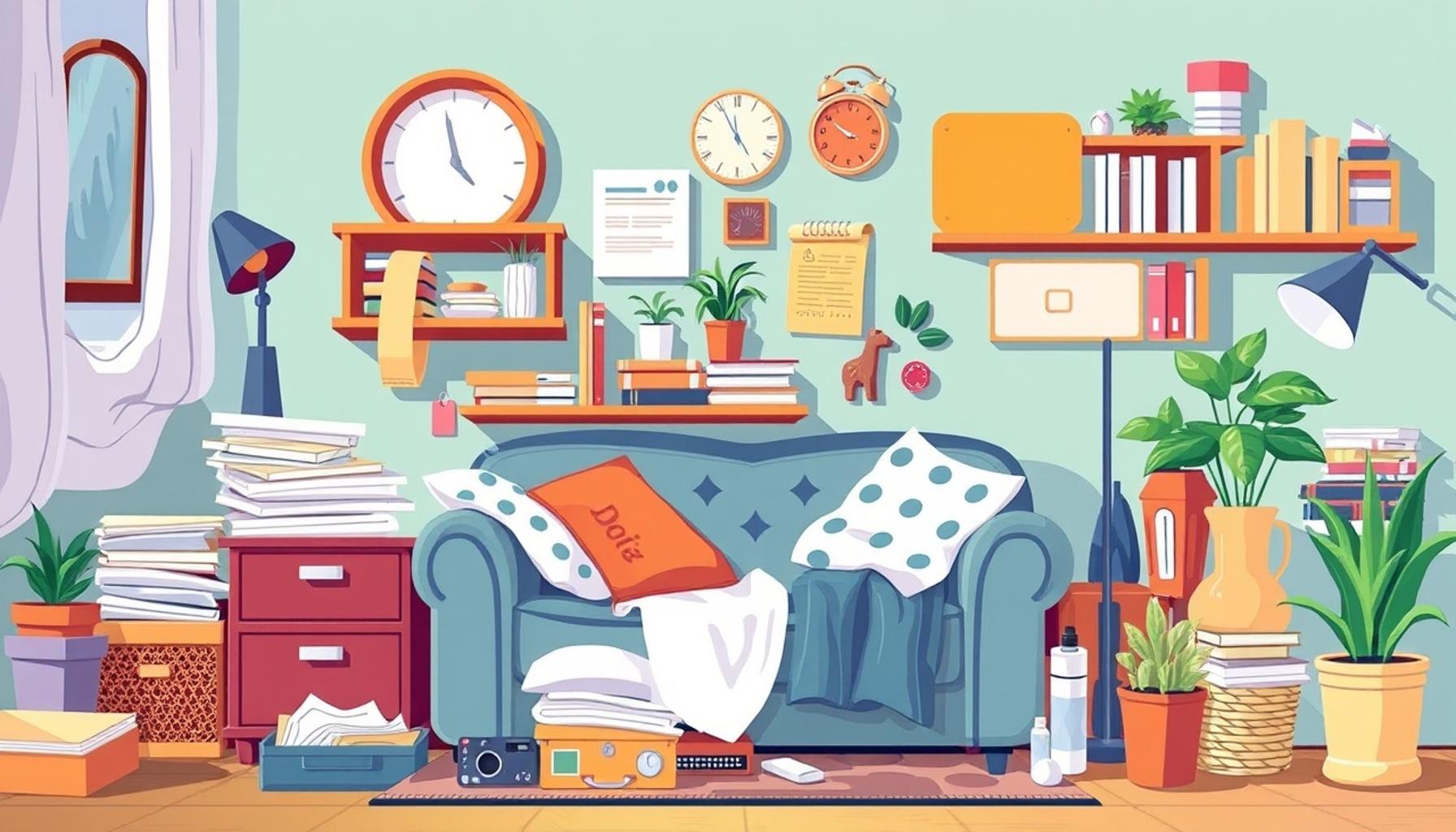
Decluttering and the Aesthetics of Space: Transforming Environments Through Simplicity
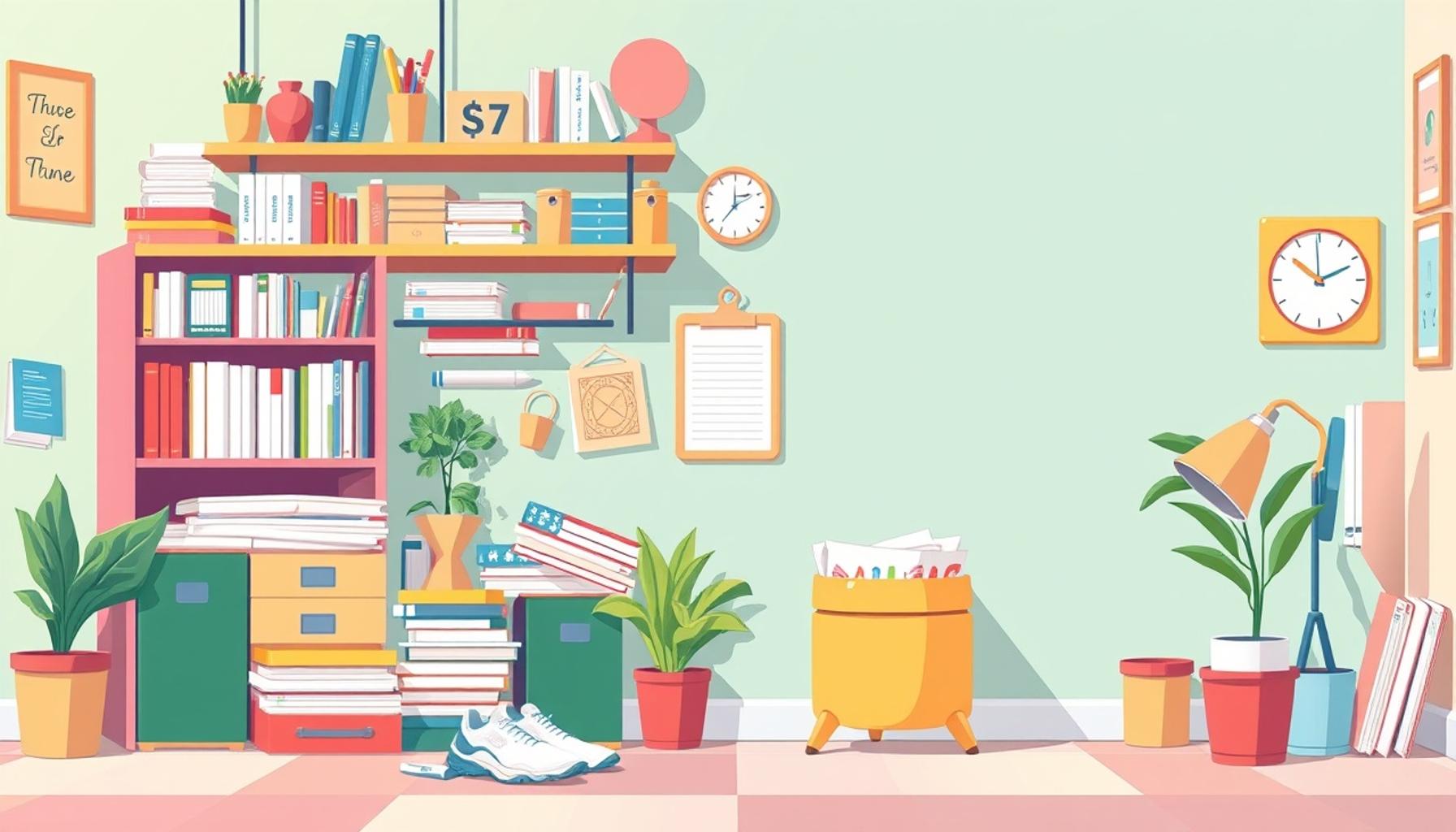
A Deeper Look at the Impact of Decluttering
The overwhelming nature of clutter can drastically impact our mental well-being and perception of space. In today’s fast-paced world, many individuals find themselves drowning in a sea of possessions, which can lead to stress and confusion. As society increasingly focuses on minimalism, the concept of decluttering has gained significant traction in the United States. From social media influencers to lifestyle coaches, the minimalist movement emphasizes not just organization, but the profound aesthetic benefits that come from embracing simplicity. The visual appeal of a decluttered space is compelling, often symbolizing a state of mind that values clarity and calm.
Benefits of Decluttering
Decluttering is more than just tidiness; it involves a holistic approach to how we curate our environment. Listed below are some of the key benefits that highlight the significance of a decluttered space:
- Improved mental clarity: Studies have shown that a minimalist space can enhance focus and reduce feelings of anxiety. For instance, when a workspace is free from visual distractions, workers often experience increased productivity and a greater sense of satisfaction in their tasks.
- Increased functionality: Eliminating excess allows for a greater utility of the remaining items. Imagine a kitchen where each utensil has a specific place, making cooking not just easier but also more enjoyable. Such a setup leads to better meal preparation and encourages healthier eating habits.
- Enhanced beauty: A simple aesthetic often highlights design elements and functionality. A living room designed with a few carefully chosen pieces can become a focal point rather than a crowded room, attracting admiration and contributing to an inviting atmosphere.
Transforming your environment through simplicity invites a refreshing perspective. By assessing what we truly need and love, we create spaces that not only look appealing but also foster a sense of tranquility. This transformation is not merely about throwing items away; it is an opportunity to cultivate a deeper connection with what we choose to keep. The essence of this transformation lies in evaluating our belongings, creating a space that reflects our values and lifestyle.
What to Expect
In exploring the art of decluttering, this article will delve into:
- Techniques for effective decluttering, including methods like the KonMari Technique, which encourages individuals to keep only those items that spark joy.
- The psychological impact of a clutter-free environment, supported by research linking such spaces with reduced stress and enhanced overall well-being.
- Real-life examples of transformed spaces, featuring inspiring stories of individuals who have embraced minimalism to improve their quality of life.
As we navigate through the art of decluttering, keep in mind that the journey itself can be just as rewarding as the final outcome. Not only will you be creating a more visually appealing space, but you will also be investing in your mental health and overall happiness.
The Aesthetic Appeal of Decluttering
In the realm of design and lifestyle, the principles of simplicity and minimalism are reshaping the way we perceive our living and working environments. The aesthetic appeal of a decluttered space is evident in well-designed homes and offices. In fact, the artfully curated chaos of the past is giving way to open spaces, clean lines, and intentional decoration, bringing to light how our surroundings can mirror our state of mind. The impact of decluttering extends far beyond mere aesthetics; it embodies a philosophy that encourages a healthier, more harmonious lifestyle.
Creating Visual Harmony
One of the standout benefits of decluttering is the visual harmony it brings to a space. When unnecessary items are removed, it becomes easier to appreciate the beauty of the remaining pieces, whether they are pieces of art, furniture, or decor. By focusing on quality rather than quantity, the space invites a sense of serenity. Key elements of this visual harmony include:
- Color schemes: A decluttered environment often features a cohesive color palette that enhances the overall look. Subtle hues can create a calming atmosphere, whereas contrasting colors can add drama without overwhelming the senses.
- Natural light: Clearing away excess furniture and decor allows for more natural light to flow throughout the space. This illumination not only improves visibility but also uplifts the mood, making rooms feel more inviting.
- Focused design: Incorporating fewer, well-thought-out design elements enables each piece to stand out. A single statement chair or a unique art piece can transform a room more effectively than a collection of smaller items that compete for attention.
The phrase “less is more” encapsulates this concept, suggesting that simplicity can have a more significant impact than overwhelming complexity. Interior designers are increasingly adopting minimalist strategies, emphasizing open floor plans and multifunctional spaces. This movement highlights how the designed space impacts daily living and encourages a lifestyle that embraces functionality and aesthetics.
The Psychological Benefits of a Simplified Environment
Beyond the visual appeal, the psychological implications of decluttering are profound. Numerous studies demonstrate that a simplified, organized environment can lead to increased productivity and reduced stress levels. When our surroundings are uncluttered, our cognitive load diminishes, allowing our minds to focus on present tasks rather than being distracted by the myriad of things vying for our attention. Furthermore, a clean, spacious area fosters creativity and invites inspiration, making it an ideal atmosphere for innovation.
As we delve deeper into the relationship between decluttering and aesthetics, we find that transforming our space through simplicity is not merely an activity; it is a worthwhile investment in our mental health and personal fulfillment. By evaluating what we keep and what we let go, we create spaces that reflect our identities and enrich our lives.
Exploring the Benefits of Decluttering
The practice of decluttering not only fosters a sense of clarity but also enhances the overall aesthetics of a space. When environments are stripped of unnecessary items, they manifest a sense of calm and tranquility. This transformation is not merely visual; it profoundly affects our mental state. Research indicates that clutter can lead to increased stress and anxiety, making it essential to address it to promote well-being.
Psychological Impact
One prominent advantage of decluttering is its positive psychological impact. Having less visual clutter allows individuals to focus better, improving productivity and creativity. Spaces that adhere to simplicity awaken a sense of purpose and intention, allowing inhabitants to interact with their surroundings more meaningfully. By creating a serene atmosphere, decluttering can inspire productivity in work-from-home environments and foster creativity in artistic spaces.
Enhanced Functionality
Another significant benefit relates to the functional efficiency of a space. A well-organized room designed with minimalism encourages more effective use of surface areas and zones. This simplicity leads to more efficient workflows, whether at home or in offices. The arrangement of items becomes intuitive, minimizing time spent searching for tools or resources. By integrating simplicity into design, individuals can cultivate a more streamlined and enjoyable lifestyle.
Emotional Clarity
Decluttering also plays a role in enhancing emotional clarity. Fewer distractions enable heightened awareness of one’s thoughts and feelings. The resulting environment promotes mindfulness and encourages individuals to be present. This emotional rejuvenation can lead to improved decision-making and a greater appreciation of life’s moments. Embracing the aesthetics of space through simplicity invigorates not just the physical environment but also the mind.
| Advantage | Description |
|---|---|
| Stress Reduction | Eliminating excess clutter reduces anxiety and promotes a peaceful mindset. |
| Increased Productivity | Organized spaces foster focus, creativity, and efficient workflows. |
| Mindfulness | Simplicity encourages presence, improving emotional clarity and decision-making. |
Incorporating [decluttering strategies] into daily routines can unlock benefits for both mind and environment, ushering in a transformative journey toward simplicity.
Transforming Spaces with Purpose
As we explore the transformative power of decluttering, it becomes evident that this process allows for the reinvention of spaces that truly serve a purpose. In a world driven by consumerism, the act of simplifying our environments can lead to conscientious living. This idea goes beyond aesthetics; it is about creating spaces that foster functionality and promote well-being. By embracing a philosophy centered on intentionality, we can cultivate environments that resonate with our values and needs.
Functional Design Elements
Incorporating practical features into design is vital in a decluttered space. Multifunctional furniture emerges as a key player in this equation, allowing for space optimization without sacrificing style. For instance, classic pieces like a Murphy bed can seamlessly transition a room from a spare bedroom to a functional workspace within moments. Similarly, coffee tables with hidden storage, ottomans that double as seating, or bookshelves that accommodate both decor and utility exemplify a growing trend towards innovative design solutions. This adaptation reinforces the idea that every item should contribute to the overall functionality of the space.
Incorporating Nature for Balance
The integration of natural elements further enhances the aesthetics of decluttered environments. Studies have shown that adding elements such as plants or natural materials fosters a calming ambiance. Houseplants not only purify the air but also bring life into a space, making rooms feel more vibrant and welcoming. Elements such as wood, stone, or water can evoke a sense of tranquility, aligning perfectly with the interest in biophilic design, which emphasizes connecting with nature indoors. Functional and aesthetically pleasing, these elements serve to anchor a room in a way that complements its simplicity.
The Role of Personalization
When decluttering, it is essential to focus on personalization, allowing each space to embody its inhabitant’s unique character. Rather than amassing decor for the sake of decoration, the process encourages individuals to carefully select items that hold significant meaning. Personal photographs, travel souvenirs, or handcrafted objects can replace generic decor, creating a narrative within the space. This curated approach not only strengthens our connection to our environment but also transforms living areas into personalized sanctuaries that promote both comfort and self-expression.
Inviting Mindfulness into Design
Decluttering inherently encourages a mindful approach to living. Each item retained supports a clear intention—whether it be functionality, sentimentality, or aesthetic value. This mindfulness extends to how we interact with our environments. By creating spaces that reflect our current needs rather than nostalgic attachments, we can better appreciate the beauty of our surroundings. Consequently, many find that a decluttered environment leads to a heightened sense of awareness and presence, facilitating moments of reflection and creativity.
As we navigate through the aesthetics of decluttering, it is clear that this endeavor influences not only the look of our spaces but also how we interact with our environments on a daily basis. By shifting our focus towards creating purposeful, functionally beautiful spaces rooted in our identities, we embrace a lifestyle that truly embodies simplicity and well-being. This transformation is more than just visual; it can redefine our relationship with the spaces we inhabit, fostering a deeper sense of connection and peace.
Embracing Clarity through Minimalism
In conclusion, the journey towards decluttering and embracing the aesthetics of space reveals profound insights into the art of living simply. By focusing on intentional design, we not only enhance the visual appeal of our homes but create environments that nourish our well-being and productivity. Spaces designed with purpose—integrating functional elements, natural materials, and personalized decor—serve as a testament to our ability to transcend the chaos of modern life.
This transformation is not merely a trend; it signifies a shift towards mindful living, where each piece we choose contributes meaningfully to our daily experiences. The influence of nature within our interiors offers serenity, reminding us of our connection to the world outside. Additionally, when personalization becomes pivotal in our environments, we forge a narrative that reflects our true selves, enhancing our emotional connection to our spaces.
As we continue to navigate through the demands of contemporary life, prioritizing simplicity can pave the way for deeper awareness and a more intentional existence. Decluttering invites us to evaluate what truly matters, leading to environments that not only look beautiful but also function with clarity and purpose. Ultimately, by advocating for simplicity, we are not just redefining our spaces; we are also reshaping our lifestyle, allowing tranquility and creativity to thrive in our homes. Embrace the opportunity to transform your surroundings into sanctuaries of peace through the power of decluttering.

Beatriz
Beatriz Johnson is a seasoned minimalist and writer with a passion for simplifying the complexities of personal organization and intentional living. With over a decade of experience in decluttering strategies and mindful consumption, she specializes in topics like space optimization, habit simplification, and sustainable lifestyle choices. Through her work on our website, Beatriz empowers readers to embrace minimalism, reduce mental and physical clutter, and create more meaningful, organized lives in today's fast-paced world.