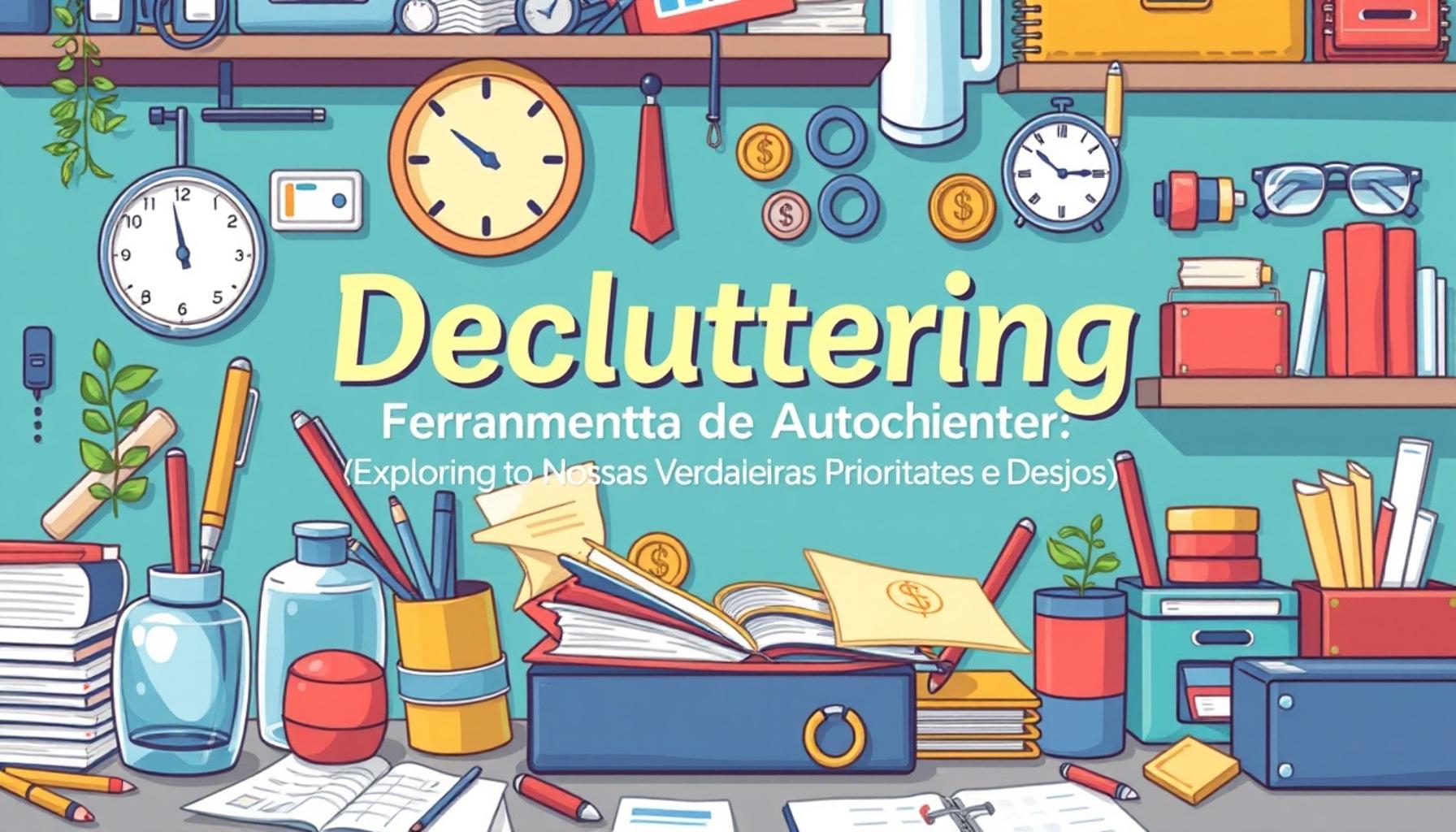
Decluttering and the Redefinition of Personal Spaces: Creating Environments that Reflect Our True Needs

Understanding the Impact of Decluttering
In modern society, where the pace of life often feels like it’s accelerating, many individuals are finding solace in a more simplified existence. The practice of decluttering has grown from a fleeting trend into a comprehensive lifestyle choice. As urban living spaces shrink and our responsibilities multiply, the importance of cultivating tranquility and enhancing efficiency in our environments has never been more pronounced. This cultural shift not only highlights how we organize our physical surroundings but also reflects a deeper desire to align our living spaces with our true needs.
Why Declutter?
As people embark on their decluttering journeys, numerous benefits emerge, transforming their lives in remarkable ways. Here are some compelling reasons why more individuals are choosing to declutter:
- Enhanced focus: A clutter-free environment minimizes distractions. Studies have shown that individuals working in organized spaces can achieve up to 25% greater productivity. For instance, a clean desk can help in maintaining concentration, allowing one to engage more fully in tasks at hand.
- Improved mental health: A tidy space can significantly reduce feelings of anxiety. Research from the Personality and Social Psychology Bulletin found that individuals who perceive their homes as cluttered are more likely to report feeling overwhelmed. On the contrary, an orderly space can inspire creativity, promoting mindfulness and relaxation.
- Greater efficiency: Having easy access to essential items saves time and energy. For example, organizing kitchen utensils or office supplies can streamline daily tasks and create smoother routines. When everything has its designated place, locating important items becomes a swift process.
Redefining Personal Spaces
Redefining personal spaces is a multifaceted process that transcends merely removing physical items. It invites a more profound approach to how one interacts with their environment. This can include:
- Curating meaningful items: It is essential to surround oneself with objects that resonate personally. This curatorial process can transform a space from mundane to inspiring. For instance, displaying family heirlooms or travel mementos can serve as both decoration and conversation starters.
- Creating multifunctional areas: In small apartments or homes, crafting spaces that serve diverse purposes maximizes utility. A dining table could also function as a workspace, or a bedroom can be designed to accommodate both rest and relaxation, with soothing colors and comfortable furnishings.
- Incorporating natural elements: The presence of plants and natural light can enhance overall well-being. Studies indicate that interaction with nature, even indoors, can uplift mood and reduce stress. A simple potted plant on a windowsill can not only beautify a space but also purify the air.
As we explore the core principles of decluttering, it becomes clear how implementing these practices can lead to the formation of genuine environments that resonate with our personal values. By systematically reassessing what we truly need, we can craft spaces that fulfill practical functions while simultaneously nurturing our mental and emotional well-being.
Shifting Mindsets: The Psychology Behind Decluttering
Decluttering goes beyond merely clearing out unused items; it represents a significant shift in how we perceive and interact with our environments. This shift is deeply rooted in psychology, as our physical surroundings play a crucial role in shaping our thoughts and feelings. In a world where consumerism and materialism often dominate, the act of decluttering forces us to pause and reconsider what we truly value. This introspection can pave the way for establishing a sense of self-awareness, fostering connections between our surroundings and our personal identities.
Embracing Minimalism
Minimalism, a lifestyle choice gaining traction in the United States, encapsulates the essence of decluttering by encouraging individuals to focus on the essentials. By embracing this philosophy, people begin to prioritize experiences over possessions, cultivating meaningful relationships with both environments and communities. Here are key components that define a minimalist approach:
- Intentional living: Minimalists practice being selective about their possessions and prioritize quality over quantity. This requires reflecting on what items truly enhance one’s life, leading to a more intentional and gratifying existence.
- Mindful consumption: Engaging with the idea of mindful consumption means making conscious decisions about what to bring into your life. By becoming discerning shoppers, individuals can reduce clutter and its subsequent impact on their mental state.
- Experiences over possessions: Shifting focus from material goods to experiences can dramatically enhance quality of life. For example, instead of investing in an array of trinkets, many now opt for family vacations or hobby classes that foster growth and connection.
In a fast-paced society driven by the urge to accumulate more, adopting a minimalist mindset can lead to profound positive changes. The burdens of clutter, both physical and mental, often deter individuals from achieving their potential, but by consciously choosing to minimize, they are better equipped to engage in various aspects of their lives.
The Role of Technology in Decluttering
The digital age has revolutionized the way we approach decluttering, introducing both challenges and solutions in our quest for organized personal spaces. Virtual clutter—emails, files, and photographs—can be just as overwhelming as tangible clutter. Therefore, incorporating technology into decluttering strategies is increasingly essential. Some effective methods include:
- Digital tools: Applications designed for organization can assist in managing tasks, scheduling, and decluttering digital files, enabling smoother navigation through life’s demands.
- Cloud storage: Utilizing cloud services allows individuals to archive and categorize information without physical storage constraints, freeing up mental space and alleviating fears of losing important data.
- Social media detox: Limiting time on social platforms can reduce overstimulation and comparison pressures, encouraging a healthier mindset within personal spaces.
As we continue our exploration of the profound impact decluttering has on personal environments, the interconnectedness of psychology, minimalism, and technology highlights the potential for significant growth. Understanding how to redefine our spaces empowers us to create environments that genuinely reflect our values and fulfill our true needs.
| Category | Description |
|---|---|
| Emotional Clarity | Decluttering promotes enhanced mental well-being by removing distractions. |
| Functional Spaces | Reorganizing allows you to tailor your environment to specific needs and activities. |
| Personal Reflection | Creating spaces that reflect one’s identity and aspirations. |
| Productivity Boost | A clear space often leads to improved focus and efficiency in tasks. |
The essence of decluttering goes beyond mere organization; it’s about creating a sanctuary that mirrors our true selves. Many people find that as they eliminate excess items, they unlock a pathway to emotional clarity, allowing for mental space to breathe and reflect. By removing the clutter, individuals often discover that their focus improves, leading to a significant productivity boost in both personal and professional settings.Additionally, functional spaces become a crucial aspect of this transformation. When environments are reorganized to cater specifically to one’s needs and daily activities, they can dramatically enhance one’s quality of life. Not only do these spaces support practical uses, but they also create an opportunity for personal reflection—designing areas that encapsulate identity and aspirations.Yet, it’s the emotional benefits that resonate the most. As people engage with decluttering as a mindful practice, they often find a newfound sense of peace, empowering them to create environments that truly reflect their true needs and desires. This is not simply about aesthetics; it’s about honorably curating our personal spaces so they foster joy, purpose, and tranquility.
The Practicalities of Decluttering: Techniques for Transforming Spaces
While the psychological and philosophical aspects of decluttering lay the groundwork for meaningful changes in our environments, the practical application of decluttering techniques is crucial for anyone looking to create spaces that reflect their true needs. The journey towards organized personal spaces involves specific tactics that can be tailored to individual lifestyles, preferences, and household dynamics.
Strategic Decluttering Methods
Implementing strategic decluttering methods can make the process less daunting and more effective. Here are several popular techniques that have gained traction:
- The KonMari Method: Popularized by Marie Kondo, this approach emphasizes keeping only those items that “spark joy.” By encouraging individuals to evaluate the emotional significance of their belongings, the KonMari Method promotes a heartfelt connection to each object, leading to a more intentional living environment.
- The Four-Box Method: This strategy involves using four boxes labeled “Keep,” “Donate,” “Trash,” and “Relocate.” By physically sorting items into these categories, declutterers can systematically make decisions about what to retain, what to give away, and what no longer serves a purpose.
- One In, One Out Rule: To maintain an organized space, this rule encourages individuals to commit to parting with one item for every new item they acquire. This practice promotes mindful consumption and prevents the cycle of clutter from continuing.
Adopting these techniques not only helps declutter physical spaces but also encourages a mindset shift towards more conscious living. For families, involving all members in the process fosters a sense of ownership and responsibility in maintaining an organized home.
Creating Functional Spaces
As decluttering takes place, a critical aspect to consider is the reorganization of spaces to enhance functionality. This step further personalizes environments and reflects individual needs. Here are ways to optimize spaces for better utility:
- Multifunctional furniture: Invest in furniture that serves multiple purposes, such as ottomans with storage or fold-out desks. This allows for flexible use of space and minimizes clutter, especially in smaller living areas.
- Defined spaces: Create designated zones for activities within your home. For instance, a reading nook or a crafting corner can delineate areas for relaxation or creativity, providing both structure and purpose in the space.
- Vertical storage solutions: Taking advantage of vertical space through shelves, wall hooks, and cabinets can maximize storage while maintaining aesthetics. It gives the illusion of a more open environment and frees up floorspace.
By thoughtfully organizing and rearranging spaces, individuals not only boost productivity but also cultivate a sense of tranquility within their homes. Ultimately, creating environments that resonate with personal values and practical needs contributes to overall well-being.
Community and Shared Spaces
Decluttering isn’t limited to individual homes; it extends to community spaces as well. Shared environments such as workplaces, schools, and recreational areas can also benefit from decluttering practices. Initiatives like community clean-ups or organized donation drives can bring people together, fostering a sense of purpose beyond personal interest.
Moreover, research indicates that exposure to organized spaces can enhance collaboration and creativity in team settings. By advocating for decluttered, well-organized shared environments, we can create a culture that values efficiency, clarity, and support.
Through a dedicated focus on the practical aspects of decluttering, individuals can take actionable steps toward redefining their personal spaces. As these environments evolve to better reflect our true needs, they pave the way for deeper connections to self and community.
Conclusion: Embracing Clarity Through Decluttering
In an increasingly fast-paced world, the practice of decluttering offers a refreshing pathway toward reclaiming our personal spaces. As we’ve explored throughout this article, decluttering is not merely a physical act; it’s a profound redefinition of our environments that aligns them with our true needs and values. By employing strategic techniques like the KonMari Method, the Four-Box Method, and the One In, One Out Rule, individuals can transform both homes and community spaces into organized havens that celebrate functionality and tranquility.
Ultimately, the journey of decluttering empowers us to engage with our possessions meaningfully, shedding items that no longer serve a purpose in our lives. This shift not only enhances our physical spaces but also fosters a deeper emotional connection with our surroundings. As we redefine personal spaces, we create an atmosphere conducive to self-reflection and productivity. Moreover, this practice has the potential to ripple outward, inspiring collective action within our communities and cultivating environments that prioritize clarity and efficiency.
As you embark on your decluttering journey, remember that each step taken is a step towards a more intentional and resonant living space. It’s an invitation to discover what truly matters, not just in our homes, but in our lives. By creating environments that reflect our true selves, we unlock a clearer path to holistic well-being and enhanced relationships with ourselves and others.

Beatriz
Beatriz Johnson is a seasoned minimalist and writer with a passion for simplifying the complexities of personal organization and intentional living. With over a decade of experience in decluttering strategies and mindful consumption, she specializes in topics like space optimization, habit simplification, and sustainable lifestyle choices. Through her work on our website, Beatriz empowers readers to embrace minimalism, reduce mental and physical clutter, and create more meaningful, organized lives in today's fast-paced world.