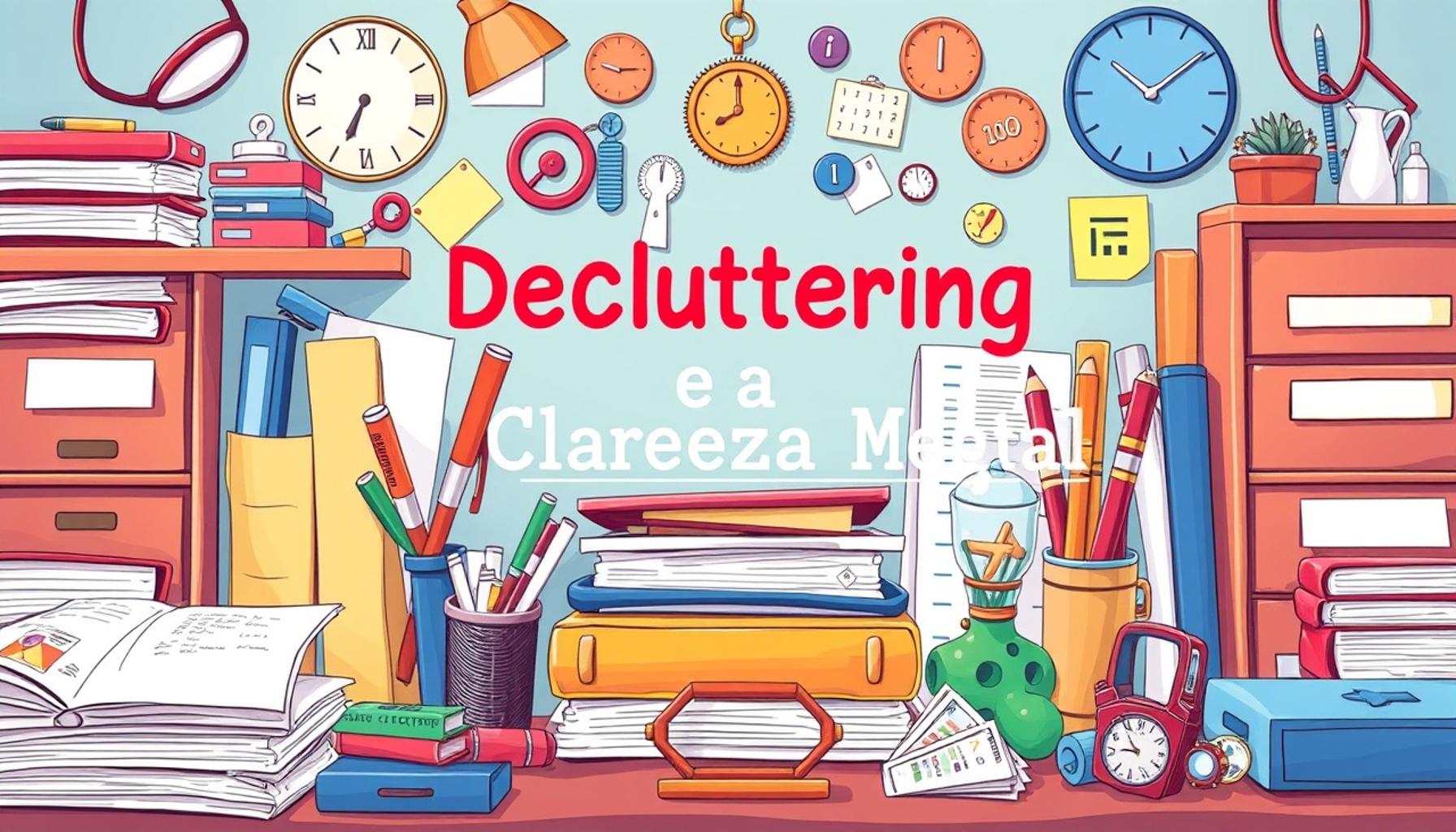
How Minimalism and Letting Go Can Increase Life Satisfaction

Discover the Power of Minimalism
In today’s fast-paced world, many individuals find themselves overwhelmed by clutter — both physical and emotional. As consumerism thrives, people accumulate more, often believing that possessions will bring them happiness. However, research suggests that embracing minimalism and the practice of letting go can significantly enhance life satisfaction. By adopting a minimalist lifestyle, individuals can clear space in their lives for what truly matters.
Understanding Minimalism
Minimalism is more than a lifestyle; it is a profound mindset transformation. This approach encourages individuals to reevaluate their relationship with belongings, environment, and even time. By focusing on what is truly essential, individuals can:
- Reduce stress from clutter: A cleaner, simplified space minimizes distractions, thereby lowering anxiety levels. Research from the Princeton University Neuroscience Institute found that physical clutter in the environment restricts the brain’s ability to focus.
- Enhance creativity and focus: With fewer possessions vying for attention, creativity can flourish. Some artists and thinkers, like Steve Jobs and Leonardo da Vinci, are said to have thrived under minimalist principles.
- Feel freedom from societal expectations: Minimalism allows individuals to break away from the relentless cycle of wanting more. It empowers people to be comfortable with less, shifting the focus from material wealth to meaningful experiences.
The Art of Letting Go
Letting go of attachments doesn’t imply losing everything you love. Instead, it involves a mindful reevaluation of priorities and values. The art of letting go can be seen in the practices of people who have embraced minimalism through different lenses:
- Reevaluating priorities: This could mean choosing experiences over possessions. For instance, instead of purchasing the latest smartphone, many now prioritize travel or learning new skills, fostering personal growth.
- Making space for new experiences: When you let go of unnecessary items, both physically and emotionally, you create room for new activities and relationships that can increase joy and satisfaction.
- Fostering a sense of gratitude: Minimalism encourages individuals to appreciate what they have rather than longing for what they do not possess. Adopting daily gratitude practices, such as journaling, can significantly enhance one’s overall outlook on life.
This combination of minimalism and the ability to let go holds the key to improving emotional well-being. By decluttering both your physical and mental space, you reclaim your happiness and discover a more fulfilling life. As you delve deeper into these concepts, you will find actionable steps and inspiring stories that can help you embark on your own minimalist journey. Welcome to a lifestyle that prioritizes quality over quantity and creates lasting joy through simplicity.
Embracing the Benefits of Minimalism
As the minimalist movement garners traction across various segments of society, it’s essential to delve deeper into the numerous benefits that this lifestyle can offer. Minimalism invites individuals to focus intensely on value rather than volume, fostering a sense of satisfaction that often eludes those ensnared in the cycle of consumerism. By consciously selecting only the items, experiences, and relationships that bring joy, adherents of minimalism encounter a transformative clarity that profoundly impacts their lives.
The Psychological Impact of Decluttering
Research highlights that decluttering does not merely result in a tidier space; it triggers a psychological shift that enhances mental well-being. Studies have shown that individuals who engage in decluttering often report:
- Improved Mood: The act of organizing and freeing oneself from excess can yield immediate emotional benefits. A tidier environment is linked to lower levels of stress and anxiety, which can enhance daily happiness.
- Increased Productivity: With fewer distractions, individuals find it easier to concentrate on tasks that matter, thereby improving efficiency and effectiveness in both personal and professional organizations.
- Greater Life Satisfaction: The practice of minimalism encourages introspection, prompting individuals to reflect on what truly matters to them. As they align their possessions with their values, a deeper sense of fulfillment often follows.
Minimalism in Everyday Life
The principles of minimalism can easily be woven into the fabric of everyday life in various ways. For instance, consider the following approaches:
- Capsule Wardrobe: Instead of a closet bursting with clothing, a capsule wardrobe encourages individuals to curate a selection of versatile pieces that they truly love, streamlining mornings and reducing decision fatigue.
- Digital Decluttering: Just as physical clutter weighs down space, digital clutter—unsubscribed emails, unused apps, and excess photos—can overwhelm one’s mental space. Organizing digital assets can lead to a more manageable and inviting online presence.
- Mindful Spending: Shifting focus from buying impulsively to making intentional purchases allows individuals to cultivate a profound appreciation for their belongings. When every item is intentional, life gains a new richness and value.
As individuals begin to implement these principles, they often report an enhanced sense of clarity and purpose. By consistently evaluating their lives, people learn to let go of unnecessary burdens, both physical and emotional, ultimately leading to enriched life satisfaction. To truly appreciate the power of minimalism and the art of letting go, it’s crucial to engage in self-reflection and to consider how decluttering can open avenues for deeper connections and more meaningful experiences.
| Advantages | Benefits |
|---|---|
| Reduced Stress | Embracing minimalism leads to a simpler living space, which fosters peace and tranquility. |
| Increased Focus | A decluttered environment enhances concentration, allowing individuals to engage more fully in their pursuits. |
| Financial Freedom | Letting go of unnecessary possessions can reduce spending, making way for savings and investments. |
| Enhanced Relationships | A focus on quality over quantity in relationships leads to deeper connections and fulfillment. |
By strategically adopting a minimalist lifestyle and learning the art of letting go, individuals can fundamentally reshape their lives, leading to a profound improvement in overall life satisfaction. The process of minimizing material possessions not only declutters a physical space but also clears the mind, opening up pathways to new experiences and joys. More importantly, understanding the implications of these choices encourages personal growth and mental wellbeing, paving the way for a more fulfilling existence.
Fostering Emotional Resilience through Letting Go
One of the most profound aspects of minimalism lies in its inherent connection to the concept of letting go. This process extends beyond the physical realm of possessions; it encompasses mental and emotional clutter as well. Letting go can be an empowering practice that not only declutters living spaces but also liberates the mind and heart. Individuals who embrace the act of releasing unneeded items often find themselves better equipped to face life’s challenges.
Letting Go of Emotional Baggage
Many people carry emotional burdens tied to past experiences, relationships, or unmet expectations. Letting go of emotional baggage is a critical component of increasing life satisfaction. Research indicates that by confronting and releasing toxic emotions, individuals can experience:
- Enhanced Confidence: Letting go of negative feelings can positively influence self-image and foster a sense of autonomy, enabling individuals to make empowering choices about their futures.
- Improved Relationships: Emotional clarity facilitates healthier interactions with others. As individuals shed old grievances and resentments, they may allow for deeper connections and more open communication.
- Greater Adaptability: By letting go, individuals cultivate emotional resilience, allowing them to adapt better to life’s inevitable changes and uncertainties.
The Role of Mindfulness in Letting Go
Mindfulness, the practice of being present and fully engaged in the moment, serves as a powerful tool in the journey of minimalism and letting go. When individuals practice mindfulness, they become more aware of their thoughts and feelings, creating a pathway to release what no longer serves them. Incorporating mindfulness into daily life offers benefits such as:
- Heightened Awareness: Individuals become aware of their attachments to material items or emotional states, which facilitates more conscious decision-making about what to retain in their lives.
- Stress Reduction: Mindfulness can serve as a form of stress relief, allowing individuals to navigate their daily life with a sense of calm, reducing the overwhelming feeling often associated with clutter.
- Focus on Experiences: Mindfulness teaches individuals to value experiences over possessions, reinforcing the notion that memories, relationships, and personal growth are core to life satisfaction.
Practical Steps to Implement Letting Go
For those new to the journey of letting go, a practical approach can ease the transition. Simple methods can encourage individuals to release what no longer adds value to their lives:
- The One-Year Rule: If an item hasn’t been used in the last year, consider whether it contributes meaningfully to life. This rule can be applied to clothing, gadgets, and even emotional ties.
- Gratitude Journaling: Regularly noting what brings joy fosters appreciation, making it easier to identify and let go of items or memories that no longer enhance the quality of life.
- Seek Support: Engaging with a community of minimalists provides motivation and shared experiences that can inspire action and accountability in the process of letting go.
Overall, the act of letting go harmonizes beautifully with minimalism, ultimately catalyzing personal growth and fostering a fulfilling life. The journey of learning to relinquish possessions, emotions, and habits that encroach upon happiness can lead to a renewed sense of purpose and a more enriched day-to-day experience. By intertwining minimalism and the practice of letting go, individuals open themselves up to a life punctuated by fulfillment and greater satisfaction.
Conclusion: Embracing Minimalism and the Power of Letting Go
In a world increasingly focused on consumption and materialism, the principles of minimalism and letting go emerge as valuable tools for enhancing life satisfaction. By prioritizing what truly matters and consciously releasing the unnecessary, individuals can cultivate not only a simpler living space but also a more fulfilling emotional landscape. This practice fosters a profound shift in perspective—where material possessions are viewed as less significant than personal connections, experiences, and self-growth.
As explored in this article, the process of letting go can result in enhanced confidence, improved relationships, and a greater ability to adapt to life’s changes. The integration of mindfulness further amplifies these benefits, promoting awareness that empowers individuals to make decisions aligned with their true values. Simple yet effective strategies, such as the one-year rule or gratitude journaling, provide practical pathways for those embarking on this journey of deliberate minimalism.
Ultimately, embracing minimalism and the art of letting go encourages individuals to refocus on what brings them genuine joy and satisfaction, leading to significant life improvements. In this pursuit, they may discover that life’s richness is not rooted in possessions, but in the memories created, the relationships nurtured, and the personal growth achieved. As readers consider these insights, the invitation remains clear: take the first step toward a more meaningful life by letting go of what no longer serves you, and watch as life satisfaction flourishes.

Beatriz
Beatriz Johnson is a seasoned minimalist and writer with a passion for simplifying the complexities of personal organization and intentional living. With over a decade of experience in decluttering strategies and mindful consumption, she specializes in topics like space optimization, habit simplification, and sustainable lifestyle choices. Through her work on our website, Beatriz empowers readers to embrace minimalism, reduce mental and physical clutter, and create more meaningful, organized lives in today's fast-paced world.