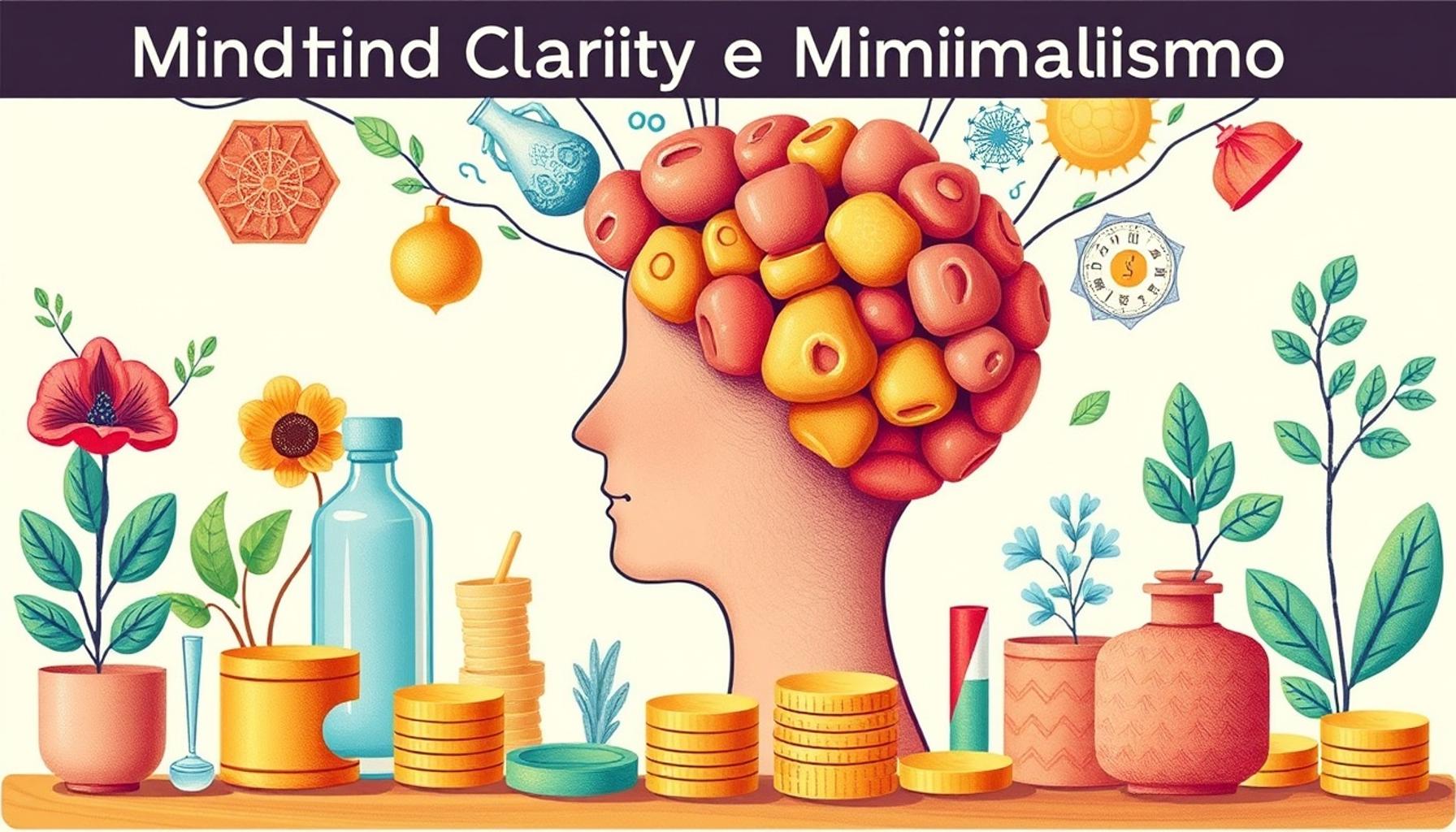
The Art of Simplicity: How Minimalism Can Clear the Mind

Understanding Minimalism and Its Importance
In a society overflowing with information and material possessions, embracing simplicity can seem daunting. However, the philosophy of minimalism champions the notion that by eliminating the superfluous, we can profoundly enhance our mental wellness and overall happiness. Minimalism isn’t just about reducing physical clutter; it represents a shift in mindset that prioritizes the essence of our lives.
Clarity and Mental Space
One striking aspect of minimalism is its ability to foster clarity. By consciously decluttering our environments—be it our homes, workplaces, or digital spaces—we create serene settings that encourage peacefulness and stimulate creativity. Research has shown that clutter can negatively impact our ability to focus and process information. For instance, a 2011 study published in the journal Psychological Science indicated that cluttered environments can overwhelm our attention and decrease our ability to think, leading to increased stress levels. This is why many individuals are opting for a more minimalistic home design that incorporates open spaces and functional furnishings, such as Scandinavian-style decor, which emphasizes simplicity and functionality.
Enhanced Focus and Productivity
Minimalism also enhances our capacity to focus on what truly matters in our personal and professional lives. In practice, this could mean streamlining our daily routines to minimize distractions. A typical example is the practice of a capsule wardrobe, where one curates a selection of versatile clothing pieces. This approach not only minimizes decision fatigue but also allows individuals to prioritize their time and energy on fulfilling activities. As Steve Jobs famously donned a black turtleneck and jeans daily, he exemplified how reducing choices can free up cognitive resources for creativity and innovation.
Promoting Mindfulness
Another significant benefit of minimalism is its promotion of mindfulness. Living a minimalist lifestyle encourages us to be present in the moment, appreciating our surroundings and relationships more deeply. This could manifest in various forms—such as practicing yoga, adopting meditation, or even immersing oneself in nature. The reduction of distractions enables a heightened awareness of our thoughts and emotions, allowing us to connect more profoundly with ourselves and others.
Across the United States, a growing number of people are exploring the transformative potential of minimalism. They actively seek to implement strategies, such as digital detoxes to minimize screen time or practices like ‘The Minimalists’ 30-Day Challenge’, which inspires individuals to part with one item a day for a month. These practical steps can motivate individuals to reassess their possessions and lifestyle choices, empowering them to make meaningful changes.
As we delve deeper into the art of simplicity, it becomes evident that minimalism is more than a trend; it’s an attainable means of restructuring our lives in pursuit of peace and fulfillment. In our fast-paced, consumption-driven society, choosing to embrace minimalism opens the door to a life enriched by clarity, focus, and mindfulness.
The Transformational Power of Minimalism
The exploration of minimalism unveils a path towards a simplified but meaningful existence. This profound lifestyle choice not only emphasizes the removal of physical clutter but also heralds a mental decluttering—waiting to be discovered by anyone who chooses to embrace it. As we peel back the layers of excess, we uncover a more authentic version of ourselves, one that is less anchored to material possessions and more aligned with our core values and passions.
Breaking Free from Consumer Culture
In a consumer-centric nation like the United States, where advertisements bombard our senses and social media often equates worth with wealth, the act of reducing excess can feel revolutionary. Minimalism calls for a conscious effort to separate our self-worth from our possessions. By resisting the tide of compulsive consumerism, individuals not only reclaim their time but also cultivate a sense of freedom from the incessant need for more. This shift can be materialized in various ways, such as:
- Conscious Spending: Focus on purchasing only items that add value to life, steering clear of unnecessary purchases.
- Quality over Quantity: Invest in durable and meaningful possessions, rather than succumbing to the allure of fleeting trends.
- Mindful Consumption: Engage in experiences rather than accumulating objects, fostering richer connections with people and surroundings.
Build an Intentional Life
The minimalist philosophy also encourages intentionality in broader life decisions. By setting clear priorities and aligning actions with personal values, individuals can cultivate a more satisfying existence. For example, instead of spreading oneself thin across numerous commitments, a minimalist approach advocates for choosing fewer engagements that resonate deeply with one’s passions and objectives. This intentional living not only boosts productivity but also enhances overall satisfaction, as individuals can channel their energy into what matters most.
Creating a Stress-Reduced Environment
Living in an environment stripped of excess can lead to enhanced emotional well-being. Studies indicate that a minimalist space can significantly reduce stress and anxiety levels. For instance, research from Princeton University found that individuals in cluttered environments had a harder time focusing, compared to those in simpler settings. By adopting a minimalist approach to home design—featuring clean lines, open spaces, and lighter color palettes—people can effectively foster a sanctuary that not only looks appealing but also promotes inner calm.
Embracing minimalism thus serves as a holistic approach to reducing stress and will enable individuals to clear mental pathways hindered by unnecessary distractions. As we undergo this exploration of simplicity, it becomes increasingly clear that minimalism is less about deprivation and more about making room for clarity, intention, and a deeper appreciation of life’s essentials.
| Advantage | Description |
|---|---|
| Enhanced Focus | Minimizing distractions allows individuals to concentrate better on tasks, leading to increased productivity. |
| Reduced Stress | Clean surroundings can foster a sense of calm, helping alleviate anxiety and promoting mental well-being. |
The journey into minimalism reveals how intentional simplicity can clear the clutter from our minds. Enhanced focus becomes attainable as we actively strip away unnecessary elements that otherwise pull our attention in multiple directions. Studies suggest that environmental stimuli greatly impact our cognitive functions; thus, creating a serene workspace encourages not only productivity but also a sense of achievement.Moreover, embracing a minimalist lifestyle naturally invites a profound reduction in stress levels. With fewer material possessions comes a lighter mental load, promoting a clear path to emotional stability. Taking a step back and evaluating what truly matters in life cultivates a nurturing space for creativity and personal growth. Each object we keep should serve a purpose or inspire joy, leading to not just a clearer mind but a fulfilled life. As we adopt these principles, the art of simplicity illuminates the path toward mindful living, encouraging deeper exploration of self and surroundings.
The Mindfulness Connection
Minimalism transcends mere decluttering; it intertwines seamlessly with the practice of mindfulness. The essence of mindfulness lies in being present and fully engaged with the current moment, stripping back distractions that often divert our attention. By simplifying our lives, we can better cultivate a mindful state, fostering a greater awareness of our thoughts, emotions, and surroundings.
Decluttering the Mind
Our minds, much like our physical spaces, can become cluttered with incessant thoughts, worries, and distractions. Minimalism encourages the practice of mental decluttering, urging individuals to limit the noise that competes for their attention. This can be supported by:
- Journaling: Dedicate moments each day to jot down thoughts, feelings, or worries, creating a sense of release while clarifying your mental landscape.
- Meditation: Engaging in regular meditation can train our minds to focus and enhance self-awareness, allowing for a deeper connection with the present.
- Digital Detox: Limiting screen time and social media usage can drastically reduce mental clutter, creating a clearer path to inner peace.
Enhancing Creativity and Focus
As we embrace minimalism, we often find a newfound clarity that paves the way for enhanced creativity and focus. By reducing distractions, we allow our minds to wander less and engage more deeply with tasks at hand. This is supported by research from Harvard University, which indicates that people are most productive in environments that promote minimized distractions. Simple, organized workspaces can lead to more effective problem-solving and innovative thinking, enabling us to tap into our creative potential.
The Impact on Emotional Health
The practice of minimalism is intrinsically linked to emotional health. By letting go of the things and commitments that no longer serve us, we create space for healthier mental habits and a deeper understanding of ourselves. The American Psychological Association highlights how simplifying one’s environment can contribute to reduced feelings of overwhelm and stress. Establishing boundaries, such as saying no to obligations that drain our energy, fosters emotional resilience, allowing for a more profound engagement with oneself and others.
Moreover, this journey towards simplicity can help individuals develop gratitude—a crucial aspect of emotional well-being. Minimalism invites reflection on what truly matters, enabling individuals to appreciate the beauty in the simple experiences of life, which often goes unnoticed amidst the noise of everyday existence. From savoring family dinners to enjoying a brisk walk in nature, the minimalist mindset allows for a richer appreciation of life’s moments.
Community and Connection
Minimalism fosters a sense of community and connection by steering focus away from consumerism towards shared experiences. Participating in community events, workshops, or volunteer opportunities not only enriches personal interactions but also enhances the feeling of belonging. This shift encourages deeper relationships built on shared values rather than shared possessions, promoting a stronger bond between individuals.
As one continues to delve into the art of simplicity, it becomes evident that minimalism is a powerful tool for mental clarity, emotional healing, and community building. By embracing this lifestyle, each individual embarks on a transformative journey—empowered to live with intention, appreciation, and an open heart.
Conclusion: Embracing Minimalism for Mental Clarity
As we navigate the complexities of modern life, minimalism offers a refreshing reminder of the beauty found within simplicity. This art of simplicity not only encourages us to declutter our physical surroundings but also invites us to cleanse our minds from the distractions that overwhelm us. By adopting minimalism as a lifestyle, we find ourselves on a path towards enhanced mindfulness, creativity, and emotional well-being.
The practices of journaling, meditation, and digital detox serve as powerful tools that enable us to regain control over our mental space, allowing for deeper connections with our thoughts and feelings. Furthermore, the emotional health benefits that arise from such simplification can lead to a more resilient and grateful existence, reshaping how we interact with ourselves and others.
Ultimately, embracing minimalism fosters a sense of community and connection, encouraging us to prioritize meaningful relationships over material possessions. This shift in perspective not only cultivates stronger bonds but also creates a valuable sense of belonging in a fast-paced world.
In conclusion, the art of simplicity reveals that by clearing the mind and heart of excess, we can fully appreciate the richness of the present moment. As you embark on your journey towards a minimalist lifestyle, remember that every small step can lead to profound changes in both mental clarity and emotional health, making the pursuit of simplicity a truly rewarding endeavor.

Beatriz
Beatriz Johnson is a seasoned minimalist and writer with a passion for simplifying the complexities of personal organization and intentional living. With over a decade of experience in decluttering strategies and mindful consumption, she specializes in topics like space optimization, habit simplification, and sustainable lifestyle choices. Through her work on our website, Beatriz empowers readers to embrace minimalism, reduce mental and physical clutter, and create more meaningful, organized lives in today's fast-paced world.