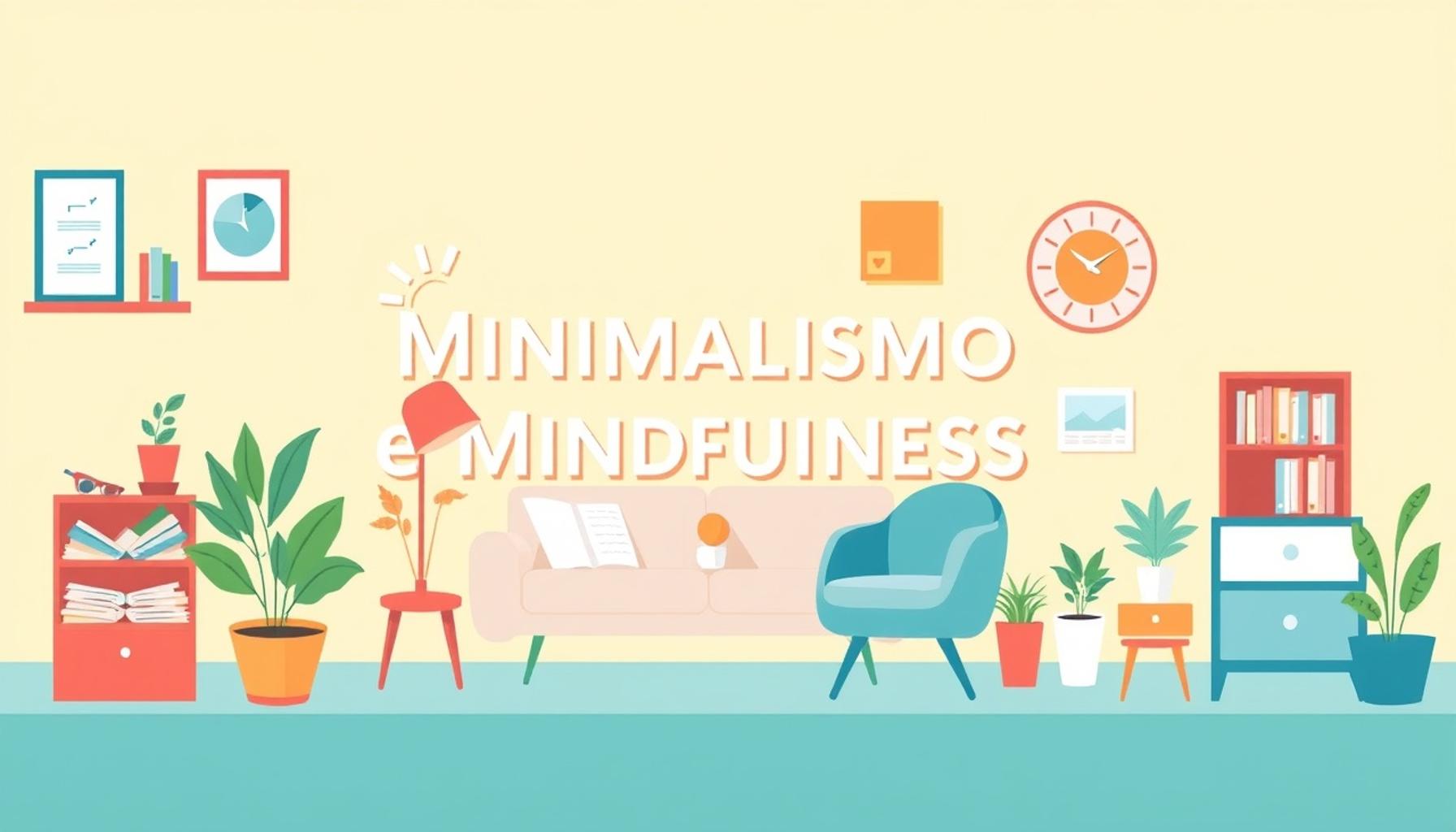
Minimalist Environments: The Impact of Physical Space on Mental Health

Exploring the Impact of Our Environment on Mental Well-Being
Have you ever paused to consider how your environment influences your mood? The connection between physical space and mental health is profound and often overlooked. As our lives become increasingly hectic, the simplicity of minimalist environments may offer solace amidst chaos. Numerous studies have demonstrated that our surroundings directly affect our state of mind, suggesting that the way we arrange our living and working spaces can significantly impact our emotional and psychological well-being.
Research indicates that cluttered spaces can lead to heightened stress and anxiety. For instance, a study conducted at the University of California found that participants in disorganized environments experienced a higher level of cortisol, the stress hormone, compared to those in tidy settings. In contrast, minimalist designs promote a sense of calm and clarity. This approach to interior design emphasizes simplicity, functionality, and a less-is-more philosophy, which can provide a much-needed respite from the visual noise of our everyday lives. Key features of these environments include:
- Open Spaces: These areas encourage freedom and ease of movement, helping to create a feeling of spaciousness that can alleviate feelings of confinement and stress.
- Neutral Colors: Soft hues, such as pale grays, whites, and earth tones, create a soothing atmosphere, making it easier to relax and focus. For example, many modern homes in cities like Los Angeles embrace these tones to complement natural light and create serene living spaces.
- Natural Light: Exposure to sunlight boosts mood and energy levels. It has been shown to improve concentration and productivity, which is especially beneficial in workspaces.
- Decluttered Surfaces: Keeping surfaces free of unnecessary items reduces distractions and enhances focus. Studies suggest that a clean desk can lead to greater productivity within workplaces and improved mental clarity.
The minimalist philosophy extends beyond aesthetics; it embodies a mindset that fosters mental clarity and well-being. This lifestyle choice can be particularly relevant for many individuals in the United States, where the pressure of daily life often leads to overwhelming feelings. A trend in urban centers is the rise of decluttering services and minimalism workshops, where people learn to simplify their lives and reduce the chaos in their surroundings.
Understanding the impact of our surroundings is critical. It may prompt individuals to reassess their spaces, seeking environments that nurture rather than hinder their well-being. Implementing even small changes—such as removing excess items or incorporating plants—can have a significant impact on mental health. Join us as we explore how a mindful approach to our physical surroundings can positively influence our mental health, encouraging individuals to create spaces that are not only beautiful but also supportive of their emotional needs.
The Psychological Benefits of Minimalist Spaces
As the pace of modern life accelerates, more individuals are recognizing the profound influence that minimalist environments can have on their mental health. This trend extends beyond aesthetics; it denotes a deliberate approach to living that can nurture emotional well-being. Minimalism advocates for a lifestyle that prioritizes the essentials, often leading to transformative changes in how people interact with their surroundings and, in turn, their mental states.
Multiple studies have documented the psychological benefits of maintaining organized and uncluttered spaces. Research from Princeton University concluded that individuals surrounded by clutter experienced increased levels of distraction, ultimately hindering their ability to focus and concentrate effectively. Conversely, embracing minimalism—characterized by simplicity and intentionality—can foster a clearer mind, allowing individuals to engage more fully in their daily tasks.
Several elements contribute to the effectiveness of minimalist settings:
- Intentional Design: A thoughtfully curated environment promotes mindfulness and intentional living. Each item serves a purpose, reducing decision fatigue and allowing individuals to focus on what truly matters.
- Increased Productivity: By minimizing distractions, workspaces designed with minimalism in mind can enhance productivity. Studies show that employees in decluttered environments are more efficient and perform better, contributing positively to workplace morale.
- Connection with Nature: Incorporating natural elements such as plants or large windows that allow for ample daylight can significantly improve mood. Biophilic design principles emphasize the connection to nature, which has been shown to lower stress levels.
- Mindfulness and Presence: Minimalist environments encourage individuals to appreciate their surroundings and cultivate a sense of presence. This mindful approach can lead to reduced anxiety and a greater sense of peace.
The trend of minimalism is also gaining momentum in urban centers across the United States, where living spaces tend to be smaller and often overcrowded. In cities like New York and San Francisco, residents are increasingly opting for streamlined lifestyles that celebrate quality over quantity. This movement encourages individuals to let go of unnecessary belongings and focus on what brings them joy.
Moreover, the psychological benefits associated with minimalism extend into areas of life beyond the physical space. A minimalist mindset can foster emotional resilience, equipping individuals with the tools to navigate the complexities of modern existence, yielding a profound sense of satisfaction and purpose.
As we delve deeper into the significance of physical space on mental health, it becomes evident that embracing minimalism may not only improve our immediate environments but also contribute to long-term emotional well-being. By prioritizing simplicity and functionality, individuals can create spaces that are conducive to mental clarity, leading to happier, more fulfilling lives.
Understanding the Psychological Benefits of Minimalist Spaces
Minimalist environments have gained attention for their profound impact on mental health, offering a sanctuary for the mind amidst the chaos of daily life. The essence of minimalism lies in its ability to reduce clutter and distractions, promoting a sense of tranquility and focus. As individuals navigate through sleek, organized spaces, they often experience increased levels of clarity and calmness, fostering better emotional well-being.One pivotal aspect of minimalist design is its emphasis on natural light and open spaces. These elements are known to enhance mood and productivity, as they create an inviting atmosphere that encourages positive engagement with one’s environment. Research indicates that exposure to natural elements in a minimalist setting can lead to lower stress levels and greater feelings of happiness. Moreover, the intentional selection of color palettes and furnishings plays a crucial role in how these spaces affect our mental state. Soft hues and simple shapes evoke a sense of harmony, while excess colors and designs can overwhelm the senses, leading to anxiety and irritability. By choosing to embrace minimalism, individuals can consciously craft spaces that not only reflect their personal aesthetic but also support their psychological health.Consequently, many people are beginning to incorporate minimalist principles into their homes and workplaces, seeking an environment that is not only aesthetically pleasing but also nurturing for the mind and soul. This growing movement invites individuals to explore how simplified living can enrich their lives and improve their overall mental wellness.
| Category | Description |
|---|---|
| Environmental Clarity | Minimalist spaces promote mental clarity through the elimination of unnecessary distractions. |
| Stress Reduction | These environments can drastically lower stress levels by creating calmness and focus. |
Creating Spaces That Heal
The correlation between minimalist environments and enhanced mental health is further underscored by the growing research into environmental psychology, which examines how our physical surroundings impact our emotional state. Experts suggest that the design of our spaces can either hinder or promote wellbeing. Consequently, the idea of creating spaces that heal has emerged, leading to a deeper exploration of how minimalism can play a pivotal role.
A significant aspect of this healing approach is the use of color psychology. The hues in a space can evoke various emotional responses; for instance, soft blues and greens are often associated with serenity and calmness, while bright yellows can instill energy and optimism. When combined with minimalist décor, these colors contribute to an environment that feels open and inviting, fostering a sense of tranquility. As a result, minimalist spaces often incorporate a neutral color palette, creating a calming backdrop that allows individuals to decompress from the stresses of daily life.
Another hallmark of minimalist environments is the principle of functionality over ornamentation. In practical terms, this means curating items that serve a dual purpose or can be easily stored or hidden away. Furniture designed for multiple uses—like sofa beds or ottomans with storage—encapsulates the minimalist ethos while reducing visual clutter. In an era where remote work is prevalent, this principle becomes essential for home office setups, permitting disciplined focus in environments that might otherwise induce distraction.
Additionally, the relationship between minimalism and digital well-being cannot be overlooked. In today’s screen-focused world, where information overload is rampant, creating a minimalist digital space mirrors the physical principles of minimalism. This involves decluttering digital files, utilizing fewer applications, and simplifying one’s online presence. Research highlights that individuals who engage in digital minimalism experience reduced anxiety and improved focus, paralleling the benefits found in decluttered physical spaces.
Moreover, the embrace of minimalism often leads to enhanced social interactions. As the focus shifts from material possessions to experiences, individuals find themselves prioritizing relationships and community engagement. Sociological studies have identified a trend where people living more minimalist lifestyles report greater satisfaction in their social lives, citing a deeper sense of connection with others. This shift is particularly evident in urban settings, where communal activities, such as yoga in the park or shared living spaces, thrive amidst a backdrop of personal simplicity.
As the minimalist movement continues to gain traction, there is a palpable recognition of its capacity to foster resilience against life’s challenges. Individuals who curate minimalist environments often develop a profound ability to detach from material concerns, allowing them to navigate emotional ups and downs with greater ease. This mental clarity not only enhances one’s overall quality of life but also instills a deeper appreciation for the fundamental elements of existence.
Ultimately, as individuals seek to create spaces that promote mental equilibrium, the minimalist approach presents a viable pathway toward achieving physical and psychological well-being. By recognizing the power of our environments, we can harness minimalism’s benefits to foster lives characterized by balance, purpose, and joy.
Embracing Minimalism for a Healthier Mind
The exploration of minimalist environments and their profound impact on mental health reveals a transformative connection between our physical spaces and emotional well-being. As we have seen, the principles of minimalism—ranging from color psychology to functionality—play a crucial role in shaping a sanctuary that promotes peace and clarity. By consciously selecting calming colors, multifunctional furniture, and decreasing digital clutter, individuals can construct spaces that not only reflect their values but also nurture their mental state.
The social and emotional benefits of minimalism extend beyond decluttered surfaces. As we prioritize experiences and relationships over material goods, we cultivate stronger connections with others, enhancing our overall happiness. The minimalist lifestyle encourages resilience, reminding us of what truly matters and allowing us to navigate life’s complexities with grace.
In a world where distractions are abundant and stress is omnipresent, adopting minimalist practices can serve as a powerful antidote. Whether through mindful organization, the incorporation of calming aesthetics, or selective digital engagement, embracing minimalism offers a path to improved mental health and a more balanced existence. As you reflect on your surroundings, consider how adopting a minimalist approach can significantly influence your mindset and well-being.
Ultimately, the liberating essence of minimalism invites us to simplify our lives and deepen our appreciation for the present moment, paving the way for a healthier, more fulfilling life. Explore this philosophy further—reimagine your spaces, rethink your priorities, and discover the uplifting potential of minimalism in daily living.

Beatriz
Beatriz Johnson is a seasoned minimalist and writer with a passion for simplifying the complexities of personal organization and intentional living. With over a decade of experience in decluttering strategies and mindful consumption, she specializes in topics like space optimization, habit simplification, and sustainable lifestyle choices. Through her work on our website, Beatriz empowers readers to embrace minimalism, reduce mental and physical clutter, and create more meaningful, organized lives in today's fast-paced world.