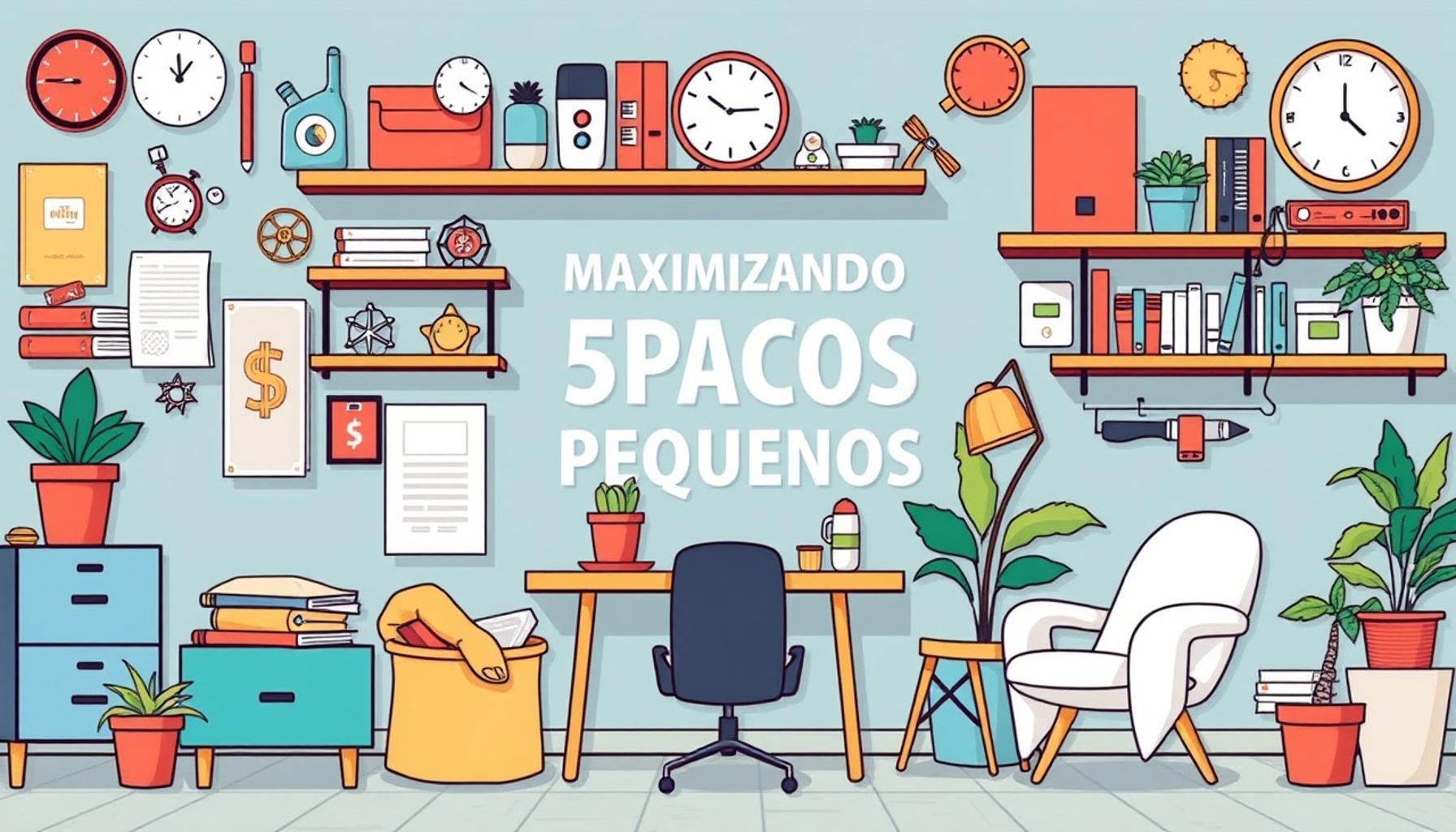
Establishing Priorities: How Minimalism Can Help in Organizing Projects and Tasks in Small Spaces

Discovering Minimalism’s Role in Organization
In a world filled with constant distractions and overwhelming choices, minimalism emerges as a powerful ally for those striving to organize their projects and tasks effectively, especially in small spaces. This approach transcends mere aesthetics; it fosters clarity and purpose in our daily lives. By focusing on what truly matters, we can streamline our efforts and maximize productivity.
Consider the following benefits of embracing minimalism:
- Enhanced Focus: Less clutter leads to fewer distractions. Studies have shown that individuals working in tidy environments tend to have higher levels of concentration and lower stress levels. For instance, a well-kept desk can enhance your ability to concentrate on critical tasks, reducing the mental noise that clutter often creates.
- Increased Efficiency: A clear workspace allows for quicker decision-making. When your surroundings are uncluttered, you can locate necessary materials swiftly, making the workflow smoother. In a recent survey, many professionals indicated that a minimalist approach helped them complete tasks up to 25% faster.
- Better Time Management: Prioritizing essential tasks helps in allocating time wisely. By identifying what is truly important, individuals can spend time on high-impact activities rather than getting bogged down in less consequential tasks. This shift can lead to a more fulfilling work-life balance.
Many Americans struggle to find balance amidst a growing list of responsibilities and cramped living environments. This struggle often results in stress and a sense of overwhelm. Minimalism invites individuals to reassess their assets, be they physical items or mental commitments, to curate what is genuinely essential for their personal and professional growth.
For example, consider a small apartment in a bustling city. By adopting a minimalist mindset, the resident may decide to declutter their space, keeping only functional furniture and essential items. This not only clears physical space but also improves their mental clarity and enhances the quality of life.
Through the lens of minimalism, organizing projects and tasks can become not just achievable, but enjoyable. The joy of crossing off a prioritized item on your to-do list can be amplified by the knowledge that you are acting on what truly matters to you. Are you ready to embark on a journey where simplicity meets clarity? Explore how minimalism can transform your approach to tackling the chaos of everyday life.
Creating a Framework for Success with Minimalism
To fully appreciate how minimalism can be a game-changer in organizing projects and tasks within small spaces, it’s essential to understand the principles that drive this philosophy. At its core, minimalism is about making conscious choices that reflect your values and priorities. This intentionality allows you to evaluate what is necessary and what can be eliminated. Let’s explore some practical steps to apply minimalism in managing your projects and tasks effectively.
Identifying Your Core Values
Before diving into organization methods, it’s crucial to ask yourself: what do you value most? Aligning your projects with your core values can simplify decision-making and enhance focus. Consider questions like:
- What are my top three priorities right now? – Identifying these can help you determine what projects deserve your attention.
- What activities bring me the most fulfillment? – Prioritizing tasks that provide joy or satisfaction can lead to a more enriching experience.
- Are there commitments that I can let go of? – Freeing yourself from obligations that do not align with your values creates more space—mentally and physically.
Decluttering Your Task List
Once you have a clear understanding of your values, take a hard look at your current list of tasks. Embrace the minimalist approach by identifying which items genuinely contribute to your primary objectives. You can apply the following techniques to declutter:
- The Two-Minute Rule: If a task takes less than two minutes, do it immediately. This prevents small tasks from piling up and overwhelming you.
- Prioritization Matrix: Use a simple grid to categorize tasks based on urgency and importance. This tool can reveal which tasks are time-wasters and which are crucial milestones.
- Set Clear Deadlines: Assign completion dates for top priorities. This not only keeps your projects on track but also helps you prevent procrastination.
Establishing a Sustainable Routine
As you clear out distractions, it’s vital to establish a routine that sustains your newfound focus. Creating rituals around planning and execution will ground your efforts in consistency. Consider implementing:
- Weekly Reviews: Set aside time each week to review your priorities and re-align your tasks. This act fosters a habit of reflection and reorganization.
- Timed Work Sessions: Adopt techniques like the Pomodoro Technique, where you work in focused bursts followed by short breaks. This can keep your mind sharp and engaged.
- Mindfulness Practices: Integrating mindfulness into your routines will enhance your ability to remain present and deliberate in task management.
By framing your approach to productivity through the lens of minimalism, you’re not just organizing your physical space but also enriching your mental landscape. The simplicity of prioritization allows you to declutter your projects and tasks, making the whole process more enjoyable. With wealth of data supporting these strategies, it’s time to embrace minimalism as a cornerstone of effective organization in your small-space projects. Are you ready to streamline your life and focus on what truly matters?
| Advantages | Description |
|---|---|
| Enhanced Focus | By eliminating distractions and clutter, minimalism allows for improved concentration on essential tasks. |
| Simplified Planning | Minimalist approaches streamline decision-making processes, making it easier to establish priorities and maintain productivity. |
The concept of minimalism is revolutionizing how we approach organization within small spaces. When it comes to implementing effective strategies, understanding these advantages can not only assist in managing space but also improve overall productivity. Through enhanced focus, individuals can find clarity in their priorities by removing non-essential items from view, thereby allowing them to devote their attention fully to what truly matters. Additionally, the simplified planning process that minimalism encourages empowers individuals to make swift decisions with greater confidence. This leads to more effective project management, where tasks can be tackled systematically rather than being overwhelmed by unnecessary details. The synergy between minimalism and productivity can be illuminating. By embracing this philosophy, you invite an opportunity not just to organize your physical spaces but also to refine your mental frameworks, setting the stage for success in your endeavors.
Streamlining Your Workspace for Maximum Efficiency
Once you’ve identified your priorities and decluttered your task list, it’s time to turn your attention to your workspace. The physical environment where you tackle projects significantly impacts your productivity. In small spaces, every square foot counts, and implementing minimalist principles can maximize efficiency. Here are some strategies to enhance your workspace:
Optimize for Functionality
In a minimalist approach, functionality reigns supreme. Begin by assessing your workspace and eliminating items that do not serve a clear purpose in your projects. Consider the following:
- Multi-functional Furniture: Use furniture that serves multiple purposes, such as a desk that doubles as storage. This not only saves space but ensures you have everything at your fingertips.
- Vertical Storage Solutions: Utilize wall-mounted shelves or pegboards to keep tools and supplies off your desk. This practice not only conserves workspace but also adds an artistic touch to your environment.
- Defined Zones: Create specific areas for particular tasks. For example, have a designated zone for creative work, another for administrative tasks, and a space for relaxation. This helps in mentally categorizing your responsibilities, reducing overwhelm.
Embrace Digital Solutions
In the digital age, organizing projects digitally can be a transformative aspect of minimalism. It reduces clutter not only in your physical space but also in your mind. Transitioning to digital tools allows for sustainability and flexibility. Here are some digital methods to consider:
- Task Management Apps: Leverage portfolio management software like Trello or Asana, which enables you to organize tasks visually. These platforms allow you to break down projects into actionable steps and track progress effortlessly.
- Cloud Storage: Instead of printing documents or storing items physically, utilize cloud services like Google Drive or Dropbox to keep vital information accessible yet minimized. This way, you can retrieve files quickly without physical clutter.
- Digital Calendar: Sync all tasks and deadlines into a digital calendar like Google Calendar. Notifications and reminders keep you accountable while creating a streamlined view of your obligations.
Practicing the Art of Saying No
Minimalism extends beyond organizing your space; it’s a mindset that encourages you to value your time and energy. Learning to say no is an essential skill in prioritizing tasks. When faced with new commitments, consider:
- Evaluate the Impact: Will this commitment advance your core values? If it does not contribute significantly, it may be wise to decline.
- Assess Your Capacity: Consider how accepting new tasks will affect your existing projects. Are you overstretching yourself? Authenticity lies in recognizing limits.
- Commitment Criteria: Establish a short list of criteria for accepting new projects—this can involve alignment with personal goals, time investment, and overall enthusiasm.
Each step you take to streamline your workspace and practice intentionality brings you closer to a harmonious balance between productivity and calm. By harnessing minimalist principles, you are not simply decluttering your environment but also breathing life into your projects as you embrace organization and focus. As you continue this journey, remember that minimalism is a continuous practice, evolving alongside your values and goals.
Conclusion
In a world where distractions are abundant and space is often limited, adopting a minimalist approach to organizing projects and tasks can be a game-changer. By establishing clear priorities, individuals can streamline their workflow, making it easier to focus on what truly matters. Embracing minimalism is not merely an aesthetic choice; it is a strategic decision that enhances productivity and fosters a sense of calm.
As discussed, simple changes like optimizing functionality, incorporating digital tools, and practicing the art of saying no can dramatically transform how we manage our time and space. By focusing on multi-functional solutions and creating defined zones for tasks, one can cultivate an efficient workspace that maximizes every inch available. Furthermore, engaging with digital platforms for task management can free up both physical and mental clutter, allowing for greater creativity and focus.
Ultimately, minimalism is about making intentional choices that align with our goals and values. This approach encourages an ongoing assessment of both what occupies our space and what claims our time. As you explore these minimalist principles, remember that the journey of organizing projects in small spaces is an evolving process. Embrace the simplification of tasks and commitments, and you will not only reclaim your space but also your peace of mind. Discover the power of minimalism, and unlock your potential to thrive in both chaotic and confined environments.

Beatriz
Beatriz Johnson is a seasoned minimalist and writer with a passion for simplifying the complexities of personal organization and intentional living. With over a decade of experience in decluttering strategies and mindful consumption, she specializes in topics like space optimization, habit simplification, and sustainable lifestyle choices. Through her work on our website, Beatriz empowers readers to embrace minimalism, reduce mental and physical clutter, and create more meaningful, organized lives in today's fast-paced world.