The Importance of Natural Light in Spatial Efficiency: Minimalist Tips for Cozy Environments
The Impact of Natural Light on Home Design
Natural light plays a vital role in how we experience our living spaces. Not only does it enhance our mood, but it also contributes significantly to the spatial efficiency of a room, making a home feel more welcoming and expansive. The influence of sunlight extends beyond mere aesthetics; it is intertwined with our emotional and psychological well-being.
Scientific research suggests that exposure to natural light can have profound effects on our health. For instance, studies indicate that natural light boosts levels of serotonin, a hormone linked to mood regulation. This increase in serotonin can enhance our overall sense of happiness, focus, and productivity. As such, integrating natural light into your environment isn’t just about design; it’s an essential ingredient for a healthier lifestyle.
In addition to elevating mood, the role of natural light is crucial in promoting energy efficiency. By strategically using daylight, homeowners can significantly reduce the dependency on artificial lighting. This not only lowers energy bills but also contributes to a more sustainable lifestyle. For example, homes designed with large windows and skylights allow sunlight to illuminate rooms throughout the day, reducing the need for overhead lights.
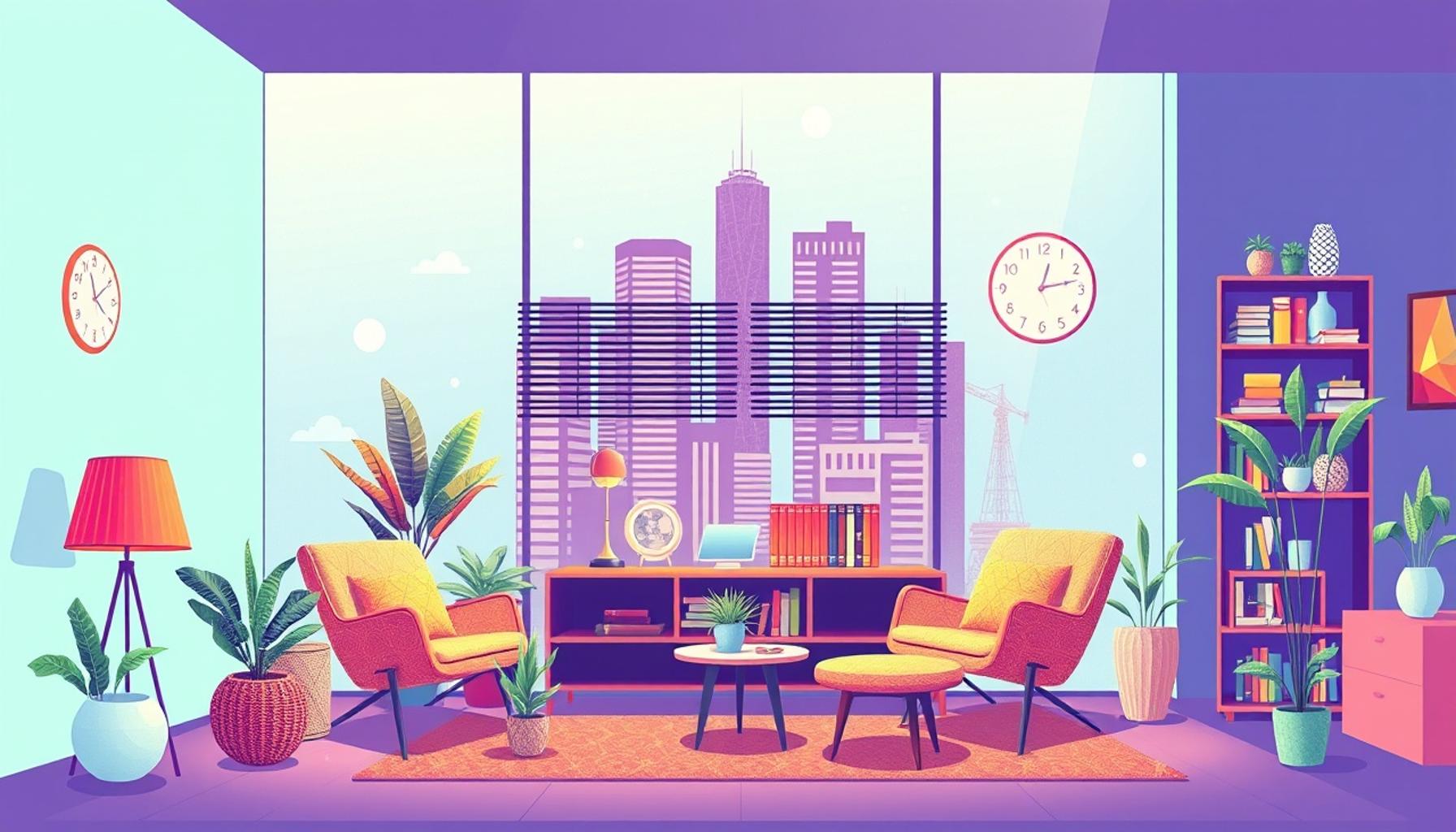
Furthermore, natural light creates a visual connection between indoor spaces and the outdoors, fostering a sense of harmony. This perception extends into the realm of architecture and interior design, with modern home designs increasingly incorporating expansive glass doors and sunrooms. These features allow residents to enjoy unobstructed views of their gardens or nearby landscapes, creating a seamless transition from inside to outside.
As minimalism continues to gain traction among homeowners, it’s essential to explore how lighting can optimize space effectively. Here are some straightforward yet impactful tips for achieving a cozy atmosphere:
- Use Mirrors: Placing mirrors opposite windows or in darker corners can enhance the flow of natural light around your home. This simple trick makes rooms feel more airy and open.
- Choose Light Colors: Implementing a palette of soft, light colors for walls and furnishings ensures that sunlight reflects effectively, creating a brighter and more spacious appearance.
- Keep Windows Clear: To maximize daylight, consider minimalist window treatments or sheer fabrics that allow light to seep in while maintaining privacy. Heavy drapes can block valuable sunlight.
The ability to harness natural light through thoughtful design decisions can truly transform your living space into a warm, inviting haven. By prioritizing natural illumination, you not only uplift your home but also enhance your overall quality of life, creating an environment where comfort and tranquility coexist harmoniously.
Maximizing Natural Light: Strategies for a Spacious Feel
In the quest for spatial efficiency, understanding and harnessing the power of natural light is crucial. Not only does it elevate the ambiance of any room, but it also makes spaces feel larger and more connected. As homeowners lean towards minimalist designs, incorporating natural light efficiently can transform cramped areas into serene and inviting retreats. Here are a few strategies to consider for maximizing natural illumination in your home:
- Strategic Window Placement: Positioning windows to capture the most sunlight is essential. South-facing windows, for example, typically receive the most light throughout the day in the northern hemisphere. This allows for an abundance of natural light, creating warmth and cheer in living areas.
- Open Floor Plans: Minimalist design often employs open floor plans, which allow light to travel unimpeded throughout the home. By removing unnecessary walls and partitions, homeowners can enhance the flow of natural light, making spaces feel interconnected and more expansive.
- Opt for Glass Partitions: Instead of solid walls, consider using glass partitions or sliding doors to create flexibility within the space while still allowing light to filter through. This modern touch maintains privacy without sacrificing brightness.
Beyond mere aesthetics, harnessing natural light directly contributes to energy savings. By allowing daylight to perform the work of artificial lighting, homeowners can considerably decrease energy consumption. The U.S. Department of Energy has indicated that natural lighting can cut lighting costs by up to 75%, significantly benefiting both your wallet and the environment.
Moreover, integrating biophilic design principles—wherein natural elements are incorporated into your living space—can further enhance the benefits of natural light. This approach aligns with our intrinsic connection to nature, promoting health and well-being. Adding plants or using materials that reflect natural textures can create a soothing atmosphere, illuminated by the natural light pouring in.
Interior design choices, such as the finish of furniture and flooring, also play a critical role in how natural light is perceived in a room. Light-colored surfaces reflect sunlight, enhancing the illusion of spaciousness. In contrast, dark colors absorb light, which can make a space feel cramped. Thus, selecting the right materials is integral to achieving a balanced and buoyant environment.
In summary, maximizing natural light in your home goes beyond merely having a few well-placed windows; it encompasses a holistic approach to design and layout. Through thoughtful decisions, you can achieve a minimalist yet cozy home that radiates warmth and space, ultimately leading to a happier and healthier living experience.
The Role of Natural Light in Enhancing Mood and Productivity
Incorporating natural light into your living spaces has far-reaching benefits that extend beyond mere aesthetics. Research indicates that exposure to natural light can significantly enhance your mood, leading to increased productivity and overall well-being. When living or working in spaces flooded with daylight, individuals often experience reduced stress levels and improved concentration. This psychological uplift stems from the body’s circadian rhythms, which respond positively to natural lighting and aid in regulating sleep cycles. Thus, the presence of natural light can create a more inviting and energetic environment, making it an essential element in creating cozy, minimalist spaces.
Design Techniques to Maximize Natural Light
To harness the benefits of natural light, design techniques can be employed that prioritize spatial efficiency and simplicity. Consider opting for open floor plans that facilitate the flow of light through spaces. Additionally, using reflective surfaces such as mirrors can amplify the light, making even smaller areas feel expansive and welcoming. Choose light-colored walls and furnishings, which not only enhance the brightness of a room but also create a serene atmosphere conducive to relaxation. Incorporating large windows and strategically placing furniture to avoid blocking light sources can further optimize the influx of daylight, creating a cozy yet efficient space.
Natural Light and Energy Efficiency
Utilizing natural light is not just beneficial for mental well-being; it also stands as an ecological choice. Fewer artificial lights mean decreased energy consumption, leading to reduced utility costs and a smaller carbon footprint. By designing spaces that prioritize natural light, homeowners can achieve energy efficiency while simultaneously fostering a comfortable living environment. Implementing skylights, opening curtains during the day, and ensuring adequate window placement are just a few steps to enhance energy efficiency while promoting a harmonious blend of natural light and minimalist design.
| Benefits of Natural Light | Enhancing Space |
|---|---|
| Promotes Well-Being | Creates a soothing atmosphere |
| Boosts Productivity | Enhances focus and energy levels |
| Energy Efficiency | Reduces reliance on artificial lighting |
| Mood Enhancement | Fosters a happier living environment |
Implementing Minimalist Designs for Natural Light
Minimalist design principles are not only visually appealing; they also work synergistically with natural light. By simplifying decor and reducing clutter, minimalist spaces allow light to travel freely, creating a sense of openness and tranquility. Consider using furniture that encourages flexibility, such as multi-functional pieces that can adapt to various needs without overcrowding. Furthermore, keeping windows unobstructed and prioritizing a neutral color palette will not only unify your aesthetic but will also optimize the impact of natural light in enhancing spatial efficiency. By focusing on these principles, individuals can cultivate cozy environments that celebrate the beauty and utility of natural light.
The Role of Color and Material Choices in Enhancing Natural Light
Once you’ve employed design strategies to enhance the presence of natural light, the next crucial step is to focus on elements that can amplify its effects. Color and material considerations can significantly alter how light manifests within a space, further contributing to your home’s sense of spaciousness and warmth.
Color Schemes: Lighter color palettes are a fundamental aspect of minimalism and can have a profound effect on how sunlight is perceived. A predominantly white or soft pastel color palette can effectively reflect light, making confined spaces feel larger and more open. Shades like pale yellows and soft blues can also evoke a sense of tranquility, aligning well with the minimalist ethos of calm and clarity. Accents of darker colors can be used sparingly and strategically, perhaps on a feature wall, to add depth without overwhelming the design. It’s worth noting that varying lighting conditions can shift the appearance of colors, so it’s advantageous to assess colors in different daylight scenarios before making a commitment.
Material Selection: The choice of materials not only contributes to aesthetic appeal but can also enhance the utility of natural light in your home. For instance, reflective surfaces like mirrors or glass not only serve as decorative pieces but also work to amplify natural light. A well-placed mirror can capture and bounce sunlight across a room, creating the illusion of more space. Additionally, glossy finishes on paint or furniture can enhance reflection, brightening up otherwise dim areas. On the other hand, incorporating materials with a matte finish in regions that receive excessive sunlight will help in diffusing harsh light, ensuring comfort without sacrificing brightness.
- Textiles and Fabrics: The textiles you choose can also impact light retention in a room. Opting for sheer window treatments instead of heavy drapes allows sunlight to filter in while still providing a level of privacy. Soft, airy fabrics can accentuate minimal spaces, promoting an unobtrusive ambiance without feeling overly clinical.
- Flooring Choices: The type of flooring you select also contributes significantly to how natural light interacts with your space. Light-colored hardwood floors, laminate, or even light-colored stained concrete can reflect more sunlight than darker counterparts. Rugs and carpets can be integrated strategically to soften spaces without hindering the flow of light; choosing light-colored rugs can help maintain luminosity.
As you pour your creative energy into material choices, consider exploring sustainable options. Eco-conscious materials not only promote a responsible consumption ethos but also often have natural characteristics that blend well with biophilic design principles. For instance, bamboo, cork, and reclaimed wood provide warm textures and tones, all while reinforcing a connection to nature.
Applying these principles of color and material not only complements the minimalist style but also enriches the overall atmosphere of your living environment. By skillfully combining these elements with strategic lighting, you can create a cozy, spacious haven that harmonizes with your lifestyle, perfectly showcasing the profound impact of natural light in achieving a greater sense of spatial efficiency.
Conclusion: Elevating Spaces with Natural Light
In a world increasingly focused on efficient living, acknowledging the importance of natural light in spatial efficiency cannot be overstated. By strategically harnessing sunlight, homeowners can significantly transform their living spaces, creating an inviting atmosphere that fosters comfort and tranquility. Embracing a minimalist approach allows us to declutter not only our physical surroundings but also our mental load, ultimately leading to a more profound appreciation for the natural elements around us.
As outlined, the clever use of color schemes and material choices plays an integral role in enhancing the impact of natural light. Choosing lighter hues and reflective materials can dramatically alter how light interacts within a room, maximizing both brightness and the perception of spaciousness. Moreover, by incorporating sustainable materials and maintaining a focus on simplicity, we create not only aesthetically pleasing environments but also contribute to a more sustainable future.
Ultimately, achieving spatial efficiency in your home is about more than just maximizing physical dimensions; it’s about cultivating a serene retreat that resonates with your lifestyle. Reflecting on these minimalist tips not only allows you to create cozy environments but also encourages a deeper connection to the natural world. As you embark on your design journey, remember that the symbiotic relationship between natural light and minimalist principles is essential in crafting a living space that is both functional and uplifting. Embrace the light, and let it guide the transformation of your home into a personal sanctuary that inspires and rejuvenates.

Beatriz
Beatriz Johnson is a seasoned minimalist and writer with a passion for simplifying the complexities of personal organization and intentional living. With over a decade of experience in decluttering strategies and mindful consumption, she specializes in topics like space optimization, habit simplification, and sustainable lifestyle choices. Through her work on our website, Beatriz empowers readers to embrace minimalism, reduce mental and physical clutter, and create more meaningful, organized lives in today's fast-paced world.