The Aesthetics of Emptiness: Exploring the Impact of Minimalism on Creating Open and Efficient Environments

The Rise of Minimalism in Everyday Life
In an age characterized by consumerism and overwhelming choices, the embrace of minimalism has emerged as a refreshing counterculture. This paradigm shift is not merely about aesthetic appeal; it is a comprehensive re-evaluation of how we utilize space and resources, both materially and mentally. As society gravitates toward simplicity, we discover that creating open environments fosters not only beauty but also practicality, enhancing our daily experiences. This discussion reveals that often, less can indeed be more.
Home Design: Creating Harmonious Living Spaces
In contemporary homes, the shift toward minimalism can be observed in the prevalence of open floor plans. These designs encourage fluid transitions between spaces, merging living, dining, and kitchen areas into one seamless environment. This concept is exemplified by the increasing popularity of homes featuring large windows and minimal interior walls, which invite ample natural light and create an airy atmosphere. For instance, a minimalist home might replace bulky furniture with sleek, multifunctional pieces, such as a coffee table that doubles as storage, promoting organization and tranquility.
Workspaces: Boosting Efficiency and Focus
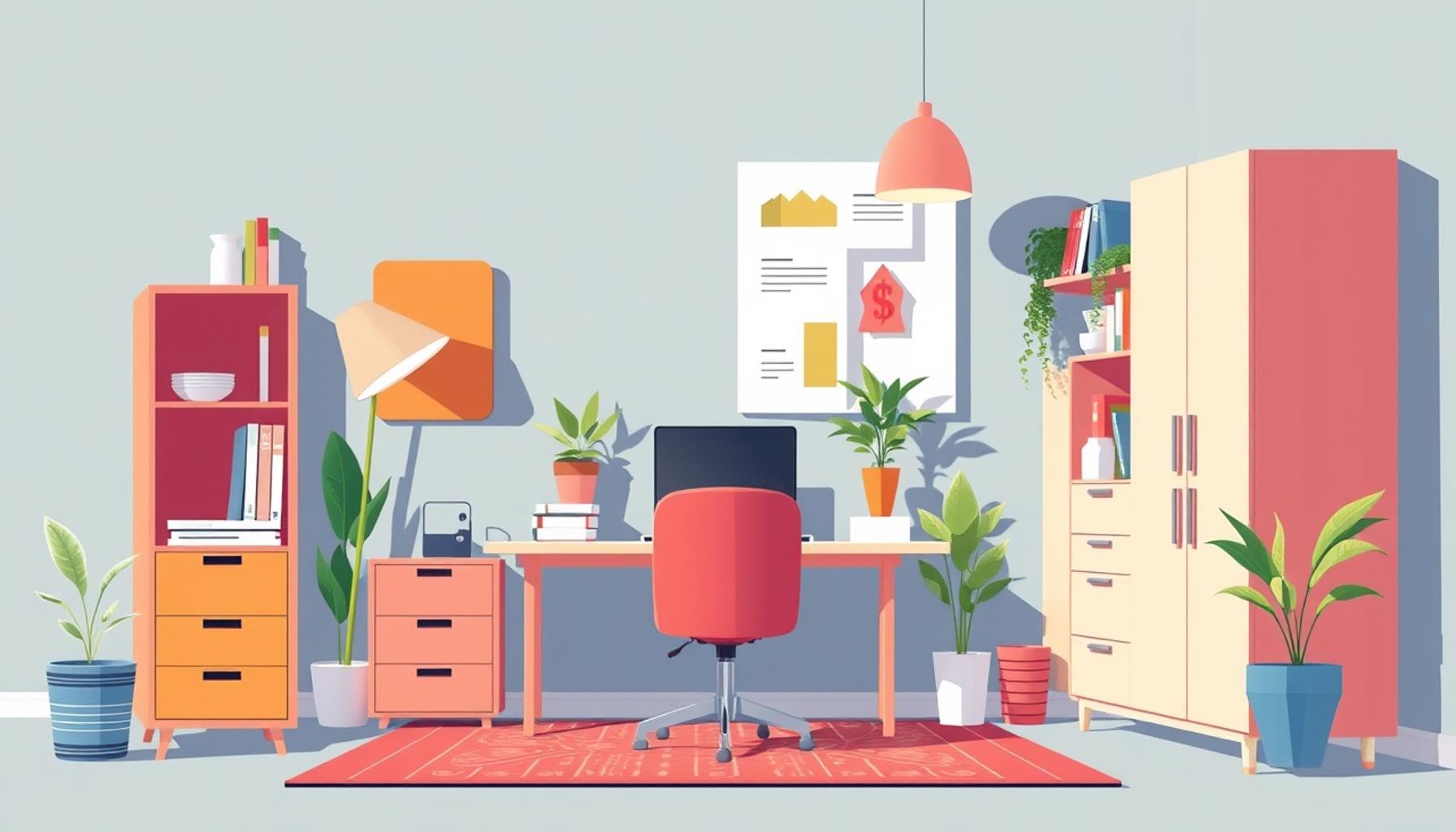
Similarly, the influence of minimalism is evident in the design of modern workspaces. Organizations are recognizing that streamlined offices, characterized by clean lines and a reduced color palette, not only minimize distractions but also enhance productivity. Companies like Google and Apple have adopted minimalist designs in their headquarters, focusing on open workspaces that encourage collaboration while eliminating unnecessary clutter. Employees report feeling less overwhelmed in these environments, demonstrating the significant connection between space design and work performance.
Digital Interfaces: Simplifying User Experience
The impact of minimalism transcends the physical realm and reaches our digital experiences. Many popular apps and websites have embraced the clean layouts associated with minimalist design. For instance, the home screen of a smartphone often prioritizes essential applications, reducing visual clutter and enabling quicker navigation. This shift has a direct impact on user satisfaction, as consumers increasingly favor platforms that foster an uncomplicated and efficient interaction. This trend has led designers to adopt a ‘less is more’ mantra, encouraging the removal of superfluous features that complicate user tasks.
The Aesthetics of Emptiness: Cultivating Calm and Clarity
The aesthetics of emptiness associated with minimalism instills a sense of calm and clarity, resonating deeply within American culture. As people become more conscious of their surroundings, they are prompted to question their relationships with objects and space, often distinguishing between needs and wants. This introspection often translates into lifestyle changes—whether it’s decluttering a home or simplifying a schedule—signaling a broader cultural movement toward mindfulness.
Reflecting on Minimalism’s Broader Impacts
As we delve deeper into the principles of minimalism, its profound effects on personal and professional environments become strikingly apparent. Whether it’s a reduction of stress through simpler living or enhanced creativity by limiting distractions, minimalism invites individuals and corporations alike to rethink their approaches to space and functionality. In an increasingly complex world, this simple yet profound philosophy encourages us to seek balance, making way for meaningful connections amid the noise.
The Aesthetics of Emptiness: Discovering Freedom in Space
At the heart of the minimalist movement lies a philosophy that celebrates emptiness not as a void to be filled, but as an opportunity for tranquility and focus. This perspective is reshaping not only our homes but also our workspaces, digital environments, and even our personal lives. The elegance of minimalism encompasses a deliberate selection of elements that fosters clarity, efficiency, and serenity. By consciously choosing what to incorporate into our surroundings, we uncover the profound aesthetic and functional benefits of creating open spaces.
The Psychological Benefits of Minimalism
Research has shown that cluttered environments can lead to increased stress and anxiety. The sensory overload of multiple objects vying for our attention can distract and overwhelm, making it challenging to concentrate. In contrast, minimalism promotes a calming aesthetic that encourages mindfulness. Psychological studies indicate that individuals in minimalist spaces often report feeling more at ease and centered, enabling better decision-making and enhanced focus. By simplifying our environments, we create a backdrop conducive to creativity and productivity, whether at home or work.
Design Principles: Less is More
The design principles of minimalism rely on a few key elements that contribute to creating effective spaces. These principles include:
- Functionality: Each item in a minimalist space should serve a purpose. This ensures that everything has its place, reducing chaos.
- Simplicity: Clean lines and a limited color palette enhance visual clarity, allowing for easier navigation through physical and mental spaces.
- Intentionality: Every piece of furniture or decor should be thoughtfully chosen, reflecting personal values and aesthetics rather than arbitrary trends.
- Light: Natural light plays a pivotal role in minimalism. Large windows or skylights invite the outdoors in, creating bright and inviting atmospheres that promote well-being.
These principles not only yield an aesthetically pleasing result but also foster environments conducive to peace and innovation. In this context, the design of homes and offices becomes a platform for optimizing individual potential, encouraging individuals to rethink how they interact with their spaces.
Minimalism in Public Spaces: Reimagining Urban Design
The impact of minimalism extends beyond personal environments; it is increasingly influential in urban planning and public spaces. Cities across the United States are adopting minimalist design approaches to create open parks, clean streets, and community spaces that prioritize functionality and accessibility. Projects promoting pedestrian-friendly environments are becoming more prevalent, as urban designers aim to reduce congestion while facilitating social connections. For example, cities like Seattle and San Francisco have invested considerably in developing open public plazas that emphasize green space and community engagement.
Ultimately, this movement towards minimalism reveals an underlying quest for balance in our increasingly hectic lives. As we peel away the layers of excess, we not only find beauty in simplicity but also efficiency in functionality, enabling us to thrive in our evolving society. The aesthetics of emptiness is not merely about what we eliminate, but about redefining how we perceive space and experience life itself. As we continue to explore these themes, the practical implications of minimalism will undoubtedly usher in a future defined by less clutter and more clarity.
The Aesthetics of Emptiness
The aesthetics of emptiness, a fundamental principle of minimalism, emphasizes the beauty of simplicity and space. Environments designed with this philosophy in mind are not just visually appealing; they significantly enhance psychological well-being. Studies have indicated that minimalism can foster mental clarity and reduce feelings of anxiety. Open spaces encourage better flow and movement, promoting a sense of freedom and tranquility, which can lead to increased productivity and overall satisfaction in both residential and commercial settings.
Additionally, the impact of minimalism extends beyond aesthetics; it transforms how we interact with the world around us. When our environments are devoid of unnecessary clutter, we find it easier to focus on the task at hand. This principle applies particularly well in workplaces, where open office designs have been shown to increase collaboration and creativity among teams. The intentional use of space can also affect sound dynamics, leading to environments that feel calm and conducive to thought.
| Advantages of Minimalism | Impacts on Environment |
|---|---|
| Enhanced Focus | Minimized distractions promote concentration. |
| Increased Space | Open areas allow for visual and physical freedom. |
The principles of minimalism encourage the careful selection of elements in living and working spaces. By prioritizing functionality over excess, individuals can create environments that reflect clarity and purpose. Furthermore, the ongoing conversation about minimalism highlights its role in sustainability. Choosing fewer, quality items not only reduces waste but also fosters a deeper appreciation for our surroundings. As we explore these connections, it becomes evident that embracing the essence of emptiness can significantly enhance our everyday experiences.
Transforming Retail Spaces: The New Shopping Experience
In recent years, the prevalence of minimalism has also permeated the retail sector, transforming how consumers experience shopping. Major brands are adopting minimalist design principles to create inviting environments that prioritize the customer’s emotional connection to products over overwhelming choices. Stores now frequently incorporate fewer items on display, opting for strategically curated selections that speak to the essence of brand identity.
Retail giants like Apple have led the way in this movement, cultivating an environment that highlights product functionality and design while eschewing excess decor. Apple stores emphasize clean lines, open spaces, and ample room for customers to interact with products. The empty spaces draw attention to the products themselves, allowing for a more engaging and contemplative shopping experience. This shift not only builds a strong brand image but also amplifies customer satisfaction, as buyers enjoy a less frantic atmosphere.
Sustainability Meets Minimalism
The minimalist ethos is becoming increasingly intertwined with the concept of sustainability. In a world grappling with overconsumption and environmental degradation, the call for mindful consumption aligns seamlessly with minimalist principles. By focusing on fewer, high-quality products that are built to last, consumers are encouraged to prioritize sustainability in their purchasing decisions. Brands such as Everlane and Patagonia reinforce this ideal by creating products designed with environmental impact in mind, thus fostering a culture of ethical consumption.
Furthermore, minimalism in design is often paired with sustainable materials and practices. Nature-inspired materials, recycled products, and eco-friendly manufacturing processes all complement minimalist style while encouraging environmental responsibility. As consumers become more conscious of their ecological footprint, the appeal of minimalism as a lifestyle choice and its effects on creating efficient environments continue to grow.
Intuitive Digital Spaces: Streamlining Technology with Minimalism
Minimalism’s influence is not confined to physical spaces; it has made significant strides in the digital realm as well. User interface (UI) and user experience (UX) design have shifted towards more minimalist aesthetics, prioritizing clarity and ease of use. Technology companies, like Google and Airbnb, have embraced a clean aesthetic, focusing on functional design that allows users to navigate their platforms effortlessly. This approach limits distractions found on overly complex interfaces, enhancing user satisfaction and engagement.
In web design, minimalism translates to faster load times, fewer visual clutter, and greater accessibility—all factors critical in an increasingly digital world. The trend toward responsive designs that adapt to user needs further underscores the importance of creating efficient digital environments. By stripping away non-essential elements, developers are improving not only the aesthetic appeal but also the functionality of digital spaces.
As consumers and creators embrace minimalism, the ongoing exploration of how emptiness can elevate functionality continues to expand. The synergy of form and purpose is being redefined as architects, designers, and brands collaborate to create spaces—whether physical or digital—that prioritize simplicity and intentionality.
Conclusion: Embracing the Power of Minimalism
The exploration of minimalism reveals its profound ability to reshape our environments and experiences. From the tranquil aesthetics of residential spaces to the focused atmospheres of retail environments, the impact of emptiness in design promotes a sense of clarity and purpose. By stripping away excess, we uncover not only the beauty of simplicity but also the efficiency that minimalism cultivates in our daily lives.
As we witness the integration of sustainable practices within minimalist frameworks, it becomes evident that this ethos is not just about aesthetics but also about fostering a mindful approach to consumption. Brands that prioritize quality over quantity are redefining our relationship with products, urging us to make more intentional choices that align with broader ethical considerations. This shift is especially pertinent in a society increasingly concerned with the environmental implications of overconsumption.
Furthermore, the influence of minimalism extends seamlessly into the digital landscape, where clarity and usability reign supreme. As technology continues to evolve, delivering efficient user experiences through minimalist designs underscores the essential marriage between aesthetics and functionality. In this age of information overload, the minimalist approach provides a sanctuary amid chaos, guiding users through interfaces that emphasize ease and effectiveness.
Ultimately, the aesthetics of emptiness call upon us to appreciate the power of less. By embracing minimalist principles across various domains, we open the door to environments that are not only visually appealing but also fundamentally supportive of enhanced living and working experiences. This inquiry into minimalism invites us to reconsider how we design our lives—fostering surroundings that invite peace, sustainability, and mindful engagement in our ever-evolving world.

Beatriz
Beatriz Johnson is a seasoned minimalist and writer with a passion for simplifying the complexities of personal organization and intentional living. With over a decade of experience in decluttering strategies and mindful consumption, she specializes in topics like space optimization, habit simplification, and sustainable lifestyle choices. Through her work on our website, Beatriz empowers readers to embrace minimalism, reduce mental and physical clutter, and create more meaningful, organized lives in today's fast-paced world.