Minimalism and Functionality: How Eliminating Superfluous Items Can Free Up Space and Create More Pleasant Environments
Embrace the Power of Less
In a fast-paced world, the clutter of excess can often feel overwhelming. Minimalism offers a refreshing antidote, advocating for the removal of superfluous items to enhance functionality and create serene spaces. By focusing on the essentials, we can attain not just physical clarity but also mental tranquility. With the constant barrage of advertisements encouraging consumption, embracing minimalism prompts a contemplative shift in perspective.
Consider these key benefits of adopting a minimalist approach:
- Increased Space: Eliminating unnecessary items opens up valuable room in your home or workspace. For instance, if you live in a small apartment, decluttering can transform your living area into a more spacious and inviting environment, allowing for easier navigation and improved flow.
- Enhanced Aesthetics: Simple and uncluttered environments are visually pleasing and encourage relaxation. A minimalist decor style often employs neutral colors and clean lines, which can evoke a sense of calm and promote better mental health. Imagine coming home to a beautifully arranged space with natural light streaming through clear windows and an absence of clutter distracting your eye.
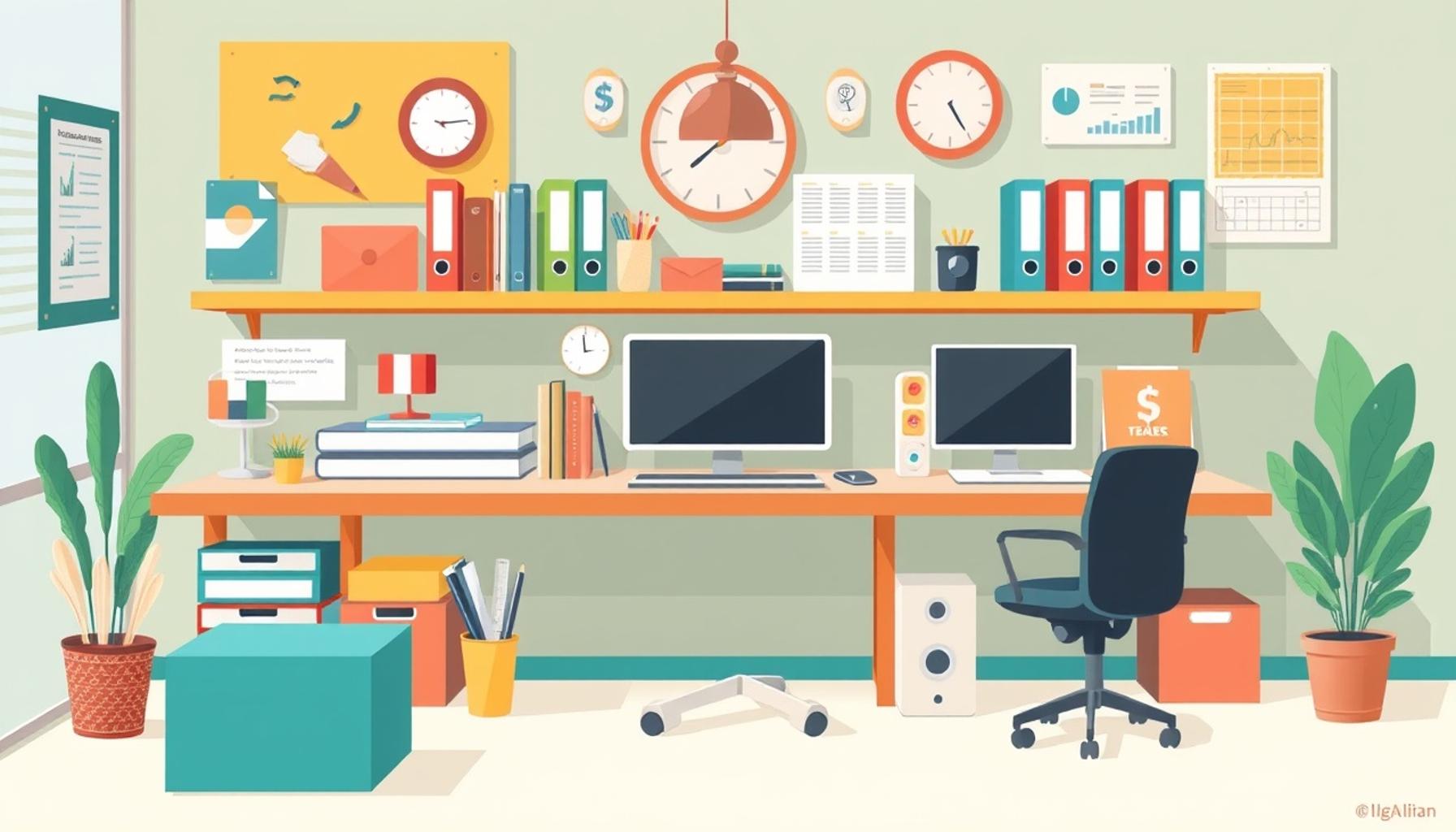
- Improved Productivity: A more organized space can lead to better focus and efficiency in daily tasks. Research has shown that a clutter-free environment minimizes distractions. For example, a well-organized home office can help you concentrate on work projects, leading to higher quality output and quicker completion times.
For many, the journey to minimalism begins with a daunting question: What do I truly need? This exploration often leads to surprising discoveries about our habits and desires. It encourages us not only to assess physical possessions but to recognize the value in experiences and relationships over material goods. One approach is the 30-day minimalism challenge, where individuals gradually eliminate one item on the first day, two on the second, and so on, resulting in a deep dive into the significance of each belonging.
Let’s delve deeper into how transforming your environment can cultivate a more pleasant and functional lifestyle. Studies have indicated that fewer possessions can lead to greater happiness. A notable example is the “tiny house” movement, which has gained traction across the United States, highlighting the appeal of living with less while still enjoying life’s simple pleasures. Whether you’re a seasoned minimalist or just starting out, this journey of eliminating the unnecessary promises to unlock a more fulfilling and enjoyable space.
The concept is not merely about discarding things; it’s about making intentional choices that reflect your values and priorities. Adopting minimalism often leads to a more mindful existence where you focus on what truly matters. You’ll find that by embracing the power of less, life can become richer, more satisfying, and remarkably uncluttered.
Understanding the Minimalist Mindset
The philosophy of minimalism extends beyond mere aesthetics; it encompasses a fundamental shift in how we perceive our possessions and their place in our lives. To truly embrace minimalism, one must first understand the emotional and psychological barriers that often lead to accumulation. Many individuals find themselves tethered to possessions due to sentimental value, fear of future needs, or even societal pressures to display wealth through consumption. This often results in a cluttered environment that does not reflect one’s true identity or lifestyle desires.
To challenge these notions, it’s crucial to evaluate items based on their functional value and emotional significance. This often leads to surprising revelations about what truly enhances our well-being. Here are several guiding principles that can help in this evaluation:
- Necessity vs. Desire: Distinguishing between what is essential and what merely brings temporary satisfaction can significantly influence your decision-making process regarding possessions. By prioritizing vital items, individuals can minimize impulsive purchases that clutter their spaces.
- Sentimental Clarity: While it’s natural to hold onto cherished mementos, it’s important to reassess their emotional impact. Asking questions such as, “Does this item bring me joy?” or “Can I honor this memory in a different way?” can help navigate the sentimental entanglement.
- Functionality First: Emphasizing practicality when organizing your space encourages the choice of items that serve specific purposes. Items that don’t contribute to your daily life can be eliminated, freeing up space for those that do.
As you begin to declutter, focus not just on physical items, but also on the mental impact that a tidy space can have on your daily routine. Numerous studies have highlighted that less physical clutter can lead to decreased stress and anxiety, enabling a more focused mindset. For instance, individuals who adopt minimalist principles often report higher productivity levels and improved clarity in decision-making.
This connection between physical environments and mental states is particularly evident in workspaces. In modern American office culture, where long hours and high stress are commonplace, a well-organized and minimalist office can be transformative. Removing unnecessary papers, outdated supplies, and random trinkets creates a streamlined environment conducive to concentration and efficiency, demonstrating that the principles of minimalism can be effectively applied in both personal and professional realms.
Ultimately, embracing minimalism is not just about discarding items but rather about understanding your personal thresholds of comfort and functionality. As you embark on this journey, remember that every choice you make contributes to a larger narrative about how you wish to live your life—one that is intentional, purposeful, and above all, more fulfilling.
| Advantage | Impact |
|---|---|
| Increased Focus | By eliminating distractions, minimalism enhances mental clarity, allowing individuals to concentrate better on tasks. |
| Enhanced Well-being | A decluttered environment promotes feelings of tranquility and reduces anxiety, contributing to overall emotional health. |
| Boosted Productivity | A functional space reduces time spent searching for items, thus maximizing efficiency in daily routines. |
| Time for What Matters | Focusing on essential items allows for more time spent on meaningful experiences and relationships, enriching life fulfillment. |
The concept of minimalism encourages the intentional selection of what items truly enhance our lives. This philosophy fosters a deeper connection not only with our possessions but also with our environment, leading to a more pleasant and serene atmosphere. Embracing minimalism ultimately paves the way for greater functionality within our spaces, fostering creativity and innovation. As you embark on this journey, you may discover the numerous benefits that come from living simply, including the realization that less is indeed more. Engage with this transformative perspective, and your space may evolve to reflect a more meaningful existence.
The Impact of Decluttering on Creative Spaces
In recent years, the trend of minimalism has found its way into various creative fields, from graphic design to interior decorating. The principles of functionality and simplicity are not just aesthetic choices; they serve as key triggers for enhanced creativity. When excess physical distractions are removed, individuals often experience a surge of innovative thoughts and inspiration. For example, successful artists and designers frequently report that their best work emerges from clean, uncluttered environments that allow their minds to roam freely.
Research from institutions like the University of California, Los Angeles (UCLA) has shed light on the psychological effects of clutter. Their studies indicate that a chaotic environment can hinder cognitive functioning, making it difficult to think critically or generate new ideas. Instead, embracing minimalism within creative settings can foster mental clarity, leading to improved focus and original thinking. This emphasis on purity of form and function has become particularly noticeable in the era of digital art, where many creators opt for clean, simple interfaces that eliminate unnecessary distractions.
Minimalism in Everyday Life
The implications of minimalism extend beyond artistic endeavors into everyday life. A common area where this mindset can prove drastically beneficial is in home organization. By systematically assessing and organizing every room, individuals can create impactful changes. For instance, consider the kitchen: eliminating excess utensils, outdated gadgets, and duplicate items not only opens up counter space but also makes cooking more enjoyable and efficient. Similarly, implementing minimalistic principles in the living room can transform it into a serene sanctuary, free from the visual chaos of unnecessary decor.
Moreover, minimalism can positively influence our habits and relationships. By prioritizing experiences over possessions, individuals can cultivate deeper connections with loved ones and enjoy more meaningful interactions. For example, replacing the temptation to acquire the latest gadget with planning a weekend getaway or a local event can lead to a more fulfilling lifestyle. This shift highlights how minimalism is not just about less, but rather more—more time, more freedom, and more joy.
The Digital Dimension of Minimalism
In our increasingly digital world, the concept of minimalism has also found its application in our online spaces. Digital clutter—such as countless emails, unused apps, and disorganized files—can lead to feelings of overwhelm and distraction. Adopting a minimalist approach to technology by streamlining one’s digital presence boosts efficiency and enhances online productivity. Digital decluttering practices, such as unsubscribing from irrelevant newsletters or organizing files into intuitive systems, align closely with traditional minimalism principles. They promise clearer digital spaces that allow for better engagement with essential tasks.
By creating not just a physical but also a digital sanctuary, individuals are better equipped to focus on achieving their goals. The ability to fuse minimalism with functionality across multiple domains—home, workspace, and digital environments—ultimately fosters a unified approach to living that emphasizes clarity and purpose.
Conclusion
The journey into minimalism and functionality reveals a powerful truth: less truly can be more. By actively eliminating superfluous items from our physical, emotional, and digital spaces, we not only create a more aesthetically pleasing environment but also pave the way for emotional and cognitive clarity. As detailed throughout this article, the principle of minimalism extends beyond mere aesthetics; it embodies a philosophy that supports mental agility, fosters creativity, and encourages meaningful connections in our lives.
In homes that breathe tranquility, from kitchens to living rooms, the absence of clutter transforms our day-to-day experiences into opportunities for engagement and joy. The impact of a decluttered environment resonates in personal productivity, providing individuals with the freedom to focus on what truly matters. Furthermore, as our digital lives become increasingly overwhelming, adopting minimalistic practices online just as we do offline can significantly enhance our efficiency and overall satisfaction.
Ultimately, embracing minimalism is not solely about what we discard; it’s about curating a lifestyle rich in purpose and functionality, giving precedence to experiences over possessions. As we navigate through modern living, this shift in perspective presents us with newfound space—both physically and mentally—to explore creativity, enhance well-being, and build lasting relationships. Engaging with minimalism, then, could well be your first step toward creating a more pleasant environment that nurtures fulfillment and joy.

Beatriz
Beatriz Johnson is a seasoned minimalist and writer with a passion for simplifying the complexities of personal organization and intentional living. With over a decade of experience in decluttering strategies and mindful consumption, she specializes in topics like space optimization, habit simplification, and sustainable lifestyle choices. Through her work on our website, Beatriz empowers readers to embrace minimalism, reduce mental and physical clutter, and create more meaningful, organized lives in today's fast-paced world.