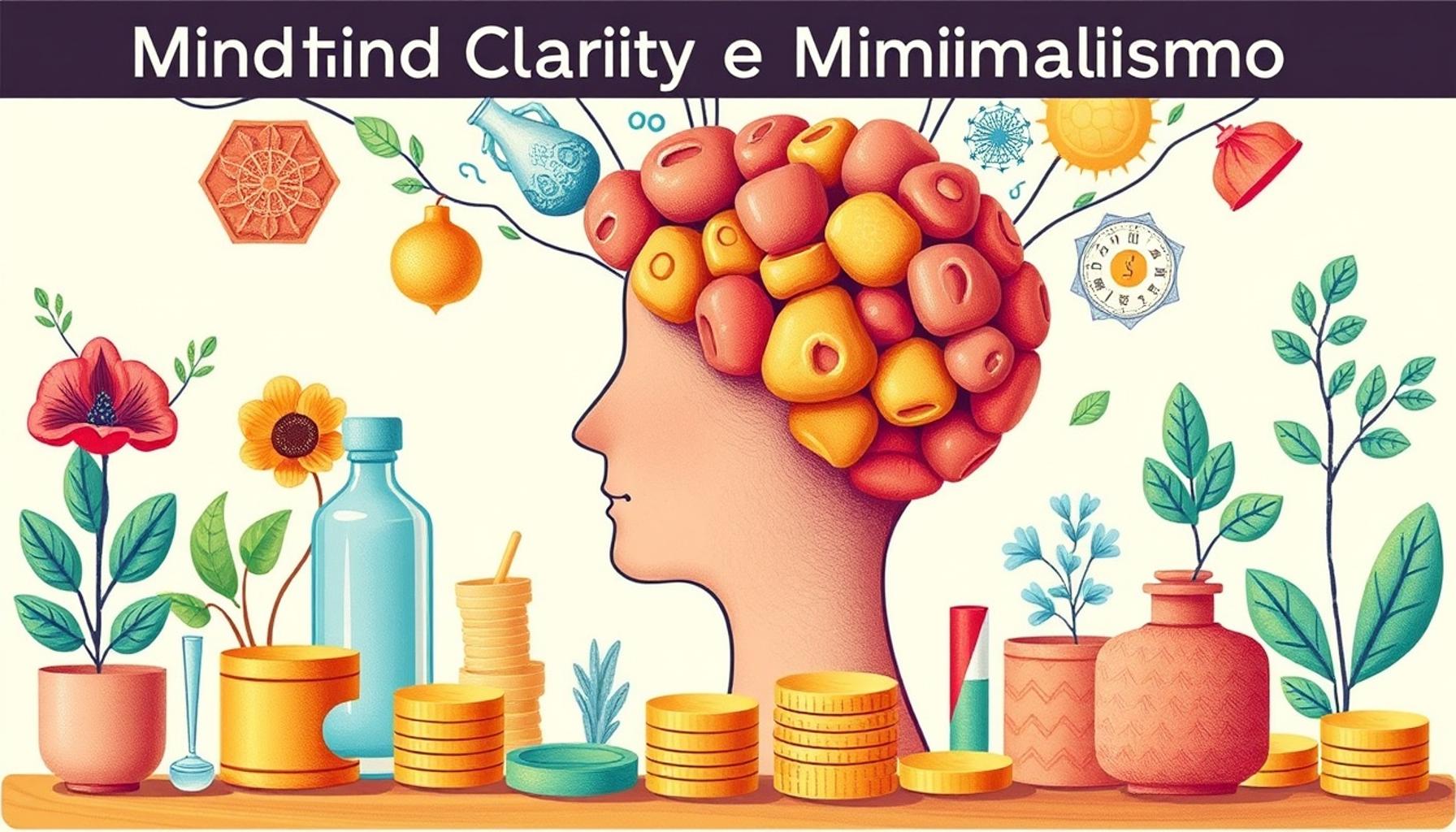
The Impact of Minimalism on Stress Reduction and Mental Clarity

The Rise of Minimalism
In an increasingly cluttered world, minimalism offers a refreshing alternative focused on simplicity and intentionality. This lifestyle is not just about reducing physical belongings; it extends into mental and emotional realms, fundamentally reshaping one’s perspective. As we navigate a society saturated with consumerism and constant stimulation, the minimalist approach emerges as a beacon of clarity and purpose.
Understanding Minimalism
Minimalism emphasizes the elimination of excess, allowing individuals to:
- Reduce distractions that contribute to stress. Imagine walking into a room filled with items competing for your attention; minimalism encourages removing these distractions until only the essentials remain.
- Enhance focus on things that truly matter. By prioritizing meaningful relationships and experiences over material possessions, individuals find greater satisfaction in their lives.
- Encourage mindfulness in daily activities. Mindfulness practices become easier when surrounded by calmness and simplicity, allowing one to fully immerse in the present moment.
By removing the excess noise of life, minimalism creates space for clarity and calm. Studies show that a cluttered environment can lead to increased anxiety and decreased productivity. In contrast, a minimalist approach fosters a clear mind, paving the way for innovative thinking and problem-solving. For instance, renowned design principles employed by tech companies illustrate how a minimalist layout can enhance user experience, reflecting the broader impact of minimalism on daily life.
Benefits Beyond the Surface
The benefits of adopting a minimalist lifestyle extend beyond mere aesthetics. Consider the following:
- Emotional Resilience: Less clutter means less emotional baggage. Many individuals report feeling lighter and more liberated when they declutter, as they let go of items tied to past emotions and memories.
- Mental Clarity: A tidy space allows for a tidy mind. This clarity can free up cognitive resources, fostering creativity and motivation that might otherwise be stifled by chaos.
- Stress Reduction: A simplified life can lead to a more peaceful existence. Research indicates that environments designed with minimalism can help lower cortisol levels, the hormone associated with stress.
As we delve deeper into the impact of minimalism on stress reduction and mental clarity, we invite you to explore how adopting this lifestyle can transform not just your environment, but your entire way of being. The journey into minimalism can take various forms, such as downsizing one’s living space, choosing quality over quantity in purchases, or even embracing a more straightforward digital presence by purging unnecessary apps and emails. Each step taken towards minimalism fosters a sense of empowerment and personal growth that can resonate throughout all areas of life.
Unpacking Minimalism’s Role in Stress Reduction
Minimalism serves as a powerful countermeasure against the chaos that often defines modern life. By actively choosing to reduce both physical and mental clutter, individuals can create an environment that is conducive to stress reduction. The implications of this lifestyle shift are both profound and far-reaching. Research highlights that environments cluttered with objects can overwhelm the senses, leading to an increase in anxiety levels. In contrast, minimalist spaces have been associated with a more profound sense of tranquility and peace.
Creating a Calming Environment
One of the simplest ways to begin cultivating a minimalist lifestyle is by re-evaluating one’s surroundings. This starts with:
- Decluttering Living Spaces: Begin by removing items that are rarely used or no longer serve a purpose. Studies suggest that a tidy environment can lead to a significant decrease in feelings of stress, promoting a sense of control and well-being.
- Simplifying Commitments: Often, the mental load we experience is exacerbated by overcommitment. Simplifying daily obligations allows individuals to focus more on quality rather than quantity, leading to a decrease in stress.
- Designing Intention-Based Spaces: Thoughtfully curated environments, whether through minimalist decor or functional furniture, support a lifestyle that prioritizes functionality and ease. This can directly influence mood and productivity.
Through these focused efforts, individuals can experience a mental shift. The simple act of creating a visually uncluttered space can trigger a corresponding mental clarity, often leading to enhanced focus. Psychology professionals note that our minds thrive in order, and when we surround ourselves with the essential rather than the superfluous, we pave the way for deeper concentration and creativity.
Linking Minimalism and Mental Clarity
Beyond physical spaces, minimalism promotes a streamlined approach to thoughts and emotions. By reducing distractions, individuals allow their minds to engage more fully in the present. This has various benefits:
- Improved Cognitive Function: When one is not bombarded with excess sensory information, cognitive resources are freed, allowing for innovative and clearer thinking.
- Enhanced Problem-Solving Skills: A decluttered mind can approach challenges with fresh perspectives, bypassing mental blocks that often arise from overwhelming options.
- Stronger Emotional Well-Being: Engaging with fewer possessions and commitments fosters emotional resilience, as individuals learn to prioritize what truly enriches their lives.
The exploration of how minimalism contributes to stress reduction and mental clarity reveals a holistic transformation. Embracing minimalism is not merely a fad but rather a profound journey towards personal growth and empowerment, reshaping one’s mental and emotional landscape for the better.
| Advantages | Description |
|---|---|
| Clutter Reduction | Less clutter translates to a clearer space, contributing to improved focus and decreased anxiety. |
| Enhanced Decision-Making | Minimalism simplifies choices, leading to faster and more confident decisions, ultimately reducing mental fatigue. |
| Mindful Living | Encourages mindfulness and self-reflection, prompting individuals to prioritize what truly matters in life. |
| Financial Freedom | Adopting minimalism can lead to reduced spending, fostering a sense of financial stability and peace of mind. |
Urban spaces often overwhelm us with choices and distractions. Minimalism, with its emphasis on simplicity, offers a pathway to navigating through this chaos, making it important for mental clarity and stress relief. The practice of decluttering is known to have psychological benefits, as a clean environment promotes a sense of peace. Moreover, it actively encourages us to hone our decision-making skills by reducing the number of options we face daily.Incorporating minimalism into our lives fosters mindfulness, which further enriches our cognitive health. By stripping away excess, we can focus on the essential aspects of life that truly resonate with our values and aspirations. This shift in focus not only brings clarity but can also enhance our overall well-being, making minimalism a transformative lifestyle choice worth exploring.
Navigating Minimalism’s Influence on Life Choices
As individuals embrace a minimalist lifestyle, they often report significant shifts in their life choices, aligning their actions more closely with their core values. This transformation not only aids in stress reduction but also enhances mental clarity. By prioritizing what is essential, individuals are empowered to make more intentional decisions, both in their personal and professional lives.
Prioritizing Health and Well-Being
One of the most impactful areas of minimalism is its influence on health and wellness. By simplifying their lives, individuals can more effectively allocate time and energy towards self-care practices. Key elements include:
- Mindful Eating: With fewer distractions, individuals are more likely to make conscious food decisions that prioritize health over convenience. This mindful approach can lead to improved dietary habits, reducing stress linked to poor nutrition.
- Regular Physical Activity: Focusing on a minimalist approach often means carving out time for exercise rather than squeezing it into an already crowded schedule. Regular physical activity is widely recognized for its role in decreasing anxiety and enhancing mood.
- Quality Sleep: A clutter-free environment can promote better sleep hygiene, as serenity in surroundings often translates to tranquility in the mind. Many minimalists report improved sleep patterns, which contribute significantly to greater mental clarity.
This emphasis on health and well-being aligns with emerging research that shows a relationship between reduced stress levels and improved overall health. For instance, a study published in the journal *Health Psychology* indicates that individuals who adopt minimalistic habits often experience lower levels of cortisol, a hormone associated with stress.
Cultivating Mindfulness Through Minimalism
In addition to health benefits, minimalism fosters a culture of mindfulness, encouraging individuals to live in the moment. This practice of being present can produce substantial mental benefits, including:
- Diminished Anxiety: Practicing mindfulness helps to alleviate the weight of future worries, as attention is refocused on what is occurring right now, promoting an overall feeling of calm.
- Greater Appreciation for Simplicity: Minimalism encourages individuals to find joy in life’s simpler pleasures, from a beautiful sunset to a warm cup of coffee. This appreciation can cultivate happiness and diminish stress.
- Improved Resilience: By learning to embrace simplicity, individuals often become more adaptable in the face of life’s challenges. This adaptability strengthens emotional resilience, making it easier to navigate stressors.
The growing popularity of mindfulness practices in the United States underscores the connection between minimalism and emotional well-being. Research shows that those who integrate mindfulness into their lives often report reduced anxiety and enhanced mental focus, aligning seamlessly with the goals of minimalism.
As individuals continue to explore the impact of minimalism on stress reduction and mental clarity, they find that this lifestyle choice is less about depriving oneself and more about enriching life through intentionality. With practical steps and profound shifts in perspective, minimalism serves as a transformative pathway leading toward a fulfilled and balanced life.
Conclusion: Embracing Minimalism for a Brighter Mind
In the quest for well-being, minimalism emerges as a compelling approach to stress reduction and enhanced mental clarity. This lifestyle choice transcends the mere act of decluttering; it invites a shift in mindset that prioritizes intentionality and mindfulness. By stripping away the excess—whether it be physical belongings, unproductive activities, or overwhelming commitments—individuals are better equipped to focus on what truly matters. The links between minimalism and improved health outcomes signify that making space for what enriches life may directly contribute to lower stress levels.
Research corroborates the positive effects of this lifestyle choice, demonstrating that individuals who adopt minimalist behaviors often report decreased anxiety and improved emotional resilience. Additionally, the enhancement of mindfulness through minimalism fosters an appreciation for simplicity, allowing people to savor everyday moments that often go unnoticed amidst the chaos of modern life. These benefits encourage a proactive approach to well-being that can lead to lifelong transformations.
As more people in the United States and beyond gravitate towards minimalism, embracing this philosophy may serve as a powerful tool for navigating the complexities of contemporary living. It invites individuals to ask important questions about their priorities, ultimately leading to a more centered, focused, and fulfilling existence. For those seeking clarity in their daily lives, minimalism may offer not just a way to reduce stress but a path to reclaiming joy, purpose, and well-being.

Beatriz
Beatriz Johnson is a seasoned minimalist and writer with a passion for simplifying the complexities of personal organization and intentional living. With over a decade of experience in decluttering strategies and mindful consumption, she specializes in topics like space optimization, habit simplification, and sustainable lifestyle choices. Through her work on our website, Beatriz empowers readers to embrace minimalism, reduce mental and physical clutter, and create more meaningful, organized lives in today's fast-paced world.