
The Power of Empty Space: How Simple Living Increases Mental Clarity
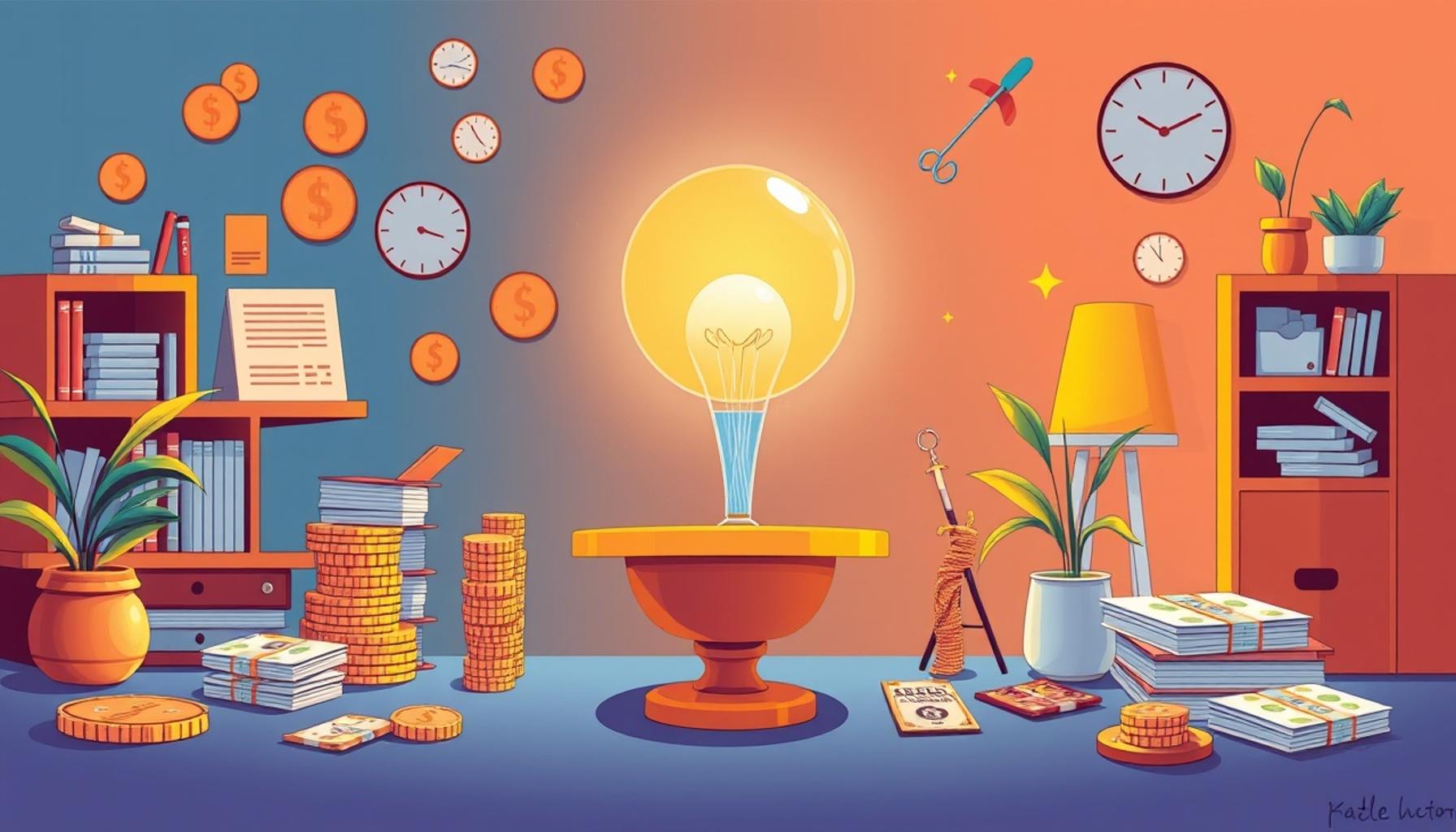
The Beauty of Embracing Minimalism
Imagine stepping into a room that radiates a sense of tranquility—a space where each object serves a purpose, and nothing is superfluous. This atmosphere of breathtaking simplicity is more than just visually pleasing; it plays a crucial role in fostering mental clarity and emotional well-being. In an age where our lives are often overflowing with distractions, the practice of minimalism offers an oasis of calm.
As we navigate our busy routines, stress and chaos can easily become overwhelming. The pursuit of a minimalist lifestyle can lead to transformative benefits, such as:
- Increased focus on what truly matters, enabling us to prioritize our values and goals.
- A clearer thought process, free from the clutter that often clouds our judgment and creativity.
- A heightened sense of peace and well-being, reducing the mental fatigue associated with consumer culture and excess.
Research suggests that environments stripped of unnecessary items can significantly enhance creativity and productivity. For instance, a study published in the journal Psychological Science revealed that participants performed better on creative tasks when they were in organized, minimal settings. This underscores that a minimalist approach not only transforms our physical surroundings but also serves as a vital pathway to achieving cognitive clarity and emotional serenity.
Embracing simple living can take many forms. You might start by decluttering your home—donating items that no longer serve you, which is not only cathartic but contributes to a shared sense of community. Additionally, you can simplify your schedule by saying no to commitments that don’t align with your core values, freeing up time to invest in personal relationships or hobbies that truly spark joy. Furthermore, focusing on experiences rather than possessions can lead to richer, more fulfilling living—consider trips, family gatherings, or participating in local events as priceless over material items.
As this journey unfolds, you’ll find that mental clarity through simple living is not just a trend but can lead to lasting change. In the following sections, we will explore practical techniques for creating more empty space in your life and discuss how these changes can significantly improve both your mental clarity and overall sense of well-being.
The Transformative Effects of Decluttering
When we think about empty space, many envision a sparsely decorated room or a minimalistic lifestyle. However, the significance of empty space goes far beyond aesthetics; it can reshape our cognitive and emotional landscapes. By actively removing the distractions and chaos that often crowd our environments, we unlock the potential for enhanced mental clarity. This transformation starts with one crucial step: decluttering.
Decluttering is not merely about reducing physical possessions; it is a holistic practice that encourages introspection and mindful living. As we embark on this journey, we often uncover deeper insights about our values, desires, and intentions. The act of letting go serves as both a metaphor and a practice for simplifying our lives. Studies have shown that clutter can lead to increased stress levels, ultimately affecting our mood and productivity. A study by the American Psychological Association highlighted that individuals in cluttered environments reported higher levels of anxiety and stress, pointing to a correlation between our surroundings and mental health.
One of the most effective methods for decluttering is the Marie Kondo method, which encourages individuals to keep only those items that “spark joy.” This approach invites us to engage deeply with our possessions, challenging us to assess what is truly meaningful. As we sift through our belongings, we begin to prioritize items that add genuine value to our lives. Over time, the culmination of these decisions leads to environments that are both functional and peaceful.
Moreover, decluttering extends beyond physical items to encompass our digital lives. In an era dominated by technology, our devices often become oversaturated with apps, emails, and files vying for our attention. By simplifying our online presence—unsubscribing from unnecessary newsletters, organizing our files, and deleting unused apps—we create a sense of digital clarity that translates into less mental clutter. This step is equally important in achieving a more tranquil mental state, as studies indicate that digital distractions can significantly decrease our ability to concentrate and make decisions effectively.
Incorporating moments of stillness into our daily routines can further enhance the effects of minimalism. Practices such as meditation, yoga, or simply taking a quiet walk in nature can create the empty space needed for reflection. By fostering an environment that promotes calm and focus, we can sift through the noise of daily life and hone in on our core objectives.
- Regularly evaluate your personal belongings and consider what truly contributes to your life.
- Adopt digital decluttering techniques to minimize distractions and streamline your online interactions.
- Engage in mindfulness practices that encourage moments of silence and reflection amidst a busy schedule.
By dedicating time and effort to cultivating empty space, we create a foundation for mental clarity and emotional resilience. This journey is not just about minimalism; it’s about embracing a lifestyle that prioritizes our well-being and supports our aspirations. As we proceed, it’s valuable to explore additional strategies that can further elevate our clarity and enhance our lives.
The Transformative Impact of Decluttering
As we delve deeper into the concept of simple living, it’s essential to understand the pivotal role of decluttering our physical environments. The less clutter we accumulate, the greater our ability to concentrate on meaningful tasks and thoughts. Each item we possess carries a mental weight; when we eliminate excess, we lighten that burden. Studies have shown that individuals living in clutter-free spaces often experience lower stress levels and improved productivity. This is linked to the brain’s capacity to focus better in serene environments, free of distractions.Furthermore, the practice of decluttering fosters a sense of control in our lives. The act of making decisions about what items to retain can translate into a clearer mindset overall. This kind of mental clarity is crucial for personal growth, allowing individuals to prioritize what truly matters—their well-being and aspirations. Living simply also invites us to curate a lifestyle centered around quality over quantity. Rather than being defined by excess possessions, we begin to explore deeper connections with experiences, relationships, and self-discovery. In embracing this minimalist approach, people can enhance their emotional health and cognitive function, leading to a life characterized by purpose and intention.In addition to decluttering, the concept of empty space extends to our schedules and commitments. By learning to say no to unnecessary obligations, we create space to focus on activities that genuinely enrich our lives. This principle can significantly reduce the feeling of being overwhelmed, further sharpening our mental clarity. As we prioritize simplicity, we cultivate a richer inner life that encourages creativity and genuine connections with others.To learn more about how simplifying our lives can lead to increased mental clarity, let’s explore practical strategies and delve into the testimonies of those who have transformed their lives through the power of empty space. Implementing these changes can be a pathway not just to clarity, but also to profound personal fulfillment.
Creating a Mindful Environment
Once we begin the journey of decluttering, the next vital step towards achieving mental clarity lies in cultivating a mindful environment. Mindfulness is not just a trend; it is a practice deeply rooted in self-awareness and intention. By creating spaces that reflect our values and aspirations, we uphold the principles of simple living while enhancing our ability to think clearly and creatively.
The importance of one’s environment cannot be overstated. Individuals often overlook how certain elements within their spaces influence their emotional states. For example, studies from the Environmental Psychology sector reveal that natural light significantly impacts our mood and productivity. Spaces that are illuminated by sunlight can elevate feelings of calmness and inspire focus. As such, arranging your furniture to maximize natural light can become a vital strategy in promoting mental clarity.
In addition to light, incorporating elements from nature, such as plants and natural colors, can further enhance the tranquil ambiance. Research conducted by the University of Queensland found that engaging with nature, even in small ways, leads to increased feelings of well-being and happiness. Plants have been shown to reduce stress levels, improve air quality, and foster creativity. These small additions to our living spaces offer a simple yet effective means of inviting calm and clarity into our daily lives.
Moreover, sound plays a significant role in our environments. The auditory landscape of our surroundings can either contribute to a state of calm or lead to mental clutter. Implementing soothing background sounds, such as calming music or nature sounds, can provide a peaceful backdrop that facilitates concentration. Conversely, avoiding excessive noise from television or other distractions can significantly improve our ability to focus and reflect.
- Rearrange your space to utilize sunlight effectively and brighten your mental outlook.
- Add natural elements, such as plants, to breathe life into your environment and promote a tranquil atmosphere.
- Curate your auditory landscape to create a sound environment that supports focus and reduces stress.
Another transformative practice is establishing designated spaces for various activities, which can help anchor your mind and reduce chaos. This practice aligns with the principles of Zoned Living, which emphasizes that different areas should be intended for specific tasks—whether working, relaxing, or socializing. By doing so, we create mental pathways that associate these zones with particular states of mind. When we enter a space designated for work, our brain shifts into a productive mode, whereas relaxing spaces invite us to unwind and rejuvenate.
Furthermore, simplicity can guide our choices in decor and furnishings. Choosing multipurpose pieces or furniture that embodies minimalism encourages an effortless flow throughout the living space. This method reduces visual noise while also enhancing functionality. Smart choices in what we allow in our homes will directly impact our cognitive clarity and emotional peace.
Ultimately, embracing an intentional environment allows us to tap into the true power of empty space. By carefully crafting our surroundings according to our values and needs, we not only invite calm but also cultivate room for inspiration and reflection. This intentionality transforms our spaces into sanctuaries where mental clarity flourishes and our potential is unleashed.
Embracing the Power of Empty Space
In a world saturated with distractions and relentless stimuli, the journey towards achieving mental clarity through simple living has never been more relevant. By understanding the profound impact of our environments, we can harness the power of empty space to foster serenity and creativity. Decluttering not only creates a physical space but also paves the way for a mental reset, enabling us to refocus on what truly matters.
The integration of mindful practices such as maximizing natural light, incorporating nature-inspired elements, and curating our auditory experiences generates environments that uplift our mental state. Zoning our spaces for particular activities enhances productivity and relaxation, transforming our homes into sanctuaries of clarity. Each deliberate choice in our decor and organization matters; it shapes our mental landscape and strengthens our ability to think clearly in a chaotic world.
As we embrace simple living, we invite an opportunity for deeper self-awareness and intention, allowing us to reconnect with our values and aspirations. This conscious approach does more than declutter our physical surroundings; it revitalizes our minds and invigorates our spirits. Thus, the practice of creating space—both physically and mentally—becomes a powerful tool for cultivating a life imbued with clarity, purpose, and peace. In the end, the empty space we so often overlook may hold the key to unlocking our fullest potential.

Beatriz
Beatriz Johnson is a seasoned minimalist and writer with a passion for simplifying the complexities of personal organization and intentional living. With over a decade of experience in decluttering strategies and mindful consumption, she specializes in topics like space optimization, habit simplification, and sustainable lifestyle choices. Through her work on our website, Beatriz empowers readers to embrace minimalism, reduce mental and physical clutter, and create more meaningful, organized lives in today's fast-paced world.