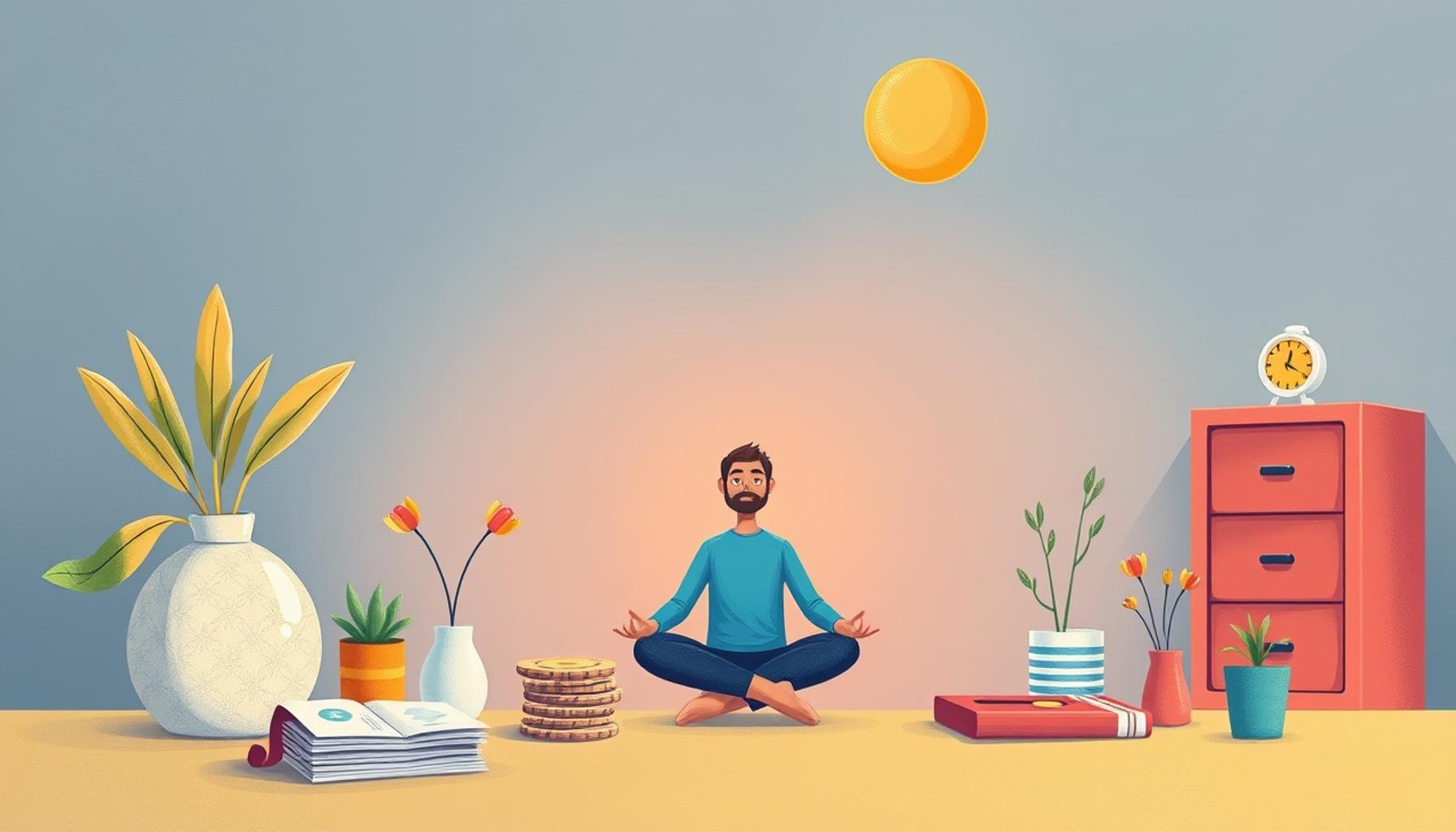
Minimalism and the Limitation of Stimuli: How to Create a Calm Environment to Improve Mental Clarity

Finding Peace in a Noisy World
In today’s fast-paced society, distractions are everywhere. From constant notifications on our smartphones to the overwhelming clutter in our physical spaces, it can be challenging to find a sanctuary of calm. This barrage of stimuli can lead to increased anxiety, reduced productivity, and a growing sense of discontent.
The concept of minimalism offers a pathway to serenity, advocating for a life enriched by simplicity and intentionality. Minimalism encourages individuals to assess their possessions and eliminate what no longer brings joy or serves a purpose. By limiting stimuli, we can cultivate environments that not only enhance our mental clarity but also promote holistic well-being. In a world overflowing with unnecessary distractions, minimalism serves as an antidote—helping us cut through the noise.
Benefits of Minimalism
- Reduces Stress: Fewer objects create less chaos. A cluttered environment can lead to feelings of overwhelm, while a minimalistic space can provide a sense of peace and order.
- Enhances Focus: A cleaner space leads to better productivity. The absence of visual distractions allows for greater concentration on tasks at hand. Studies have shown that individuals in tidy workspaces tend to complete their tasks more efficiently.
- Promotes Mindfulness: Living intentionally encourages presence. By prioritizing quality over quantity in our possessions and experiences, we can engage more fully in the moment, fostering a greater sense of appreciation and fulfillment.
Creating a calm environment involves eliminating excess—both material and sensory. Consider the following approaches to embrace minimalism:
- Decluttering: Remove items that do not serve a purpose. This doesn’t mean disposing of everything; instead, focus on items that bring value to your life. For instance, a well-loved book might remain on the shelf while a broken gadget might need to go.
- Simplifying Colors: Use a neutral palette to create visual peace. Soft whites, grays, and muted tones can ease the eye and reduce feelings of stimulation, creating a relaxing atmosphere in your home or workspace.
- Managing Sound: Incorporate soft music or nature sounds. Background noise can either enhance or detract from our sense of calm. Techniques such as playing soft instrumental music or using nature sound apps can foster a serene soundscape.
As we delve deeper into the principles of minimalism and the limitation of stimuli, it becomes clear that the transformation of our spaces into tranquil havens is not just a personal endeavor. It is a crucial strategy in the pursuit of mental clarity and emotional well-being. By adopting minimalist practices, individuals can reclaim their peace in today’s noisy world, leading to a more intentional and fulfilling existence.
Embracing Simplicity for Mental Clarity
In an era marked by information overload, the principles of minimalism have gained traction as a response to the overwhelming stimuli that permeate our daily lives. As technology continues to advance, our lives are inundated with digital notifications, advertisements, and a relentless stream of information. The impact of these stimuli can be profound, often leading to diminished focus and increased anxiety. By implementing minimalist practices, individuals can forge a path towards a calmer, clearer mindset.
At its core, minimalism is about making deliberate choices regarding one’s possessions and experiences. It goes beyond simply owning fewer items; it’s about prioritizing what truly matters. The journey towards a minimalist lifestyle often begins with the process of decluttering. This entails carefully evaluating what objects fill your space and assessing their value in your life. Common actions during this process include:
- Sorting through belongings: Identify items that evoke joy or serve a functional purpose. Consider donating or recycling items that linger without a significant role in your life.
- Establishing a “one in, one out” rule: To prevent future clutter, adopt a strategy where acquiring a new item necessitates relinquishing an existing one. This simple guideline helps maintain a more intentional collection of belongings.
- Categorizing essential versus non-essential items: Create categories for your belongings to help visualize what is essential. This can streamline the decision-making process when considering what to keep or discard.
In addition to physical decluttering, simplifying your environment extends to other sensory elements. Overwhelming colors or intricate patterns can distract the mind, hindering the tranquil atmosphere you seek. Thus, incorporating a neutral color palette within your home or workspace—consisting of soothing hues such as white, beige, and soft pastels—can significantly enhance the perception of calm.
Furthermore, the way we manage sound plays a pivotal role in fostering mental clarity. Continuous background noise, from traffic to chatter, often interrupts concentration and induces stress. Transitioning to softer soundscapes—such as gentle instrumental music or nature sounds—can create a serene auditory environment that nurtures focus. Consider utilizing sound machines or curated playlists designed to promote relaxation during work or downtime.
As the minimalist journey unfolds, it becomes evident that a conscious approach to the stimuli surrounding us lays the groundwork for improved mental clarity and emotional well-being. By intentionally creating spaces that prioritize simplicity, individuals can reclaim their focus amidst the chaos, leading to a fulfilling and purposeful existence.
| Advantage | Description |
|---|---|
| Increased Focus | By reducing distractions, minimalism enhances one’s ability to concentrate on tasks at hand, leading to improved productivity and creativity. |
| Emotional Clarity | A simplified environment can lead to better emotional regulation, allowing individuals to process their feelings and thoughts more clearly without external chaos. |
| Stress Reduction | An uncluttered space promotes mental peace, which directly contributes to lower stress levels and an enhanced sense of tranquility. |
| Mindfulness Enhancement | Minimalism encourages a mindful living approach, where individuals become more present in the moment, fostering awareness and gratitude. |
Creating a calm environment through minimalism is not merely about decluttering; it cultivates a lifestyle that emphasizes quality over quantity. In addition to the benefits listed above, it also allows individuals to invest in experiences that enrich their lives. For those looking to enhance mental clarity, adopting minimalism can be a profound step towards achieving a more focused and intentional life. By removing unnecessary stimuli, one not only clears physical space but also opens the door to a quieter, more reflective mindset that can lead to further personal growth and satisfaction. The principles of minimalism invite exploration into how we can craft environments that nourish our mental well-being and promote a sense of peace in an often chaotic world.
Creating a Productive Atmosphere Through Mindful Design
While the concepts of decluttering and simplification serve as the foundation for a minimalist lifestyle, the design of your space is equally crucial in cultivating a calm environment. The arrangement of furniture, the choice of decor, and even the placement of plants can significantly impact one’s mental clarity and emotional state. Understanding how to design a mindful space can further enhance the principles of minimalism.
One effective strategy is to embrace an open layout. Reducing barriers within a room can promote a sense of spaciousness, helping the mind feel less confined and more relaxed. Experts in environmental psychology suggest that open spaces can significantly reduce stress levels and enhance cognitive performance. Moreover, incorporating multifunctional furniture allows for flexibility while maintaining a tidy aesthetic. Simple additions such as a coffee table that doubles as storage can minimize clutter while serving multiple purposes.
Additionally, consider the integration of nature into your living or working space. Studies have shown that biophilic design—an approach that seeks to connect occupants with nature—can reduce stress and enhance focus. Plants not only purify the air but also introduce a sense of tranquility and connection with the outdoors. Spaces filled with greenery have been shown to promote creativity and productivity, making them essential in both home and office environments. Popular indoor plants such as snake plants, peace lilies, and pothos are low-maintenance options that can thrive in various indoor conditions.
The concept of zoning within your home also fosters a sense of calm. Designating specific areas for work, relaxation, and socializing can help establish mental boundaries. For instance, maintaining a clutter-free workspace by utilizing designated storage solutions encourages focus and decreases distractions. This principle can extend to other aspects, such as creating a cozy reading nook away from the hustle and bustle of daily life, allowing the mind to unwind.
Lighting plays a vital role in creating an atmosphere conducive to mental clarity. Harsh fluorescent lights often create a sense of tension and discomfort, detracting from focus. Instead, opt for soft, natural light whenever possible. Windows and strategic artificial lighting can create an inviting and calming ambiance. Dimmable lights and lamps featuring warm hues can also contribute to a more relaxed environment ideal for unwinding or reflecting.
Finally, consider the impact of digital minimalism on your mental health. The overstimulation caused by smartphones and countless apps can create a disconnect in focus. Limiting screen time and curating your digital spaces to include only essential apps and notifications can reduce distractions and foster a sense of peace. Engaging in regular digital detoxes can allow individuals to reconnect with their immediate environment and cultivate focus.
Adopting these practices creates a serene and supportive atmosphere that enhances mental clarity. By mindfully designing your space, you can further complement the minimalist lifestyle and support overall well-being, setting the stage for a more intentional and meaningful daily experience.
Conclusion
In a world brimming with distractions and overwhelming stimuli, embracing minimalism and creating a calm environment can significantly enhance mental clarity and overall well-being. By prioritizing simplicity, we shield ourselves from the chaos that often hampers our focus and peace of mind. The strategies discussed, including mindful design, the integration of nature, and the importance of effective lighting, are vital components in transforming our spaces into sanctuaries of tranquility.
Furthermore, establishing designated zones and decluttering not only promotes spatial harmony but also sets psychological boundaries that enrich our ability to concentrate. The addition of plants can breathe life into our surroundings, fostering creativity while simultaneously improving air quality. In light of our digital age, practicing digital minimalism becomes imperative—limiting exposure to screens and notifications allows us to engage meaningfully with the environment around us.
Ultimately, the benefits of a decluttered, serene space reach far beyond aesthetics; they contribute to a more profound state of mental clarity and emotional stability. By adopting and tailoring these principles of minimalism to fit your own lifestyle, you open the door to a more intentional existence—a life marked by reflective thought and purposeful action. It is a call to reassess our environments, both physical and digital, to cultivate a space where clarity thrives and distractions diminish, allowing your true potential to shine.

Beatriz
Beatriz Johnson is a seasoned minimalist and writer with a passion for simplifying the complexities of personal organization and intentional living. With over a decade of experience in decluttering strategies and mindful consumption, she specializes in topics like space optimization, habit simplification, and sustainable lifestyle choices. Through her work on our website, Beatriz empowers readers to embrace minimalism, reduce mental and physical clutter, and create more meaningful, organized lives in today's fast-paced world.