
Minimalist Workspaces: How to Create a Productive Environment with Efficient Furniture and Decor
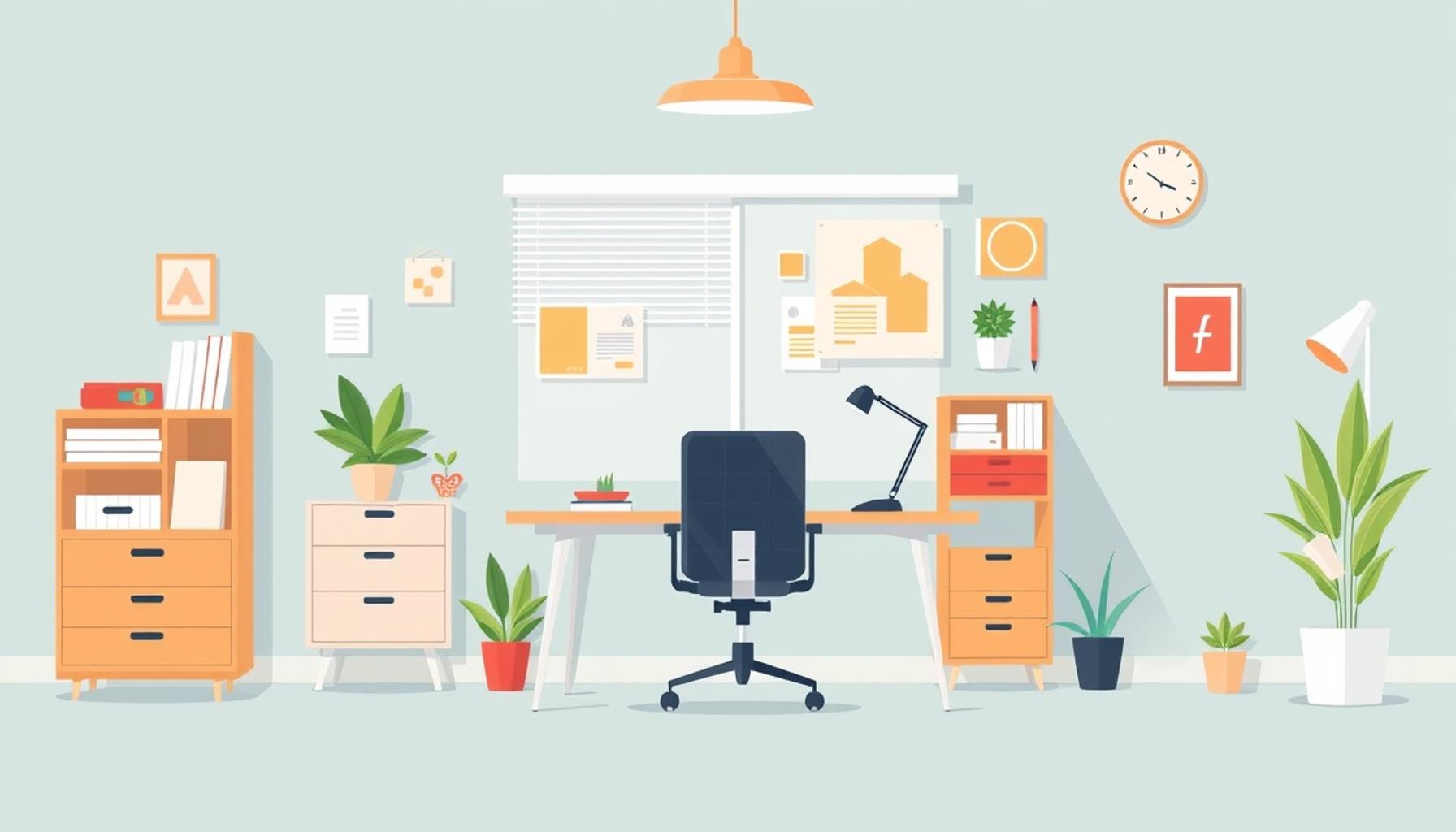
Creating a Productive Minimalist Workspace
In today’s fast-paced world, maintaining focus can be a significant challenge. A cluttered environment often contributes to distraction, diminishing productivity in both personal and professional settings. Enter the concept of minimalist workspaces, where efficiency in design meets functionality.
Understanding the essence of minimalism can transform your workspace into a sanctuary of productivity. Minimalism is not just about having fewer things; it’s about creating an environment that supports your goals and enhances your ability to work effectively. A well-thought-out minimalist workspace paves the way for greater concentration, creativity, and performance.
Here’s what constitutes an effective minimalist workspace:
- Efficient Furniture: Choose multi-functional pieces like a desk with built-in storage. For instance, a sleek desk with drawers allows you to keep your essentials organized while minimizing visual clutter. Brands like IKEA and Herman Miller offer stylish furniture options that can adapt to your needs.
- Decluttered Surfaces: Keep only essential items on your desk—less is more. Consider utilizing trays or organizers for small gadgets and stationery. Removing unnecessary items like old notebooks or unused tech can significantly reduce distractions.
- Neutral Color Palettes: Opt for soothing colors that encourage calm and focus. Shades like white, gray, and soft pastels not only make the space look cleaner but also help to reduce stress and anxiety during work hours.
Research highlights that a tidy and well-organized workspace can enhance concentration and overall work quality. A study by the American Psychological Association found that individuals working in organized spaces report higher satisfaction and productivity levels. The minimalist approach not only promotes a clearer mindset but also allows for increased creativity.
To further explore this innovative workspace design, consider incorporating elements such as:
- Sleek Technology: Utilize wireless devices that eliminate tangles and clutter. Nothing interrupts your flow more than a tangled mess of wires. Choosing wireless keyboards, mice, and printers can maintain an uncluttered look.
- Natural Light: Maximize daylight to foster a refreshing atmosphere. Position your desk near windows or opt for lighter window treatments to allow as much light in as possible. Studies suggest that natural light can significantly improve mood and productivity.
- Indoor Plants: Add greenery to improve air quality and boost mood. Not only do plants enhance aesthetic appeal, but they can also reduce stress levels and create a calming environment. Consider low-maintenance plants like succulents or snake plants for a touch of nature without the hassle.
As you consider these ideas, it’s vital to reflect on how each choice aligns with your personal style and work habits. The balance between aesthetics and functionality is key in creating an effective minimalist workspace. Join us as we delve deeper into the intricacies of creating a minimalist workspace, revealing expert tips on selecting the right furniture and decor to enhance your productivity.
Ultimately, crafting a minimalist workspace is about making intentional choices that foster focus and efficiency. Eliminating distractions allows for clearer thought processes and, in turn, can lead to remarkable creative breakthroughs. Start small, assess your current setup, and gradually make changes that reflect the principles of minimalism—your productivity will thank you.
The Essentials of Minimalist Workspace Design
Creating a successful minimalist workspace hinges on a few fundamental principles that marry aesthetics with practicality. To cultivate an environment conducive to productivity, begin with the furniture that aligns with the minimalist ethos. Investing in efficient furniture is the cornerstone of your design.
When selecting pieces for your workspace, think beyond traditional desks and chairs. Look for multi-functional furniture that can adapt to various activities. For example, a height-adjustable desk not only promotes good posture but enables workers to switch between sitting and standing, enhancing physical comfort and energy levels throughout the workday. This aspect of physical well-being is crucial, as several studies indicate a direct correlation between ergonomic setups and employee productivity.
Incorporating storage solutions is equally essential. Opt for furniture with built-in storage capabilities, such as desks featuring drawers or shelving units that provide space for files and office supplies. This approach aids in maintaining a decluttered workspace, a defining characteristic of minimalism. Without surplus items taking up valuable space, your focus should remain firmly on your tasks at hand.
Another key element is to keep your surfaces clear. A minimalist workspace thrives on simplicity, and this principle stems from a ‘less is more’ mindset. Here are some actionable strategies to achieve this:
- Limit Desktop Items: Only keep essential items on your desk, such as your computer, a few stationery items, and perhaps a personal memento that inspires you.
- Utilize Organizers: Invest in organizers that can neatly house your day-to-day tools. Desk trays or drawer dividers can significantly lessen visual clutter.
- Regularly Assess Your Space: Make it a habit to periodically review your workspace to remove anything that no longer serves a purpose or that you don’t use frequently.
Moving beyond furniture, the choice of color can greatly influence your workspace ambiance. Opting for a neutral color palette instills a sense of calm, fostering better concentration and reducing anxiety, which can often be heightened by overly stimulating environments. Soft whites, grays, and pastel tones create a backdrop that encourages mental clarity and a peaceful working environment.
While furniture and organization play a pivotal role in workspace design, don’t overlook the importance of natural light and connection with nature. Create an inviting atmosphere by maximizing daylight exposure. Position your desk near a window where possible, and choose window treatments that allow for light diffusion rather than complete blockage. Numerous studies have shown that exposure to natural light can enhance mood and reduce fatigue, resulting in improved focus and productivity.
Incorporating indoor plants can also elevate your workspace. They contribute to better air quality, create a lively ambiance, and provide psychological benefits that can positively impact your mental health. Choose low-maintenance plants like pothos or peace lilies, which thrive indoors and can evolve alongside your workspace.
Altogether, establishing a minimalist workspace involves careful thought and deliberate choices about furniture and decor that promote efficiency. The focus should be on creating an environment that eliminates distractions, allowing for enhanced creativity and inspiration. Join us as we explore further ideas and nuances to refine your minimalist workspace for optimal productivity.
Emphasizing Functionality in Furniture Selection
In the journey to craft a minimalist workspace, the choice of furniture plays a pivotal role. Opting for multifunctional furniture allows individuals to make the best use of limited space while ensuring that every item serves a purpose. For instance, a desk with built-in storage can reduce clutter, keeping the workspace tidy and organized. Moreover, consider adjustable standing desks that not only promote better posture but also encourage movement throughout the day, which can enhance productivity.
Incorporating Natural Elements
Bringing in elements of nature can dramatically transform a minimalist workspace. Plants not only improve air quality but also contribute to a serene atmosphere that can boost creativity and reduce stress. Incorporating natural light through unobstructed windows or light-colored decor can create a bright and welcoming environment. Utilize materials like wood or stone in furniture and decor to foster a connection with nature and promote a calming ambiance.
The Impact of Color on Productivity
The color palette of a workspace is critical in influencing mood and productivity. Lighter hues such as whites, soft grays, and pastels can make a space feel larger and more open, while darker tones can create a cozy, intimate atmosphere. Adding strategic pops of color via art or decor items can invigorate the workspace without overwhelming it, maintaining the core minimalist aesthetic while still engaging the senses.
Maximizing Organization with Storage Solutions
Efficient organization is another vital aspect of a minimalist workspace. Utilizing floating shelves, under-desk organizers, and minimalist cabinets can help maintain order without compromising on style. Implementing a systematic approach to storage encourages less clutter and makes it easier to locate essentials, allowing creativity and focus to flourish. Additionally, color-coded organizing systems can provide a visual cue, making it easier to keep track of different tasks or projects.
| Category | Benefits |
|---|---|
| Multifunctional Furniture | Saves space and reduces clutter. |
| Natural Elements | Enhances mood and reduces stress. |
| Color Palette | Influences productivity and creativity. |
| Storage Solutions | Maintains order and easy access to items. |
Inspiring creativity and maximizing productivity through minimalist workspaces is about more than just aesthetics; it’s about creating an intentional environment that facilitates focus and efficiency. By considering the function of every element present and emphasizing the importance of organization and natural influences, individuals can significantly enhance their workspace.
Enhancing Functionality with Smart Technology
In the rapidly evolving world of technology, the integration of smart devices is revolutionizing how we approach minimalist workspaces. Embracing technology that enhances productivity while maintaining minimalism is paramount. Consider implementing tools that not only simplify your tasks but also blend seamlessly into your aesthetic. For instance, a wireless charging station can eliminate cable clutter while ensuring your devices are always powered up.
Smart lighting systems, such as those that adjust automatically based on the time of day or your specific needs, can also elevate your workspace experience. These systems promote well-being by ensuring you have adequate light exposure, which is crucial for maintaining focus during long working hours. By limiting physical switches, you maintain that sleek, uncluttered look typical of minimalist design.
Add-ons like a digital assistant can streamline tasks without the need for additional hardware clutter. Devices such as Amazon Echo or Google Nest can handle reminders, manage schedules, and control smart home devices with voice commands, preserving both efficiency and simplicity.
The Art of Minimalist Decor
Decor plays a conspicuous role in shaping the ambiance of your workspace. When opting for minimalist decor, think about items that inspire creativity or evoke calmness while also being visually appealing. A carefully chosen piece of art, for example, can serve as a focal point that sparks inspiration without overwhelming the senses. Favoring abstract or monochromatic artwork can maintain a cohesive aesthetic and promote meditation, ultimately aiding concentration.
Similarly, wall-mounted shelves can display a rotating selection of meaningful books or collectibles while saving floor space. Choosing a few curated items rather than numerous trinkets emphasizes minimalism and keeps the space looking fresh and inviting.
Strategic Personalization
While the essence of a minimalist workspace is rooted in simplicity, incorporating personal touches can enhance your comfort and satisfaction. However, be mindful not to overdo it. Select personal items that resonate deeply with you — a single framed photo or an inspiring quote can provide motivation without cluttering the space.
Studies show that personalization can significantly enhance one’s connection with work environments, thus increasing productivity. A well-placed inspirational quote on a muted wall or a serene landscape can act as a mental anchor during challenging tasks, driving your focus and creativity.
Mindful Maintenance for Longevity
Finally, maintaining the balance of a minimalist workspace is an ongoing endeavor. Adopt a mindset of mindful maintenance where you regularly assess and curate your environment. A simple ritual at the end of each week to tidy up and evaluate what is truly essential is crucial to keeping your workspace functional. Regularly rotating decor and re-evaluating the necessity of furniture can help maintain its fresh, uncluttered look, ensuring that you continually foster an environment tailored for productivity.
Creating an efficient and productive minimalist workspace requires ongoing attention to detail. By integrating smart technology, artfully selecting decor, and personalizing mindfully, you can craft an environment that not only supports your workflow but also enriches your overall well-being. Continually seek new ways to streamline and improve your workspace, so it evolves alongside you and remains a sanctuary for creativity and productivity.
Conclusion: Embrace the Power of Minimalism
Designing a minimalist workspace is more than just a trend; it is a strategic approach to enhancing productivity, creativity, and overall well-being. By integrating smart technology, you’ll not only reduce clutter but also unlock efficiencies that can propel your daily performance. Choose efficient furniture that complements your workflow, allowing for both comfort and functionality without compromising on style.
Moreover, the careful selection of decor is pivotal in crafting an inspiring atmosphere. Minimalist decor should evoke a sense of calm and foster creativity, urging you to remain focused on your goals. Remember, personalization doesn’t have to lead to clutter; a few well-placed items can spark motivation and create an emotional connection to your workspace.
Importantly, the journey doesn’t end with setup. Embracing a habit of mindful maintenance ensures your workspace reflects your evolving needs and preferences. In a world constantly bombarded with distractions, a well-curated, minimalistic environment becomes a sanctuary for productivity and clarity. Whether you work from home or in an office, these principles can transform your approach to work, leading to greater satisfaction and success.
As you reflect on your workspace, consider how you can adopt these principles of minimalism. Let this be a call to action: take the time to create a space that resonates with both functionality and peace, motivating you to achieve your best work every day.

Beatriz
Beatriz Johnson is a seasoned minimalist and writer with a passion for simplifying the complexities of personal organization and intentional living. With over a decade of experience in decluttering strategies and mindful consumption, she specializes in topics like space optimization, habit simplification, and sustainable lifestyle choices. Through her work on our website, Beatriz empowers readers to embrace minimalism, reduce mental and physical clutter, and create more meaningful, organized lives in today's fast-paced world.