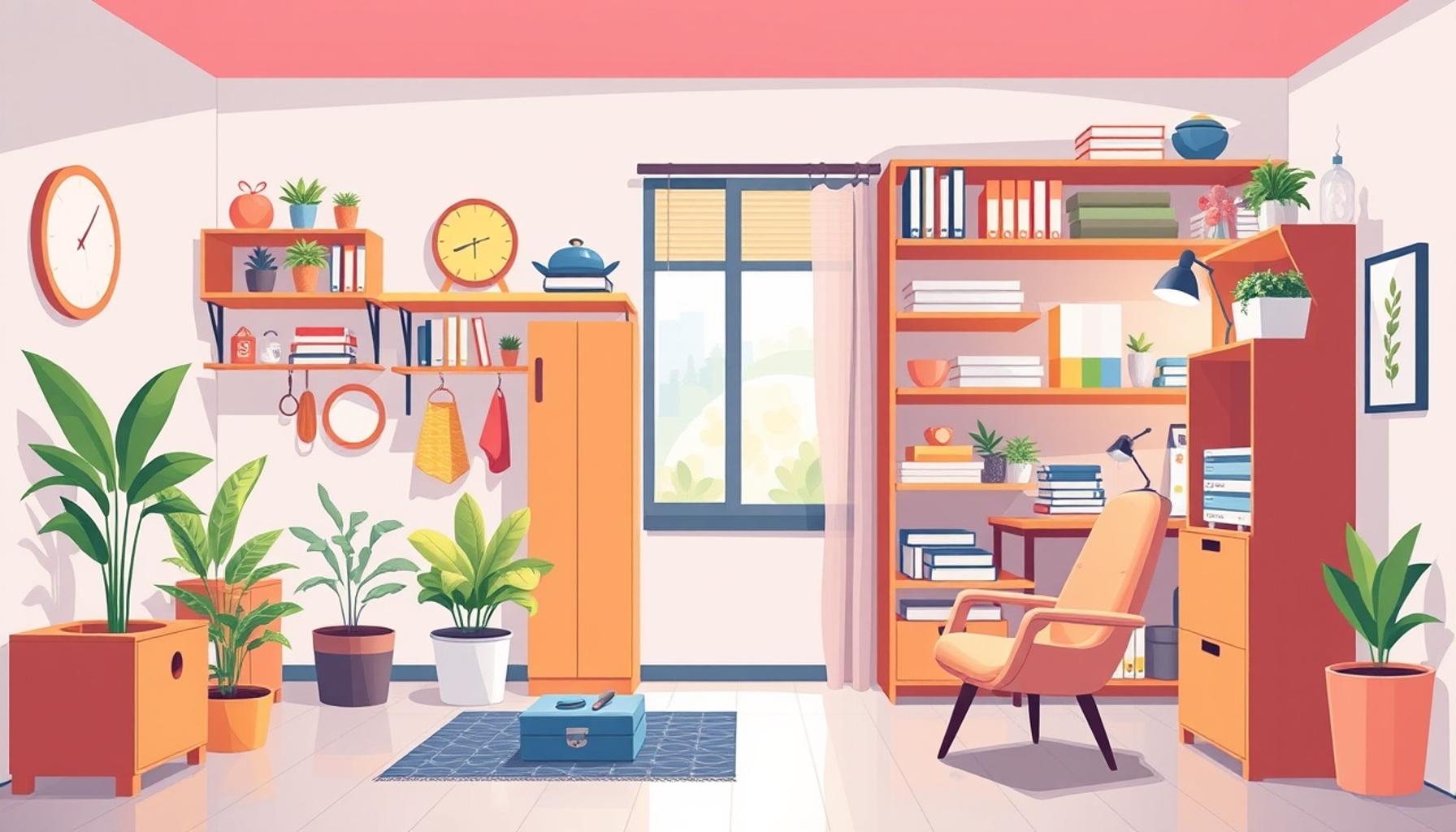
Creating Functional Zones: The Art of Organizing Multiple Spaces with Minimalism

Unlocking Harmony Through Functional Zones
In a time when urban living often means limited square footage, the art of creating functional zones in your home has become an essential strategy for maximizing space and enhancing functionality. This philosophy taps into the principles of minimalism, which encourages you to simplify and declutter, thereby allowing you to not only optimize the layout of your home but also foster a greater appreciation for your environment.
Picture a cozy studio apartment that seamlessly transitions from a work area into an entertainment space, where each zone is not only designated but harmoniously adapted to your daily routine. The execution of functional zones can dramatically improve the way you engage with your home. Here are some key elements to consider:
- Defined Areas: Consider using area rugs or furniture arrangement to visually separate zones. A home office might be marked by a stylish desk and ergonomic chair, while adjacent to it, a comfy nook with cushions invites relaxation. This clarity helps mitigate distractions when working from home.
- Versatile Furniture: Investing in multifunctional items can free up crucial floor space. For example, a sofa bed allows you to host guests without needing a dedicated spare room, while a drop-leaf table can transform from an intimate dining setup to a sprawling workspace in moments.
- Decluttered Surfaces: An organized living environment fosters clarity and calm. Use attractive storage solutions, like decorative baskets or minimalist shelving, to keep surfaces tidy. This intentional reduction of visible items enhances both aesthetics and mental clarity.
By understanding how to strategically allocate areas within your environment, you can experience a boost in productivity and overall well-being. Whether you live in a bustling city or a tranquil suburb, the principles of functional zoning can be adapted to fit your unique lifestyle needs.
Dive deeper into the world of innovative strategies and uncover expert tips on how to optimize your spaces under the framework of minimalism. Each functional zone you create serves not only to organize but also to elevate your lifestyle, fostering an atmosphere of peace and balance in your home.
Embarking on this journey will not only revolutionize your approach to home organization but can also lead to a profound understanding of how intentional design promotes a harmonious living space. Embrace these transformative ideas to craft a home that truly reflects your values and lifestyle.
Mastering the Spaces: Key Strategies for Functional Zone Creation
Creating functional zones in your home is not merely about placing furniture in designated areas; it’s an intentional practice that can transform how you interact with your living space. This approach emphasizes purpose and mindfulness, allowing each section of your home to serve a distinct function while maintaining an overall aesthetic unity. Here are some crucial strategies to effectively establish these functional zones:
- Understand Your Daily Activities: Begin by analyzing your routines before deciding how to organize your spaces. Do you work from home, host frequent gatherings, or enjoy quiet reading time? By understanding your daily activities, you can better allocate areas for each purpose. For instance, if you often have friends over, designating a welcoming social area that transitions easily from work to leisure can be important.
- Flexible Layouts: Embrace the power of adaptability. A flexible layout allows you to reconfigure your space as needed, accommodating different functions on various occasions. Use lightweight furniture that you can easily move, or opt for modular pieces that can serve multiple needs. A coffee table that doubles as a workspace or an accent chair that can be pulled into a group seating arrangement can significantly enhance the functionality of your home.
- Light Zones: Take full advantage of natural and artificial lighting to define your functional zones. Bright lighting can energize a workspace, while soft lighting often lends warmth to relaxation or social areas. Identify how light moves through your space during the day and arrange your zones accordingly, positioning work areas near windows for optimal visibility and comfort.
- Incorporate Nature: Introducing plants or natural materials into your functional zones can create a nurturing environment. Elements from nature have been shown to boost mood and productivity. For example, a small indoor garden can enhance a workspace while also offering a serene spot for contemplation in a reading nook.
As you embark on this journey toward effectively creating functional zones, remember that it’s essential to balance aesthetics with functionality. The goal is to establish a home that resonates with your personal style while facilitating a seamless flow between activities. Each functional zone should contribute to a sense of peace, encouraging you to embrace minimalism in form and function.
Through this thoughtful arrangement, you can achieve not just an organized space, but a harmonious and enriching living environment. In doing so, you’ll unlock not only practical benefits but also a deeper connection to your home.
| Category | Key Features |
|---|---|
| Space Division | Creating distinct areas for work, relaxation, and dining enhances functionality. |
| Simplicity | Minimalist designs reduce clutter, offering a calming environment. |
When employing the concept of Creating Functional Zones, it becomes evident that the layout of urban living spaces profoundly affects our daily routines. By dividing areas into specific functions, we not only maximize our space but also improve our productivity. For instance, a clear separation between a workspace and a relaxation area helps maintain mental boundaries, which is particularly crucial for remote workers.The principle of minimalism plays a vital role in this organization strategy. Emphasizing simplicity in design means fewer distractions and a more peaceful atmosphere. Each item within these zones is purpose-driven, which can significantly affect the ambiance. Furthermore, this approach encourages a mindful relationship with possessions, prompting individuals to keep only what truly serves a function or adds value to their lives.By implementing such a structured yet breezy layout, you’re not just rearranging furniture; you’re liveliness optimizing your interactions within your space. This strategic organization in interior design can lead to profound improvements in overall well-being, as it nurtures both function and aesthetics seamlessly. As you explore further, consider how transforming your living areas can create a more harmonious lifestyle.
Crafting Balance: Tips for Seamless Integration Between Functional Zones
As you delve deeper into the realm of minimalism and functional zones, understanding how to create a harmonious balance among different areas in your home becomes crucial. An artful integration not only enhances the overall aesthetic but also fosters an environment where each zone complements the other, enhancing daily life with cohesion and simplicity. Here are key tactics to help you achieve that delicate balance:
- Color Coordination: A consistent color palette can tie various zones together, creating a seamless transition from one space to another. Utilizing a few core colors throughout your home, particularly in furniture and decor, allows each functional zone to feel interconnected. For example, painting adjacent walls in complementary hues or using similar textiles can unify the separate areas while maintaining distinct purposes.
- Defined Boundaries: While open layouts are popular in contemporary homes, it’s essential to still define the separations between your functional zones. You can achieve this by using area rugs to delineate spaces, or furniture arrangements that guide movement and visually segment areas. This approach helps to reinforce the purpose of each zone while encouraging the flow between them.
- Consistent Materials: The use of similar materials across different functional zones can also create a cohesive look and feel. For instance, if you have wooden elements in your workspace, incorporating wooden shelves in the adjacent reading nook can make the two spaces blend more effortlessly. This consistent use of materials not only reinforces a minimalist aesthetic but also adds depth to the design.
- Multi-Functional Furniture: Incorporating furniture that serves multiple purposes can help alleviate the clutter that often arises in multifunctional spaces. Pieces like an ottoman that doubles as storage or a dining table that can also serve as a workspace provide impressive flexibility. This way, each zone can adapt to your activities, keeping your environment organized and aesthetically appealing.
While enhancing the aesthetic of each zone is important, consider the emotional tone you want to instill in your home. Sound Control is an often-overlooked aspect of creating functional zones. Using soft furnishings, such as drapes and cushions, can absorb sound, making each area feel more intimate and conducive to its designated purpose. In a workspace, you may want a productive atmosphere; in a relaxation area, comfort should be the priority. Think about how you design each zone to reflect the mood you wish to cultivate.
The arrangement of items within each zone can impact its functionality as well. Keeping surfaces clear and limiting decorative items ensures that essential aspects of each area remain accessible. Utilize vertical space with shelving to minimize clutter and encourage an appealing, minimalist look. This not only creates the sense of space but also contributes to an organized appearance across the home.
Smart Technology Integration can elevate your functional zones. Smart lighting, for instance, allows you to tailor the ambiance of your areas based on your activities, whether it’s brightening up a workspace for focus or dimming down for tranquility in the living room. Leveraging technology in this way underscores the blend of functionality and minimalism.
By employing these strategies, you can carefully cultivate a well-structured home where each functional zone exists purposefully, contributing to an overall sense of peace and efficiency. The hand in hand of design and intention will lead to a living environment that reflects your lifestyle while embracing the principles of minimalism.
Final Thoughts on Embracing Minimalism in Functional Zones
In a fast-paced world where distractions abound, the concept of creating functional zones using minimalism stands as a beacon of clarity and purpose. By adopting a minimalist approach, you invite simplicity into your life, allowing each area in your home to serve a distinct purpose while fostering an environment of peace and harmony. As we’ve explored, essential strategies such as color coordination, defined boundaries, and multi-functional furniture not only enhance the visual appeal of your living space but also contribute to its overall functionality.
Moreover, understanding the emotional aspect of design—such as sound control and the mood each zone evokes—can significantly impact your daily experience within those spaces. By making intentional choices about layout, materials, and furnishings, you harmonize your environment with your lifestyle, creating an atmosphere conducive to both productivity and relaxation. As you integrate smart technology into your design, you further refine the intersection of functionality and modern aesthetics, transforming your home into a sanctuary of efficiency.
Ultimately, the journey of creating functional zones through minimalism is about more than just aesthetics; it’s about crafting a living space that resonates with your values and needs. So take the plunge—declutter, define, and discover the art of organizing your home into peaceful enclaves. In doing so, you not only optimize your living space; you cultivate an oasis that inspires and rejuvenates, leading to a more intentional and fulfilled life.

Beatriz
Beatriz Johnson is a seasoned minimalist and writer with a passion for simplifying the complexities of personal organization and intentional living. With over a decade of experience in decluttering strategies and mindful consumption, she specializes in topics like space optimization, habit simplification, and sustainable lifestyle choices. Through her work on our website, Beatriz empowers readers to embrace minimalism, reduce mental and physical clutter, and create more meaningful, organized lives in today's fast-paced world.